
















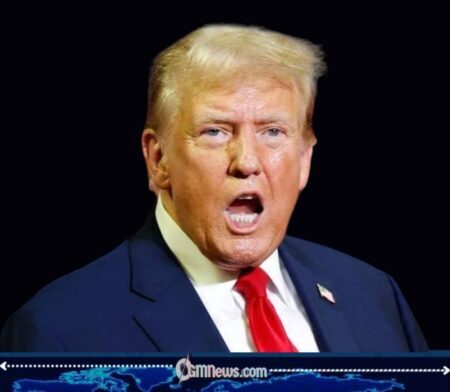
Underwater numbers are suddenly casting a shadow over President Donald Trump’s political image after a new survey indicated his favorability in Texas has dropped by 19 points below positive territory. The polling result has sent shockwaves through political circles because Texas has long been considered one of Trump’s strongest bases of support. For years, the state symbolized Republican stability and conservative loyalty, making the latest figures appear almost unthinkable to many supporters. While polls can fluctuate depending on timing and methodology, the sharp decline has triggered intense debate over whether the president is facing deeper political fatigue among voters who once backed him enthusiastically.
The findings arrive during a tense national climate shaped by economic anxiety, immigration disputes, and fierce cultural battles dominating American politics. Critics of the administration quickly seized on the numbers as evidence that public frustration may be spreading even into Republican strongholds. Trump allies, however, argue that polling organizations have repeatedly underestimated the president’s support in the past and insist his influence over conservative voters remains unmatched. Nevertheless, the survey has revived concerns inside Republican circles about whether prolonged political polarization is beginning to erode support in key suburban regions across Texas.
Underwater Signals Emerging Inside Trump’s Texas Base
Underwater reactions intensified online shortly after the poll surfaced, with political commentators describing the numbers as a warning sign for Republicans preparing for upcoming national races. Some analysts pointed toward suburban voters around Dallas, Houston, Austin, and San Antonio as increasingly important political battlegrounds. These areas have experienced major population growth, shifting demographics, and rising dissatisfaction over issues such as inflation, healthcare affordability, and housing costs. While rural Texas remains strongly conservative, strategists fear suburban frustration could reshape future elections in ways that were once considered unlikely.
Republican operatives reportedly remain divided over how seriously to interpret the findings. Some insist temporary dissatisfaction does not necessarily translate into abandoned voter loyalty, especially given Trump’s continued dominance within conservative grassroots movements. Others privately acknowledge that repeated controversies, legal battles, and relentless political conflict may be exhausting moderate voters who previously tolerated Trump’s aggressive style because of economic confidence during earlier years of his presidency. The latest polling has therefore become more than a statistical story; it is now a broader conversation about whether political branding alone can sustain long-term public enthusiasm.
Texas Political Shifts Raise Wider National Questions
Texas has gradually become one of the most closely watched states in modern American politics due to rapid urban expansion and changing voter demographics. Although Republicans continue to hold statewide power, recent elections have shown narrower margins in several regions once considered safely conservative. Political researchers have noted growing participation among younger voters, minorities, and college-educated suburban residents who increasingly prioritize economic stability and institutional calm over combative political rhetoric. Those trends have fueled speculation that the state could become far more competitive over the next decade.
At the same time, Trump continues to maintain powerful influence among Republican primary voters nationwide, making it difficult for party officials to distance themselves from his leadership style even during periods of declining favorability. Supporters argue that border security concerns and dissatisfaction with progressive policies could quickly restore Trump’s standing in Texas despite the current polling setback. Critics counter that economic uncertainty and voter exhaustion may continue weakening public confidence regardless of partisan loyalty. The political reality likely sits somewhere between both arguments, leaving analysts watching carefully for whether future surveys confirm or contradict the current trend.
For now, the Underwater narrative has become impossible for political observers to ignore. Whether the poll represents a temporary fluctuation or the early signs of a deeper political shift, it has already succeeded in shaking assumptions about the strength of Trump’s support inside one of America’s most symbolically important Republican states. OGM News will continue monitoring voter sentiment, campaign reactions, and emerging polling data as the political temperature surrounding Texas grows even hotter.



https://shorturl.fm/XPOeg