




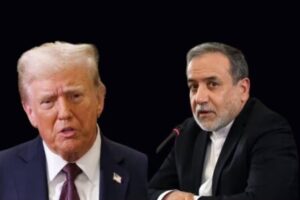























Shockwave rippled through global financial markets after oil prices surged more than 4 percent following President Donald J. Trump’s declaration that Iran’s latest response to a US proposal was “unacceptable.” The sudden spike reignited fears of a prolonged disruption in Middle Eastern oil transit routes, particularly around the Strait of Hormuz, where tensions linked to the ongoing 10-week conflict continue to unsettle global energy supplies. Investors who only days earlier celebrated hopes of a diplomatic breakthrough quickly reversed course as energy markets returned to crisis mode.
Brent crude futures climbed by $4.16 to reach $105.45 per barrel, while US West Texas Intermediate rose by $4.38 to nearly $100 per barrel. The sharp increases reflected growing market anxiety over the possibility that regional instability could persist longer than anticipated, placing additional pressure on fuel prices and inflation worldwide. Analysts noted that even rumors surrounding negotiations have recently been enough to trigger dramatic market swings, highlighting how fragile confidence remains.
Diplomatic Breakdown Fuels Shockwave Across Energy Markets
The latest surge comes after a volatile week in which oil markets initially moved downward on expectations that tensions between Washington and Tehran could ease. Both Brent and WTI crude contracts had recorded losses of roughly 6 percent amid speculation that diplomatic progress might reopen safer transit through the Strait of Hormuz, a critical artery responsible for a significant portion of the world’s oil shipments.
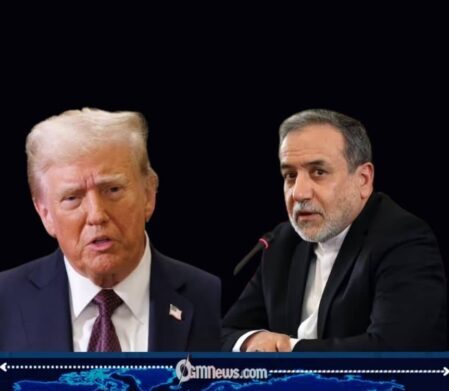
That optimism faded rapidly once President Trump publicly dismissed Iran’s response, signaling that negotiations may be entering another difficult phase. Traders responded almost immediately, fearing that any prolonged deadlock could further limit tanker movement through the region. Shipping companies and insurers have reportedly remained cautious about operations near the Strait, where commercial traffic has already slowed considerably due to security concerns and escalating military posturing.
Shockwave: Global Markets Brace for Economic Fallout
Beyond the immediate jump in crude prices, economists warn that continued instability could affect industries far removed from the oil sector itself. Rising fuel costs often translate into higher transportation expenses, increased manufacturing costs, and additional inflationary pressure on consumers already struggling with elevated living expenses in many parts of the world.
Shockwave concerns have also extended into financial markets, where investors fear prolonged geopolitical instability may disrupt broader global trade flows. Energy-importing nations across Europe, Asia, and Africa are particularly vulnerable to sustained price increases, especially if the Strait of Hormuz remains heavily restricted. Some market observers argue that the world economy has become dangerously sensitive to geopolitical headlines, where a single diplomatic statement can erase billions from markets or send commodity prices soaring within hours.
There is also growing debate over whether oil traders have become trapped in a cycle of emotional speculation, reacting aggressively to every diplomatic signal regardless of whether concrete policy changes follow. Social media users responded with humor to the latest developments, joking that fuel stations may soon begin offering “family therapy discounts” for stressed motorists. Yet beneath the online satire lies genuine concern that another prolonged energy crisis could deepen economic uncertainty globally.
As negotiations remain uncertain, markets are expected to remain highly volatile in the coming days. OGM News understands that traders, governments, and consumers alike are now watching every development around the Strait of Hormuz with renewed intensity. For now, Shockwave remains the defining mood across global energy markets as fears grow that diplomacy may once again be losing ground to confrontation.


https://shorturl.fm/XPOeg