













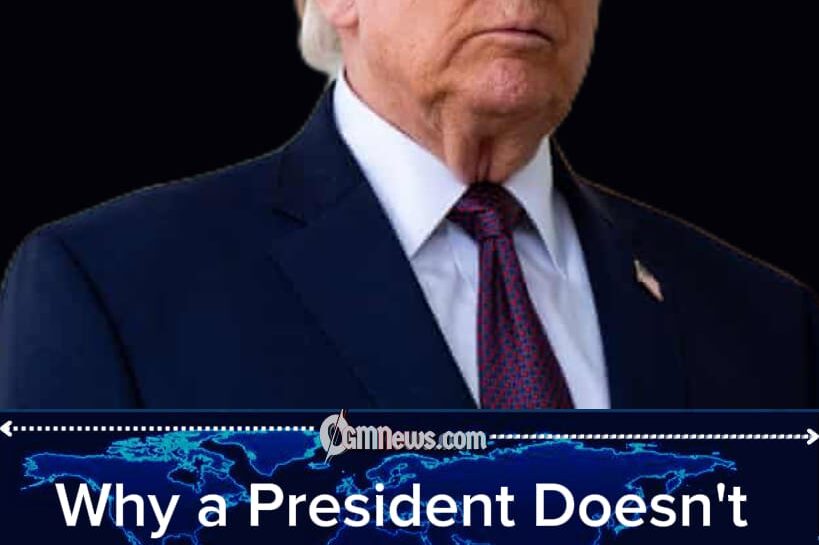





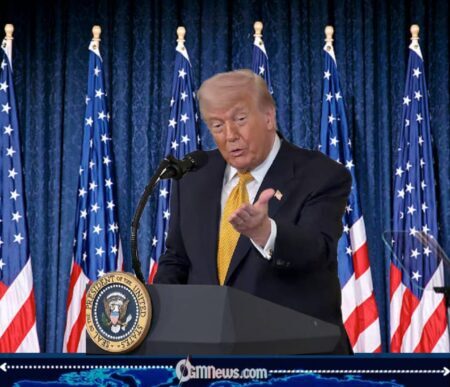
Patriotism returned to the center of American political messaging after President Donald Trump issued a proclamation declaring Friday as Military Spouse Appreciation Day, connecting the observance directly to the approaching 250th anniversary of the founding of the United States. The announcement, presented with ceremonial praise and national symbolism, immediately stirred both admiration and criticism online, as Americans debated whether the recognition represented heartfelt gratitude or carefully timed political branding ahead of a historic national celebration.
The proclamation praised military spouses for enduring long separations, repeated relocations, emotional pressure, and the invisible burdens tied to military service. Trump described them as essential pillars supporting America’s armed forces, arguing that national strength depends not only on soldiers in uniform but also on the families sustaining them behind closed doors. The declaration arrives as the White House intensifies preparations for large-scale events marking America’s 250th anniversary in 2026.
Patriotism: Military Families at the Heart of National Celebration
Day has existed for decades, originally established during the administration of President Ronald Reagan to recognize the sacrifices made by husbands and wives of service members. However, this year’s proclamation carried a stronger political and symbolic tone by linking the observance to the broader patriotic campaign surrounding America’s semi-quincentennial celebration. The White House emphasized unity, sacrifice, and loyalty as defining American values expected to shape upcoming national events.
In one paragraph of the proclamation, Patriotism was framed as more than public flag displays or political speeches. The administration argued that military spouses embody national commitment through resilience during deployments, constant transitions between bases, and the emotional strain of uncertainty tied to military operations. Online reactions quickly followed, with many military families sharing stories about missed anniversaries, interrupted careers, and children growing up with one parent frequently absent due to active duty assignments.
Patriotism: Growing Questions Beyond Symbolic Recognition
Recent reports from military advocacy organizations and defense-related policy groups have highlighted increasing pressures facing military households across the United States. Studies have pointed to rising housing costs near military bases, difficulties maintaining stable employment after relocations, and growing mental health concerns linked to repeated deployments and family separation. While public appreciation campaigns generate visibility, critics argue that long-term institutional support remains inconsistent.
Some analysts believe the proclamation also fits into a wider White House strategy aimed at reinforcing national identity ahead of the country’s 250th anniversary. Over recent months, administration officials have repeatedly emphasized military history, traditional ceremonies, and patriotic observances as central themes leading into the 2026 celebrations. Supporters view the approach as a unifying effort during a politically divided period, while opponents warn that patriotic symbolism can sometimes overshadow unresolved issues affecting veterans and military families.
As preparations for America’s landmark anniversary continue, the conversation surrounding military spouses may extend far beyond ceremonial appreciation days. For many families connected to the armed forces, recognition is welcomed, but expectations are rising for meaningful improvements in housing, healthcare access, childcare assistance, and career opportunities. OGM News understands that future discussions around Patriotism may increasingly focus not only on honoring sacrifice, but also on whether national gratitude is matched by tangible support behind the applause.

https://shorturl.fm/XPOeg