



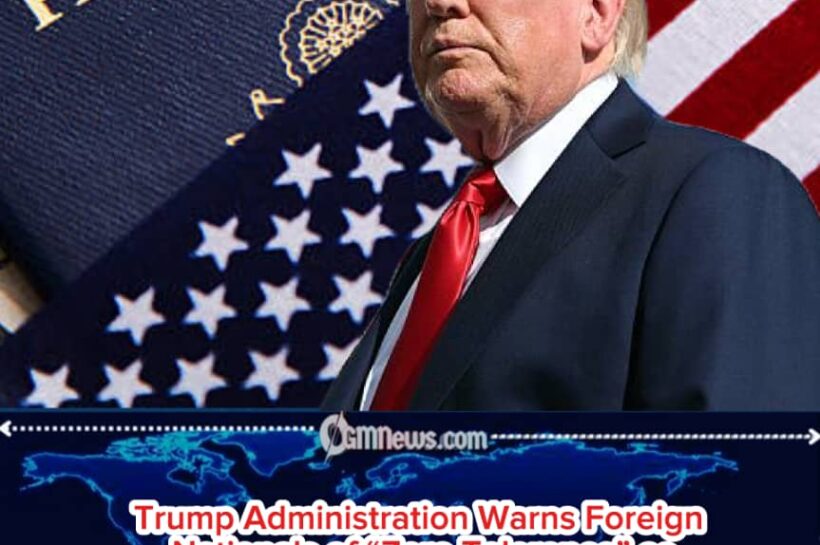
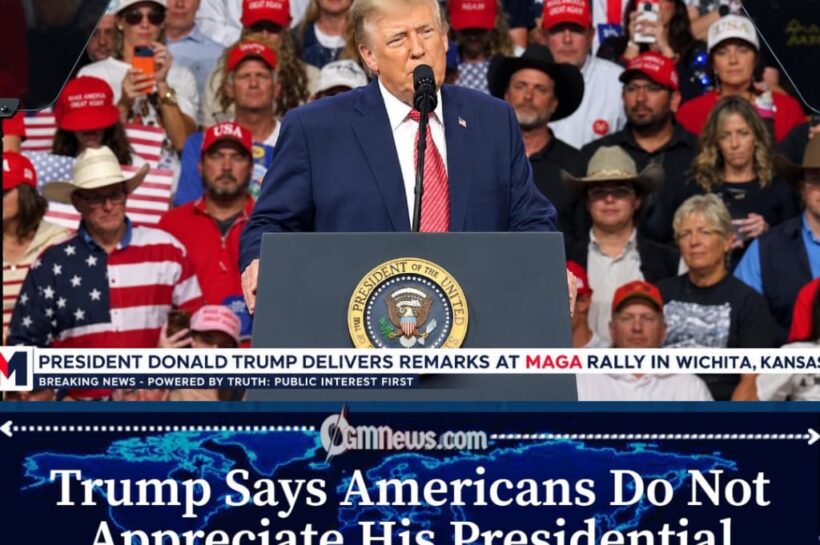



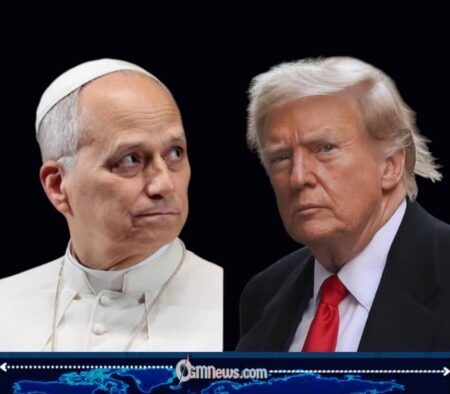
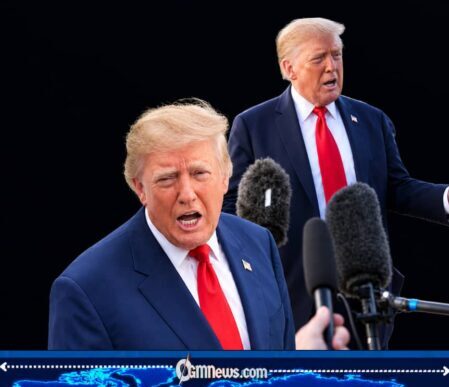
U.S. President Donald Trump, currently serving a second term, has intensified his criticism of Pope Leo XIV, accusing the pontiff of “endangering a lot of Catholics” over his stance on Iran. The remarks, delivered in a media interview, highlight a widening divide between Washington and the Vatican on issues of war, diplomacy, and global security.
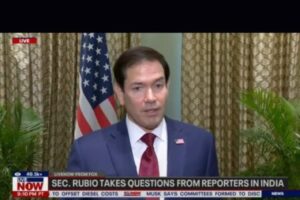
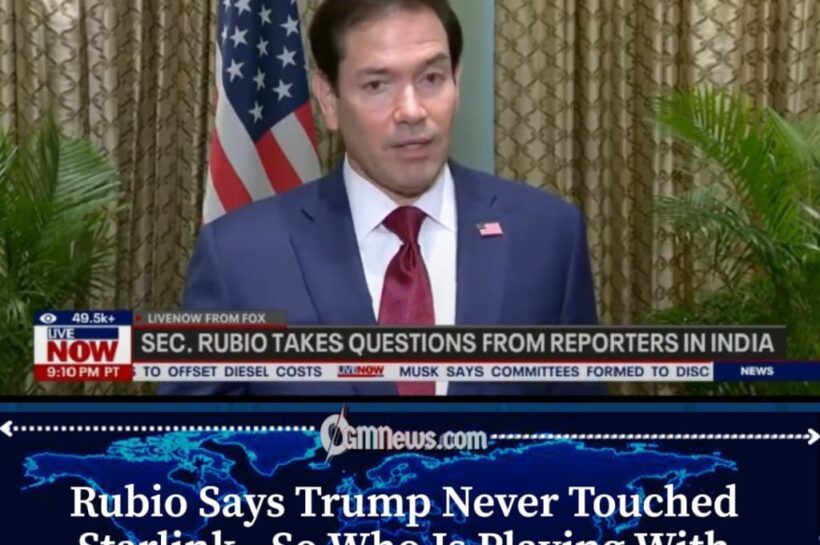
The dispute comes at a sensitive moment in international relations, with tensions in the Middle East continuing to shape global policy discussions. It also precedes a planned high-level meeting between U.S. Secretary of State Marco Rubio and the pope, which is expected to address areas of disagreement and explore potential common ground.
Trump’s Position: Security Concerns and Strong Language
President Donald Trump framed his criticism around national and global security concerns, suggesting that the pope’s views on Iran could have serious consequences. He argued that positions perceived as lenient toward Iran risk undermining efforts to prevent the spread of nuclear weapons and protect international stability.
The president’s remarks reflect a broader approach that emphasizes deterrence and a willingness to use strong language to signal resolve. By directly addressing the pope’s stance, President Donald Trump has elevated what might typically remain a diplomatic disagreement into a more public and politically charged exchange.
Supporters of the administration argue that such statements reinforce a clear and uncompromising position on security threats, while critics warn that the tone may complicate diplomatic engagement.
Vatican Response: Emphasis on Peace and Diplomacy
The Vatican has consistently framed its position on global conflicts, including tensions involving Iran, in terms of peacebuilding and diplomatic resolution. Pope Leo XIV has called for restraint, dialogue, and efforts to avoid escalation, aligning with longstanding principles of the Catholic Church.
Officials close to the Vatican have indicated that the pope’s views are rooted in humanitarian concerns and the desire to prevent further loss of life. They stress that advocating for diplomacy does not equate to supporting any nation’s pursuit of nuclear weapons.
This perspective underscores a fundamental difference in approach, with the Vatican prioritizing moral guidance and conflict prevention over strategic or military considerations.
Rubio’s Upcoming Meeting: A “Frank” Dialogue Expected
The planned meeting between Marco Rubio and Pope Leo XIV is expected to serve as a platform for candid discussion. According to diplomatic sources, the talks will likely address key issues including the Iran conflict, regional stability, and the role of international institutions.
Such meetings between senior U.S. officials and the pope are relatively infrequent, making this engagement particularly significant. The description of the dialogue as “frank” suggests that both sides are prepared to openly address their differences while maintaining a commitment to diplomatic engagement.
Observers note that the outcome of the meeting could influence not only bilateral relations but also broader international efforts to manage ongoing conflicts.
A Widening U.S.–Vatican Divide
The current dispute reflects a broader divergence between the United States and the Vatican on several global issues. Differences have emerged over military interventions, humanitarian priorities, and the balance between security and diplomacy.
While past disagreements between political leaders and the Holy See have often been handled quietly, the present exchange has taken on a more public dimension. This shift highlights the increasing visibility of the Vatican’s role in global affairs and its willingness to engage directly on contentious topics.
The situation also illustrates how moral and political perspectives can intersect, sometimes leading to tension even among longstanding partners.
Domestic and Global Implications
The clash between President Donald Trump and Pope Leo XIV carries implications beyond international diplomacy. Within the United States, it has sparked discussion among Catholic communities and political observers about the intersection of faith and policy.
Globally, the disagreement highlights differing approaches to conflict resolution at a time when coordination among major actors is critical. The contrast between a security-focused strategy and a diplomacy-centered approach reflects broader debates within the international community.
As tensions persist, the ability of leaders to navigate these differences while maintaining constructive dialogue will be closely watched.
Balancing Diplomacy and Security in a Complex Landscape
President Donald Trump’s criticism of Pope Leo XIV underscores the challenges of reconciling differing perspectives on global security and diplomacy. While the United States emphasizes deterrence and strategic strength, the Vatican continues to advocate for dialogue and peaceful resolution.
The upcoming meeting between Marco Rubio and the pope represents an opportunity to bridge these differences, even if only partially. In an increasingly complex geopolitical environment, the ability to balance competing priorities will remain essential to maintaining stability and fostering cooperation.

Logging in is a breeze and the site stability is amazing even during peak hours....