


























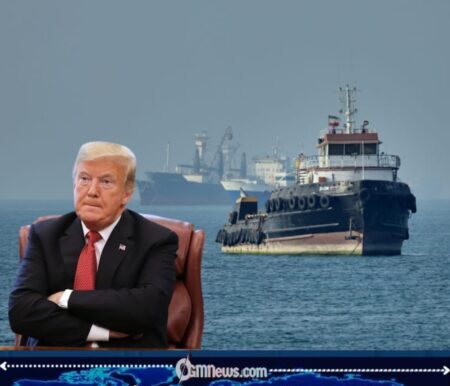
United States has been accused by Iran of striking two civilian vessels in the Strait of Hormuz, with Iranian sources claiming that the incident resulted in the deaths of five people and heightened tensions in an already volatile region. The allegation directly contrasts with U.S. accounts, which maintain that military operations in the area were aimed at neutralizing perceived threats to maritime security rather than targeting civilian assets.
The claim emerges amid an ongoing confrontation in the strategic waterway, where both sides have issued conflicting narratives regarding recent military engagements. While Iran asserts that the vessels were civilian cargo boats transporting goods and passengers, U.S. officials have indicated that operations were conducted against boats believed to pose a risk to shipping lanes.
United States now faces intensified scrutiny over its actions in the Strait of Hormuz, a critical global shipping route where even isolated incidents can have significant implications for international trade and regional stability.
ESCALATING TENSIONS IN A STRATEGIC WATERWAY
United States operations in the Strait of Hormuz are part of a broader effort to maintain navigational security in one of the world’s most important maritime corridors, through which a substantial portion of global oil supply passes.
The narrow passage has become a focal point of geopolitical tension, with both military presence and commercial shipping activity increasing the risk of confrontation.
United States involvement in escorting or guiding vessels has been framed as a protective measure, though it has also drawn criticism from opposing actors who view it as an escalation.
US AND CONFLICTING NARRATIVES
United States officials have stated that their forces targeted vessels they believed were linked to hostile activity, emphasizing that operations were conducted to ensure safe passage for commercial shipping.
United States accounts differ sharply from Iranian claims, illustrating the challenge of verifying events in a high-conflict environment where information is often contested and politically charged.
United States responses highlight the broader issue of how military actions are interpreted differently depending on perspective, especially in contested regions.
INTERNATIONAL CONCERN AND GLOBAL IMPLICATIONS
United States actions in the Strait of Hormuz have drawn attention from international observers, who are closely monitoring developments due to the potential impact on global energy markets and trade routes.
The possibility of civilian casualties has heightened concern, as such incidents can influence diplomatic relations and increase pressure for accountability and transparency.
United States involvement in the region continues to shape the global conversation about security, sovereignty, and the risks associated with military operations near civilian infrastructure.
UNITED STATES AND DIPLOMATIC PRESSURE
United States is likely to face increased diplomatic pressure as international actors call for clarification regarding the incident and its circumstances.
US engagement in ongoing negotiations or ceasefire arrangements may be affected by such allegations, particularly if they are perceived as violations of agreed terms.
United States position will be critical in determining whether the situation moves toward de-escalation or further confrontation.
FUTURE OUTLOOK FOR REGIONAL STABILITY
The situation in the Strait of Hormuz remains highly uncertain, with both sides maintaining firm positions and the potential for further incidents remaining significant.
Observers suggest that avoiding escalation will require careful communication, verification of claims, and renewed diplomatic engagement among all parties involved.
As developments continue, the interplay between military operations, political narratives, and economic interests will shape the trajectory of the region in the coming weeks.


[…] […]