
























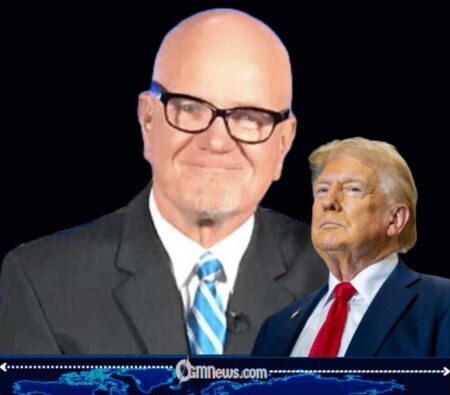
Political commentator Chip Franklin has drawn widespread attention following a series of remarks concerning the personal life and public controversies surrounding the current U.S. President Donald Trump, who is serving a second term in office. Franklin’s comments, which circulated widely on social media, focused on Trump’s relationships with women and referenced several high-profile and disputed episodes from his personal and political history.
While the statements have not been independently verified and remain part of public commentary, they have reignited discussions about the intersection of personal conduct, political leadership, and public perception in American politics.
Chip Franklin’s Commentary and the Nature of the Claims
Chip Franklin, known for his outspoken political commentary, made the remarks during a media discussion that quickly gained traction online. In his statement, he described what he characterized as unusual patterns in the U.S. President’s personal relationships.
Chip Franklin suggested that President Trump’s interactions with women have often been defined by control and imbalance of power. These assertions were presented as personal opinion and reflect the commentator’s critical stance rather than established legal findings.
The remarks have since been shared widely, prompting both support and criticism from different political audiences.
Claims Concerning Relationships and Public Allegations
A central part of Chip Franklin’s commentary focused on Trump’s relationships with women, which he described as “controlled” or “unusual” in nature. These claims, however, are not supported by formal legal conclusions and remain part of broader political discourse and opinion-based commentary.
Observers note that such statements often emerge in polarized political environments, where public figures become subjects of intense scrutiny and interpretation. Supporters of the president have dismissed the remarks as politically motivated, while critics view them as reflective of long-standing concerns raised in public debates. The discussion continues to highlight how personal narratives can become intertwined with political identity.
References to Epstein Association Allegations
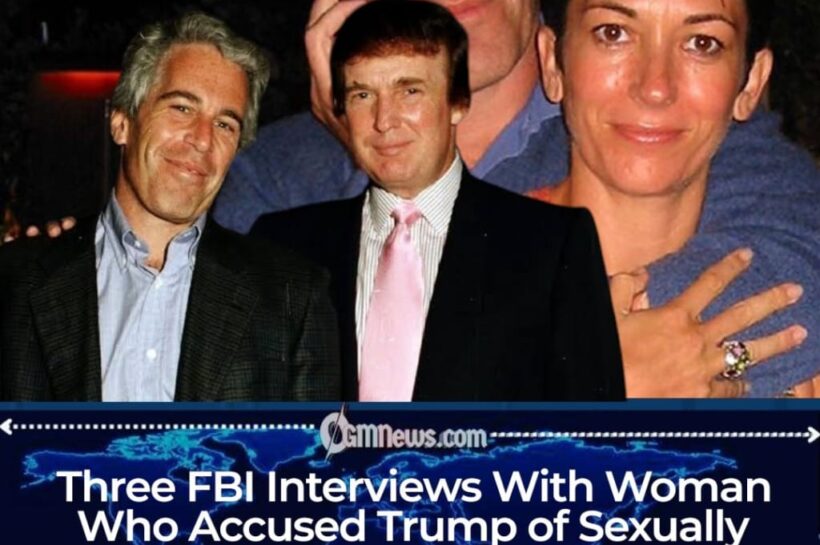
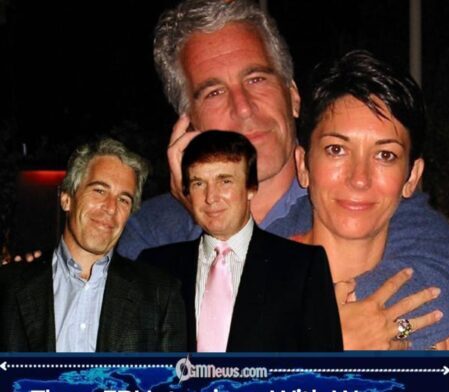
Chip Franklin’s comments also alluded to the widely discussed and controversial associations involving the late financier Jeffrey Epstein. These references, while not new in public discourse, remain highly sensitive and have been the subject of multiple media reports and legal investigations over the years.
No direct legal conclusion has established wrongdoing by President Trump in relation to Epstein beyond what has been publicly documented in past civil and investigative records. Nevertheless, such references frequently resurface in political commentary, often fueling renewed debate.
Analysts note that these associations continue to shape public perception, even in the absence of new verified developments.
Stormy Daniels Case and Ongoing Political Memory
The commentator further referenced the widely publicized Stormy Daniels case, which involved legal disputes and allegations concerning a past relationship and payments made prior to Trump’s presidency. The matter resulted in extensive legal proceedings and media coverage.
As President Trump continues his second term in office, such controversies remain part of the broader political narrative surrounding his leadership. While some view the case as resolved within legal frameworks, others continue to cite it as evidence in ongoing political criticism.
The issue remains one of the most frequently referenced episodes in discussions about Trump’s personal and political history.
Controversial Golf Course Burial Claim and Public Reaction
Among the most contentious parts of Franklin’s remarks was a claim referencing Trump’s family burial arrangements and alleged tax-related motivations tied to property usage. This assertion has circulated in online commentary but lacks verification from credible legal or governmental sources.
The claim has been met with strong skepticism, with critics labeling it as exaggerated or misleading, while supporters argue it represents an unfair interpretation of unrelated estate and tax matters.
Public reaction to Franklin’s overall comments has been sharply divided, reflecting broader political polarization in discussions about the U.S. President.
Growing Debate Over Political Commentary and Public Perception
The remarks by Chip Franklin have once again highlighted the intensity of political commentary surrounding President Donald Trump’s second term in office. While the statements remain opinion-based and unverified, they have contributed to ongoing debates about media responsibility, political rhetoric, and the boundaries of public criticism.
As discussions continue, analysts suggest that such commentary will likely remain a feature of the broader political landscape, especially in a highly polarized environment.
[…] […]