




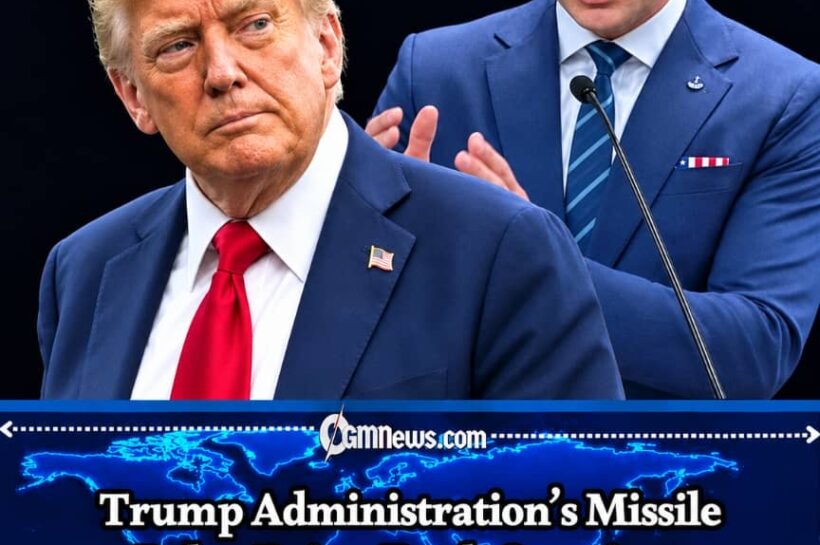



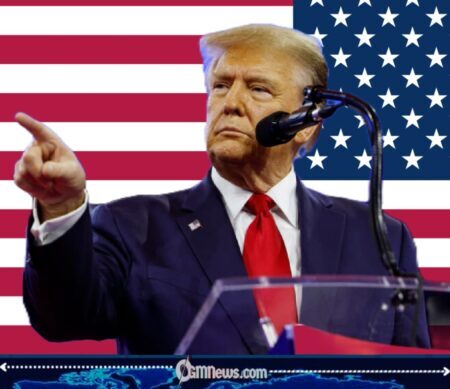
Donald Trump has sparked renewed global attention following remarks suggesting that “Cuba is next” after ongoing tensions involving Iran. In the same breath, Trump referenced the possible deployment of the USS Abraham Lincoln, framing it as a show of U.S. strength capable of compelling outcomes abroad.
Although no formal directive has been issued, Trump’s comments have triggered debate among policymakers and analysts, particularly regarding their implications for U.S. relations with Cuba and the broader trajectory of American foreign policy.
Trump’s Remarks and Immediate Context
Trump made the statement during a wider discussion on U.S. strategic priorities, particularly in relation to developments in the Middle East. Within that context, Trump appeared to extend the conversation toward Cuba, describing it as a potential next focal point.
Observers note that when Donald Trump references military assets such as the USS Abraham Lincoln, it signals more than casual rhetoric. Given his position, such statements are often interpreted as indicative of possible strategic thinking, even if not formally articulated as policy.
Trump and the Historical Sensitivity of Cuba
Trump’s comments have drawn attention partly because of the longstanding and delicate history between the United States and Cuba. From Cold War confrontations to decades of economic sanctions, the bilateral relationship has often been marked by tension.
Analysts suggest that when Trump invokes the idea of applying pressure on Cuba, it resonates deeply within a historical framework that includes past crises. This context heightens the significance of his words, especially in diplomatic and regional circles.
Donald Trump’s Use of Military Signaling
Trump’s mention of deploying an aircraft carrier has prompted discussions about the role of military signaling in international relations. Assets like the USS Abraham Lincoln are traditionally used to project power and deter adversaries rather than initiate direct conflict.
However, experts argue that Donald Trump’s public framing of such possibilities could be perceived as escalatory. Even without concrete action, the language used by a sitting president can influence how other nations interpret U.S. intentions.
Domestic Political Reactions to Donald Trump
Within the United States, Trump’s remarks have generated mixed reactions. Some lawmakers have called for clearer communication, emphasizing the importance of measured and consistent messaging in foreign policy.
Others have defended Donald Trump, suggesting that his statements reflect a broader strategy of projecting strength. At the same time, discussions have resurfaced about Congress’s constitutional role in authorizing military action, highlighting institutional checks and balances.
International Response to Donald Trump’s Statement
Globally, Trump’s comments have been met with caution. Diplomats and foreign policy experts warn that references to unilateral military action could strain alliances and raise concerns about adherence to international norms.
In Latin America, in particular, Donald Trump’s remarks are being closely monitored. Regional governments are sensitive to any suggestion of external intervention, given historical precedents and the importance of maintaining stability.
Donald Trump and the Future of U.S. Global Leadership
Trump’s approach to foreign policy continues to shape perceptions of the United States on the global stage. His rhetoric, often characterized by directness and emphasis on strength, contrasts with more traditional diplomatic language.
Analysts note that Donald Trump’s recent comments may influence how allies and adversaries interpret U.S. priorities. Whether these statements translate into concrete policy shifts remains to be seen, but their impact on international discourse is already evident.
Donald Trump at the Center of the Debate
As discussions unfold, Trump remains at the center of a growing debate over the direction of U.S. foreign policy. His remarks about Cuba, coupled with references to military capability, have underscored the weight of presidential rhetoric in shaping global perceptions.
Moving forward, attention will likely focus on how Trump and his administration clarify their position, and whether these statements signal a broader strategic shift or remain part of a more rhetorical approach to international affairs.

The weekly tournaments here keep me coming back because the prize pools are surprisingly generous....