

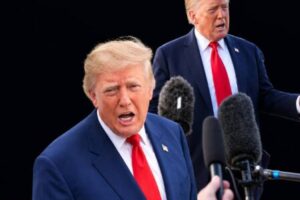











A fresh political dispute has erupted in Washington after current U.S. President Donald Trump informed Congress that hostilities with Iran had been “terminated,” even as tensions remain high in the Persian Gulf and diplomatic negotiations continue. The declaration came alongside reports that Iran had submitted a new peace proposal to the United States, which Trump reportedly rejected as insufficient.
Senate Democrats swiftly condemned the president’s statement, arguing that the conflict cannot be considered over while American troops remain deployed in the region, maritime blockades continue, and the risk of renewed escalation remains significant. The disagreement has reopened debate over presidential war powers, congressional oversight, and the long-term consequences of the confrontation.
Trump Tells Congress Conflict Has Been Terminated
In a formal letter to congressional leaders, President Trump said there had been no exchange of fire between U.S. forces and Iran since April 7, 2026, when a ceasefire reportedly took effect. Based on that pause in combat, he declared that hostilities which began on February 28 had ended.
The timing of the letter was politically significant. It arrived as the administration approached the 60-day deadline under the War Powers Resolution, a law requiring presidents to obtain congressional authorization for extended military engagements. By asserting that hostilities had ceased, the White House appeared to argue that the legal clock had effectively stopped.
Democrats Reject White House Position
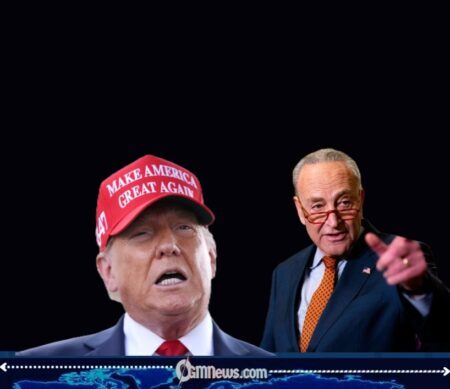
Leading Democrats responded forcefully. Senate Minority Leader Chuck Schumer dismissed the claim, saying the conflict remained unauthorized and dangerous. He argued that continued Republican support for the Trump administration’s position risked further instability, rising costs, and additional burdens on American taxpayers.
Senator Jeanne Shaheen also challenged the declaration, noting that thousands of American service members remain stationed in the region. She said the continued closure of the Strait of Hormuz and ongoing threats of renewed military action showed the situation was far from resolved.
Iran Peace Proposal Reportedly Rejected
At the same time, diplomatic channels remain active. Reports indicate that Iran presented a new proposal aimed at ending the standoff with the United States. However, President Trump said he was not satisfied with the terms and insisted that all options, including further military strikes, remained available.
The Trump administration is reportedly demanding a permanent end to Iran’s pursuit of nuclear weapons, while Tehran is believed to be seeking relief from economic pressure and the reopening of key shipping routes. The failure to bridge those differences means negotiations remain uncertain.
Strategic Pressure Continues in the Gulf
Despite the ceasefire, the United States is still enforcing maritime restrictions and maintaining a military presence near Iran. Critics say such measures amount to continued hostilities, even if direct exchanges of fire have paused.
The Strait of Hormuz remains central to the crisis. Any disruption there can affect global oil flows, energy markets, and shipping costs. Continued uncertainty has therefore carried consequences far beyond the Middle East, including pressure on fuel prices worldwide.
Renewed Debate Over Presidential War Powers
The dispute has intensified longstanding constitutional questions over who controls military action. While the U.S. Constitution grants Congress authority to declare war, modern presidents of both parties have often initiated or expanded military operations without formal declarations.
Opponents of Trump’s move say the letter attempts to sidestep Congress rather than seek approval. Supporters argue the ceasefire changes the legal status of the conflict and gives the president room to manage national security threats. The issue may now move into the courts or return to Congress through new resolutions.
For now, active large-scale combat appears paused, but the broader conflict remains unresolved. Diplomatic mistrust, troop deployments, sanctions pressure, and regional security threats all continue to shape the crisis.
Whether the President Trump’s declaration marks a genuine turning point or only a temporary political maneuver may depend on the next round of talks with Iran, congressional reaction in Washington, and events in the Gulf over the coming weeks.


Logging in is a breeze and the site stability is amazing even during peak hours....