










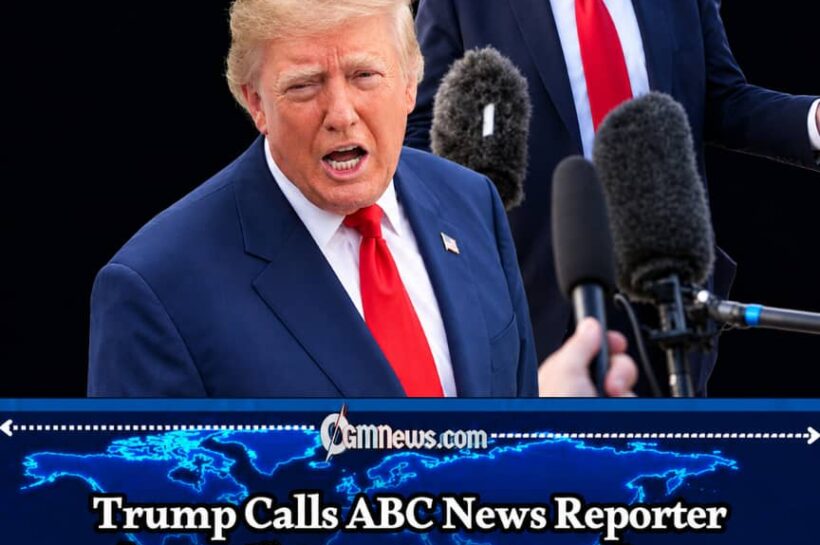









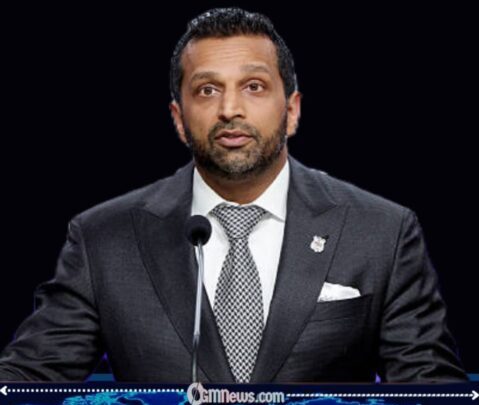
Kash Patel, the current FBI Director, has come under heightened public attention following a tense exchange with a journalist during a press briefing in which he dismissed a question about alleged intoxication as “fake news.” The incident, which unfolded during an official media interaction, has triggered debate about Kash Patel’s communication style, temperament under pressure, and handling of sensitive or unverified claims. While the allegation referenced in the question remains unsupported by evidence, Kash Patel’s response has amplified discussions around transparency and public trust in federal leadership.
Kash Patel and the Press Briefing Exchange
Kash was addressing reporters at a routine briefing when a journalist raised a question referencing online claims suggesting possible intoxication during official duties. The question, which was not backed by any verified report, immediately drew a firm response from Kash.
Kash dismissed the allegation outright, labeling it “fake news” and refusing to provide further comment on the matter. His response effectively ended that line of questioning, though it set the tone for a more tense interaction between Kash Patel and members of the press.
Kash Patel’s Reaction and Immediate Atmosphere Shift
Observers in the briefing room noted that Kash Patel’s response altered the atmosphere of the session. The firmness of his dismissal led to a brief moment of visible tension among attending journalists, some of whom attempted to seek clarification.
Despite further attempts to revisit the question, Kash Patel did not engage further on the issue, instead continuing with other briefing matters. The lack of additional explanation left a gap in understanding that fueled post-briefing discussion.
Kash Patel and Questions Over Communication Style
The incident has reignited broader conversations about Kash’s communication approach as FBI Director. Analysts point out that high-ranking officials are often expected to address public concerns with a balance of firmness and transparency.
Supporters of Kash argue that his refusal to engage with what he described as unverified claims reflects a commitment to preventing misinformation from gaining traction. Critics, however, suggest that a more measured response could have reduced speculation surrounding the exchange.
Kash and Media Relations Under Scrutiny
Kash interaction has also drawn attention from media analysts who study government–press relations. Some observers believe the exchange highlights a growing strain between federal officials and journalists in high-pressure briefing environments.
For Kash, the challenge now lies in managing public perception while maintaining professional boundaries during media engagements. The incident has become a talking point for discussions on how officials should respond to contentious or potentially misleading questions.
Kash Patel and the Issue of Unverified Allegations
The question posed to Kash Patel was based on claims that have not been substantiated by any official investigation or credible reporting. No evidence has been presented to support allegations of intoxication during his duties.
Kash swift rejection of the claim reflects a broader policy stance within federal agencies to avoid amplifying misinformation. However, the manner of response has ensured continued public interest in the exchange, despite the absence of verified facts.
Kash and the Broader Implications for Federal Transparency
The episode involving Kash underscores the delicate balance between dismissing false claims and maintaining openness in public communication. Experts note that the way senior officials respond to controversial questions can shape public confidence in institutions.
For Kash, the incident may not carry immediate administrative consequences, but it adds to ongoing scrutiny of his leadership style. As FBI Director, Kash remains at the center of discussions on accountability, media engagement, and the evolving expectations of public office communication.


The weekly tournaments here keep me coming back because the prize pools are surprisingly generous....