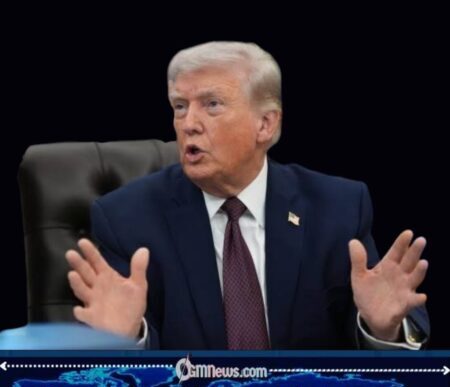



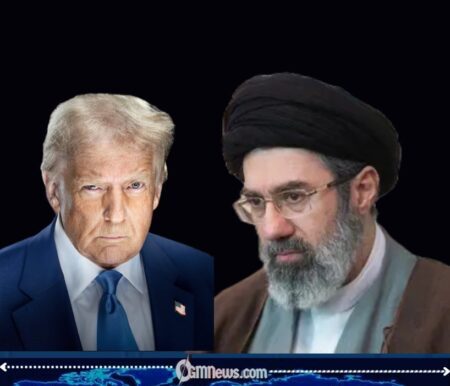
U.S. President Donald Trump, currently serving his second term, has announced an extension of the ceasefire in the ongoing conflict with Iran, citing the absence of a unified negotiating position from Tehran. The decision, revealed Tuesday, comes just hours before the initial ceasefire deadline was due to expire, underscoring the fragile and uncertain state of diplomatic efforts aimed at ending the war.
Despite earlier indications that the deadline would not be moved, President Trump emphasized the need to allow additional time for Iranian leaders and representatives to consolidate their stance. The extension reflects both cautious optimism within Washington and persistent skepticism about Iran’s willingness to engage in meaningful negotiations.
Ceasefire Extension Signals Strategic Patience
The extension of the ceasefire represents a notable shift in tone from the Trump administration, which had previously signaled a firm deadline for progress. By granting additional time, the administration appears to be prioritizing diplomatic flexibility over immediate resolution, acknowledging the complexities of the conflict.
Officials close to the negotiations suggest the move is intended to maintain pressure on Iran while avoiding an abrupt return to hostilities. The decision may also serve to reassure international partners concerned about the potential for escalation in an already volatile region.
Mixed Signals from Tehran on Negotiations
While President Trump has expressed confidence in achieving what he described as a “great deal,” Iranian officials have publicly maintained that they do not intend to participate in upcoming talks scheduled in Islamabad. This apparent contradiction has added to the uncertainty surrounding the peace process.
Trump administration has argued that Iran ultimately has “no choice” but to engage, pointing to mounting economic and geopolitical pressures. However, Tehran’s resistance highlights deep-seated mistrust and raises questions about whether a diplomatic breakthrough is imminent.
Vice President Vance to Lead U.S. Delegation
Vice President JD Vance is expected to head the American negotiating team should talks proceed in Islamabad. His involvement signals the administration’s commitment to high-level engagement and underscores the importance Washington places on resolving the conflict.
Diplomatic observers note that Vance’s leadership could bring a renewed dynamic to the talks, potentially bridging gaps that have stalled previous efforts. However, the success of any negotiation will largely depend on Iran’s willingness to participate constructively.
UAE Responds to Economic Speculation
Amid the geopolitical tensions, the United Arab Emirates has sought to counter suggestions that it may require external financial support. The response followed remarks by President Trump referencing a possible currency swap arrangement.
In a statement, the UAE emphasized its economic resilience, citing substantial sovereign investment assets and robust foreign currency reserves. The message appeared aimed at reassuring global markets and reinforcing confidence in the country’s financial stability during a period of regional uncertainty.
Strait of Hormuz Disruption Impacts Global Trade
The conflict has significantly affected shipping and energy flows through the Strait of Hormuz, a critical artery for global oil supplies. While the UAE has alternative export routes, disruptions in the strait have nonetheless constrained its ability to fully access international markets.
The ripple effects have extended beyond energy, impacting businesses in Dubai and major airlines such as Emirates and Etihad. Analysts warn that prolonged instability could have wider consequences for global trade and economic growth.
Trump’s Hardline Rhetoric Raises Stakes
In a post on Truth Social, President Trump suggested that reopening the Strait of Hormuz under current conditions could undermine any potential agreement with Iran. He asserted that maintaining the blockade was essential to preserving leverage in negotiations.
President Trump also made controversial remarks implying that a deal would be impossible without drastic measures if the blockade were lifted. Such statements have drawn attention for their stark tone, reflecting the high stakes and deep tensions underpinning the conflict.
Outlook Remains Uncertain
As the ceasefire extension takes effect, the path toward a lasting resolution remains unclear. While diplomatic channels remain open, the lack of a unified Iranian position and the continued exchange of strong rhetoric complicate prospects for progress.
International observers continue to monitor developments closely, with hopes that the extended timeframe will provide an opportunity for meaningful dialogue. For now, the ceasefire offers a temporary reprieve, but the broader question of peace remains unresolved.