


























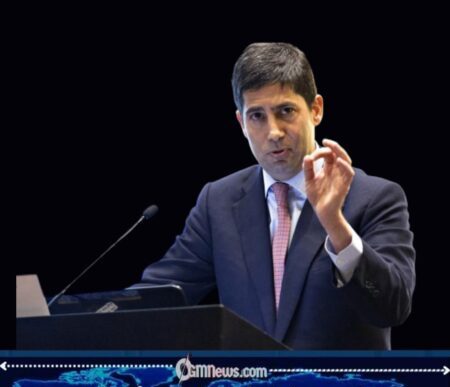
Kevin Warsh is set to tell lawmakers at his upcoming confirmation hearing that he is “committed to ensuring that the conduct of monetary policy remains strictly independent,” signaling a clear stance ahead of what is expected to be a closely watched proceeding. His remarks underscore the importance of central bank autonomy, a principle widely regarded as essential for maintaining economic stability and credibility.
The statement comes as policymakers and market participants alike focus on how leadership at the Federal Reserve could shape future economic decisions. Independence in monetary policy is often viewed as critical in preventing political pressures from influencing interest rates and broader financial strategies.
Kevin Warsh’s position appears aimed at reassuring both lawmakers and the public that he intends to uphold established norms, even as debates about the role of central banks continue to evolve.
Kevin Warsh and the Principle of Independence
Kevin Warsh has emphasized that maintaining independence in monetary policy is not only a matter of tradition but also a practical necessity for effective economic management. By separating policy decisions from short-term political considerations, central banks can focus on long-term economic health.
This approach has been widely supported by economists, who argue that credibility and consistency are essential for managing inflation and fostering sustainable growth.
At the same time, the principle of independence often sparks debate, particularly when economic outcomes are closely tied to policy decisions that affect everyday life.
The Role of the Federal Reserve
Kevin Warsh is expected to address the broader responsibilities of the Federal Reserve, including its role in controlling inflation, supporting employment, and maintaining financial stability. These responsibilities require careful balancing of competing priorities.
Central bank decisions often have far-reaching consequences, influencing borrowing costs, investment patterns, and overall economic activity.
Understanding these dynamics will be a
key focus during the confirmation process, as lawmakers seek clarity on his approach to these challenges.
Kevin Warsh and Lawmaker Scrutiny
Kevin Warsh’s confirmation hearing is likely to involve detailed questioning from lawmakers, who will seek to understand his views on a range of economic issues. His commitment to independence may be tested through questions about how he would handle political pressure.
The hearing provides an opportunity for him to outline his policy priorities and demonstrate his readiness for the role.
Such proceedings are a standard part of the confirmation process, ensuring accountability and transparency in key appointments.
Economic Context and Expectations
Kevin Warsh enters the confirmation process at a time when economic conditions remain complex, with concerns about inflation, growth, and global uncertainty shaping policy discussions. His views on these issues will be closely examined.
Market participants are particularly interested in how his leadership might influence future decisions, including interest rate adjustments and broader monetary strategies.
The outcome of the hearing could have implications not only for domestic policy but also for global financial markets.
Looking Ahead
Kevin Warsh is expected to use the hearing to reinforce his commitment to established principles while also addressing current economic challenges. The process will provide insight into how he plans to navigate the responsibilities of the role.
Lawmakers will likely weigh his statements carefully as they consider his nomination, with the final decision carrying significant importance for the direction of monetary policy.
Ultimately, the hearing represents a critical step in determining the future leadership of the Federal Reserve and the policies that will shape the economic landscape in the years ahead.

Logging in is a breeze and the site stability is amazing even during peak hours....