




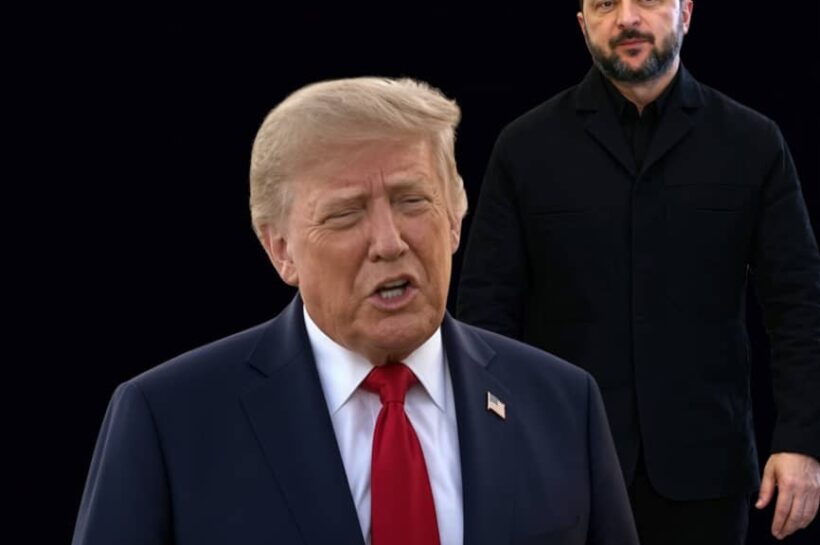




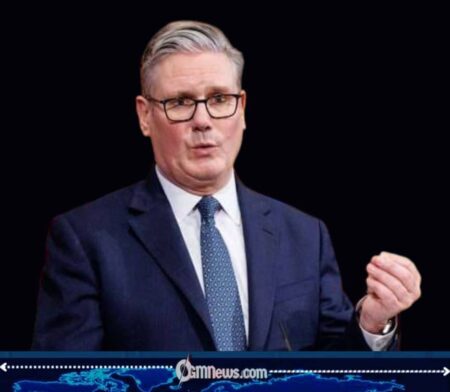
UK Prime Minister Keir Starmer has made it clear he will not alter his position on the Iran conflict, despite mounting pressure from U.S. President Donald Trump. The standoff follows warnings from Washington that the long-standing UK–US trade relationship could face consequences if Britain refuses to support U.S. military strategy.
Starmer’s response signals a significant moment in transatlantic relations, as the United Kingdom adopts a firm stance rooted in national interest and strategic caution. The exchange has drawn global attention, highlighting divisions among close allies over war, diplomacy, and economic leverage.
Starmer’s Position: National Interest Takes Priority
Keir Starmer has emphasized that entering the Iran conflict would not serve the United Kingdom’s national interest. He has argued that military involvement must be justified by clear objectives, legal backing, and a defined long-term strategy.
The prime minister has reiterated that his government will not be drawn into a conflict without careful consideration of its consequences. His stance reflects a commitment to measured decision-making, particularly in matters of international security.
By refusing to shift under pressure, Starmer has positioned his administration as one focused on independent judgment rather than external influence.
Trump’s Warning: Trade Relations Enter the Equation
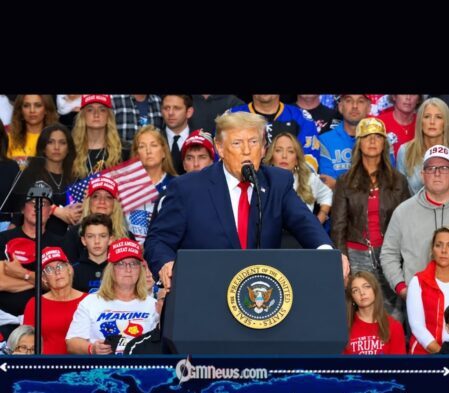
President Donald Trump has responded by signaling that economic ties between the United States and the United Kingdom could be affected. He suggested that trade agreements are not fixed and may be reconsidered in light of Britain’s stance on the conflict.
The remarks introduce a new dimension to the dispute, linking foreign policy decisions with economic consequences. Analysts note that such an approach is unusual between long-standing allies.
President Donald Trump has also expressed disappointment in the UK’s refusal to support U.S. actions, framing allied cooperation as essential in addressing global threats.
Strategic Divide: Military Action vs Diplomatic Caution
The disagreement reflects a broader divide in strategy. President Donald Trump has advocated for decisive military action to counter perceived threats, emphasizing deterrence and strength.
In contrast, Keir Starmer has prioritized diplomacy, stability, and the avoidance of escalation. His government has resisted calls to participate in operations related to the Strait of Hormuz and other military initiatives.
This divergence underscores differing philosophies on how best to manage complex international crises.
Economic and Security Concerns Shape the Debate
Economic considerations have played a significant role in the UK’s position. Officials have expressed concern about the potential impact of the conflict on global energy markets, trade routes, and domestic economic stability.
Rising oil prices and uncertainty surrounding key shipping lanes have heightened these concerns. The UK government has indicated that further escalation could have far-reaching consequences for both national and global economies.
These factors reinforce Starmer’s argument that caution is necessary in navigating the current situation.
Diplomatic Fallout: Strains in a Historic Alliance
The public nature of the exchange has brought attention to growing tensions within one of the world’s most enduring alliances. While disagreements between allies are not uncommon, the intensity of the rhetoric has raised questions about the future of cooperation.
Keir Starmer’s refusal to yield has been interpreted by some as a sign of increasing independence in British foreign policy. At the same time, President Donald Trump’s remarks highlight expectations of alignment among allies during periods of crisis.
The situation presents a test of diplomatic resilience and mutual understanding.
Global Context: Allies Navigate a Complex Crisis
Beyond the UK and the United States, other nations are closely watching the developments. The Iran conflict has already affected global markets and political dynamics, prompting calls for restraint from various quarters.
Countries across Europe have expressed caution, emphasizing the importance of diplomacy and multilateral engagement. The UK’s position aligns with this broader trend, even as it creates tension with Washington.
The outcome of this dispute may influence how alliances function in future geopolitical challenges.
The exchange between Keir Starmer and President Donald Trump highlights the complexities of modern international relations, where security concerns, economic interests, and political principles intersect. Starmer’s refusal to change course reflects a commitment to national priorities, while Trump’s response underscores the strategic importance he places on allied cooperation.
As the situation evolves, the ability of both leaders to manage differences without undermining broader ties will be crucial. The episode serves as a reminder of the delicate balance required to maintain unity in an increasingly uncertain global landscape.
FoSEnYRcnzkCFxcrkTIkEJxP