














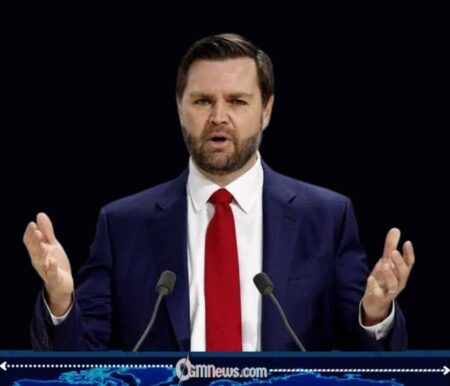
JD Vance has accused Iran of engaging in “economic terrorism against the entire world,” sharply criticizing its actions in the Strait of Hormuz and warning that the United States would respond decisively if disruptions continue. His remarks come at a time of escalating tensions, particularly as global energy markets react to instability in one of the world’s most critical shipping routes.
The statement reflects growing frustration within the U.S. administration over Iran’s alleged interference with international oil and gas flows. The Strait of Hormuz remains a vital artery for global trade, and any disruption has immediate worldwide consequences.
Observers note that such strong language signals a shift toward a more confrontational tone, emphasizing the seriousness with which the situation is being treated.
JD Vance and Escalating Rhetoric
JD Vance has made it clear that the United States views disruptions in global shipping as unacceptable, framing Iran’s actions as a threat not just to regional stability but to the entire global economy. His comments underline the administration’s broader stance on maintaining open trade routes.
He also suggested that the U.S. is prepared to respond in kind if necessary, reinforcing the idea that economic pressure could be met with countermeasures. This approach highlights the possibility of further escalation.
Analysts point out that such rhetoric is often used to deter further actions while signaling readiness for stronger responses if conditions worsen.
Global Economic Impact
JD Vance emphasized that the alleged disruptions are not confined to a single region but have ripple effects across the global economy. Rising oil prices and supply uncertainties have already begun to affect markets worldwide.
Countries heavily dependent on energy imports are particularly vulnerable, facing increased costs that can lead to inflation and economic strain. Businesses and consumers alike feel the impact.
The situation underscores the interconnected nature of modern economies, where actions in one region can have far-reaching consequences elsewhere.
JD Vance and U.S. Strategic Response
JD Vance indicated that the United States is considering a range of responses to address the situation, including measures designed to ensure the continued flow of oil and gas. These responses may involve both economic and military components.
He stressed that the U.S. will not allow disruptions to go unanswered, reinforcing the administration’s commitment to protecting global trade routes. This position aligns with longstanding U.S. policy in the region.
The emphasis on preparedness suggests that further developments could depend heavily on Iran’s next moves and the broader geopolitical context.
Diplomatic Tensions and International Reactions
JD Vance’s comments have sparked reactions from across the international community, with some countries expressing concern about the escalating tone. Diplomatic channels remain active, but tensions continue to rise.
While some nations support efforts to keep trade routes open, others have called for restraint and dialogue to prevent further escalation. The balance between these approaches remains delicate.
The situation highlights the challenges of managing international disputes where economic and security interests intersect.
JD Vance stated that the path forward will depend largely on Iran’s actions, emphasizing that the United States remains open to negotiation but prepared for escalation if necessary. His remarks suggest a dual approach of pressure and diplomacy.
The coming weeks are expected to be critical as both sides assess their positions and consider potential next steps. Global markets and political leaders will be watching closely.
Eventually, the issue reflects broader concerns about stability, security, and cooperation in a highly interconnected world, where the consequences of conflict can extend far beyond regional boundaries.


The weekly tournaments here keep me coming back because the prize pools are surprisingly generous....