
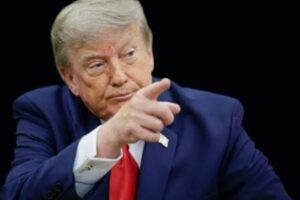

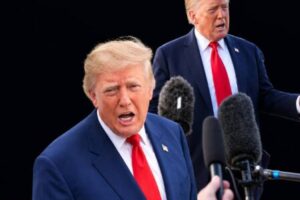


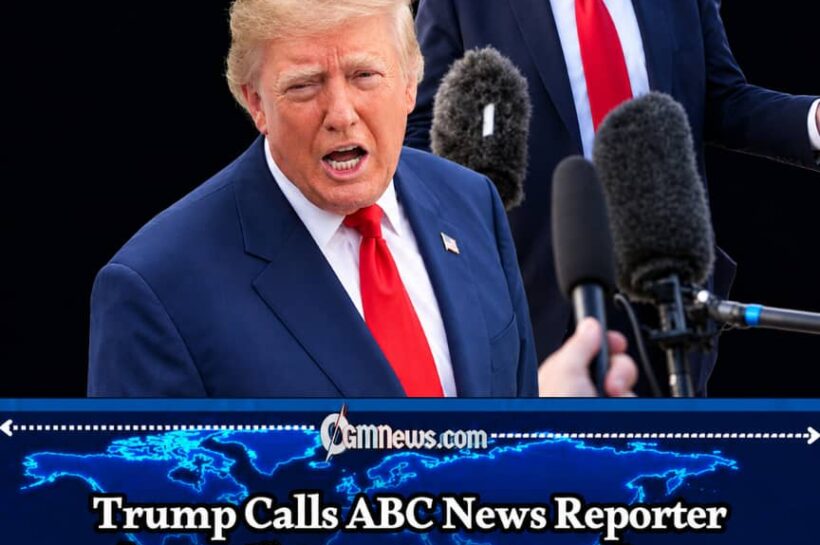







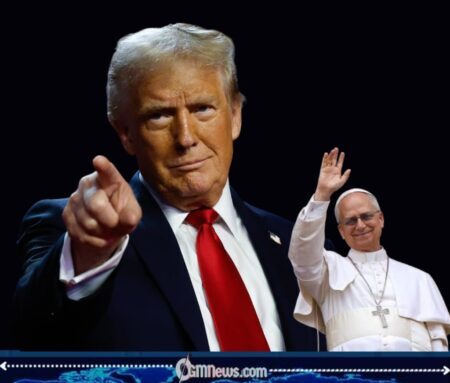
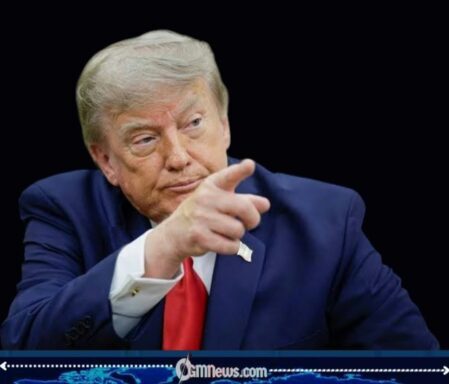
President Donald Trump has sharply criticized Pope Leo XIV, calling him “weak on crime” and “terrible for foreign policy,” in a highly publicized statement that has intensified tensions between political and religious leadership. The remarks come amid ongoing disagreements over global conflicts, particularly involving Iran, as well as broader ideological divides on international affairs.
The criticism was delivered through a strongly worded message in which Trump expressed frustration with what he perceives as the Pope’s stance on key geopolitical issues. His comments have drawn widespread attention, reflecting the unusual nature of such direct criticism toward a religious figure of global influence.
Observers note that this development underscores the growing intersection of politics and moral authority, where disagreements over policy can spill into public discourse in increasingly direct ways.
President Donald Trump and Expanding Political Rhetoric
President Donald Trump further escalated his remarks by stating that he does not support a Pope who appears to tolerate Iran obtaining nuclear weapons or criticizes U.S. actions abroad, including in Venezuela. His statements reflect a broader emphasis on national security and assertive foreign policy positions.
The language used in the statement highlights a widening gap between political leadership and religious advocacy, particularly on issues involving war, peace, and humanitarian concerns. The contrast in perspectives has become more visible in recent months.
Analysts suggest that such rhetoric may resonate differently across audiences, with some viewing it as a defense of policy priorities and others interpreting it as a challenge to moral and diplomatic norms.
Underlying Policy Disagreements
President Donald Trump’s criticism appears rooted in fundamental disagreements over how global conflicts should be handled, especially in relation to Iran and broader Middle Eastern tensions. The Pope has called for restraint and dialogue, while Trump has emphasized strength and deterrence.
These differing approaches reflect longstanding debates about the role of diplomacy versus force in international relations. The contrast has become more pronounced as global tensions continue to rise.
The situation highlights how leaders from different spheres—political and religious—can approach the same issues from distinct philosophical perspectives.
President Donald Trump and International Reaction
President Donald Trump’s remarks have prompted varied reactions across the international community, with some leaders expressing concern about the tone of the exchange. The comments have sparked discussions about the relationship between political authority and religious influence.
In some quarters, the criticism has been seen as part of a broader pattern of assertive communication, while others view it as an escalation that could complicate diplomatic and interfaith relations.
The response from global audiences illustrates the sensitivity of such interactions, particularly when they involve figures with significant global followings.
Broader Implications for Diplomacy
President Donald Trump’s statements may have implications beyond the immediate controversy, potentially influencing diplomatic dynamics and perceptions of U.S. policy. The intersection of political messaging and religious commentary adds complexity to international relations.
Experts note that maintaining constructive dialogue between different forms of leadership is essential for addressing global challenges, especially in times of heightened tension.
The situation also raises questions about how public statements shape global narratives and influence the actions of other stakeholders.
President Donald Trump has signaled that his position remains firm, suggesting that his administration will continue to prioritize its current approach to foreign policy and security. His remarks indicate that disagreements with other influential voices are unlikely to alter this course.
The coming weeks may reveal how this exchange affects ongoing discussions around global conflicts and diplomatic efforts. Observers will be watching closely for any shifts in tone or strategy.
Ultimately, the episode reflects the broader challenges of navigating complex global issues, where differing perspectives can lead to public disagreements but also highlight the importance of continued dialogue.
The vibes here are amazing and the winning streaks are real. It feels just like...