



























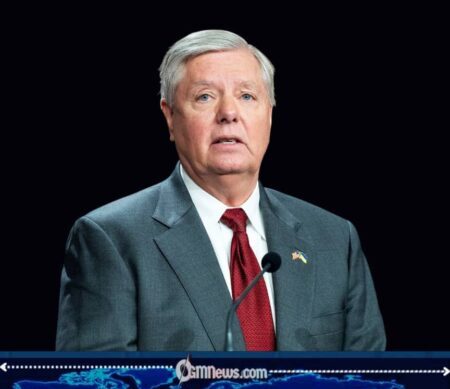
U.S. Senator Lindsey Graham has intensified scrutiny of Iran’s negotiating stance, suggesting that a rejection of current proposals would raise serious questions about Tehran’s intentions. His remarks, widely circulated in political and media circles, reflect growing frustration among some U.S. policymakers over the pace and direction of diplomatic efforts.
While the exact phrasing of his statement has appeared in varying forms, its underlying message aligns with Graham’s broader position: that Iran faces a clear choice between cooperation and further confrontation. The comments come at a critical juncture, as negotiations continue under mounting geopolitical pressure.
Graham’s Hardline Stance on Iran Policy
Graham has long been associated with a hawkish approach to U.S. foreign policy, particularly in relation to Iran. In recent interviews and public statements, he has emphasized the need for firm action should diplomatic efforts fail to produce tangible results.
The senator has argued that Iran’s leadership must demonstrate a willingness to comply with international expectations, particularly regarding regional security and strategic waterways. His rhetoric suggests a belief that continued resistance by Tehran would justify stronger measures, including potential military action.
Supporters of this approach view it as a necessary deterrent, while critics argue that such language risks narrowing the space for diplomatic compromise.
Context of Escalating U.S. Rhetoric
Graham’s remarks are part of a broader pattern of increasingly assertive language from U.S. officials. Donald Trump has also issued warnings linking the success of negotiations to the possibility of renewed military action, reinforcing the administration’s dual-track strategy of diplomacy backed by force.
This coordinated messaging is intended to signal resolve while pressuring Iran to engage constructively. However, analysts note that the tone of recent statements marks a departure from more measured diplomatic language, reflecting the urgency of the current situation.
The cumulative effect of these statements has been to heighten tensions, even as negotiations remain ongoing.
Debate Over Diplomatic Strategy
The approach advocated by Graham has sparked debate within U.S. political and policy circles. Some lawmakers and analysts argue that strong rhetoric is essential to compel Iran to negotiate seriously, particularly given past disputes over compliance.
Others caution that framing Iran’s decisions in stark or dismissive terms could complicate diplomatic efforts. They warn that such language may harden positions on both sides, reducing the likelihood of compromise.
This divide highlights the broader challenge facing U.S. policymakers: balancing the need for leverage with the goal of achieving a sustainable diplomatic outcome.
International Reactions and Strategic Implications
Global reactions to the escalating rhetoric have been mixed. Allies have expressed support for efforts to maintain pressure on Iran but have also called for restraint to avoid further destabilization in the region.
Diplomatic observers note that statements like Graham’s are closely watched by international partners, as they can influence perceptions of U.S. intentions. The tone and content of such remarks may affect not only negotiations with Iran but also broader regional dynamics.
There are also concerns that heightened rhetoric could impact global markets and security conditions, particularly if it contributes to uncertainty around key trade routes and energy supplies.
A Critical Moment in U.S.–Iran Relations
As negotiations continue, the stakes remain high for both Washington and Tehran. Graham’s comments underscore the sense of urgency among U.S. officials who view the current moment as निर्ण decisive in shaping the future of the relationship.
The coming days are expected to be pivotal, with outcomes likely to influence not only bilateral relations but also regional stability. Whether the current approach yields progress or further tension remains uncertain.
For now, the interplay between rhetoric and diplomacy continues to define the trajectory of the crisis.
The remarks by Senator Lindsey Graham reflect a broader shift toward more assertive U.S. messaging in dealings with Iran. While intended to strengthen negotiating leverage, such statements also highlight the delicate balance between pressure and diplomacy in managing complex international disputes.



[…] […]