







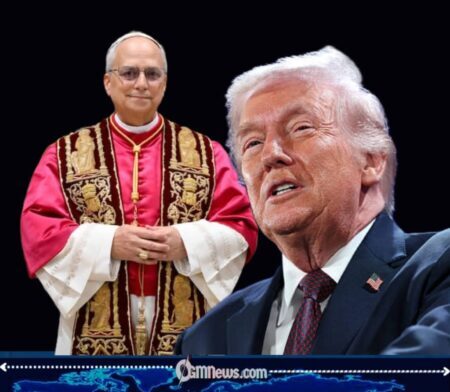
Pope Leo XIV has denounced what he described as the “blasphemy of war and the brutality of business,” warning that human lives are increasingly being reduced to mere collateral in the pursuit of geopolitical and economic interests. His remarks, shared on X, come at a time of fragile calm in the Middle East, where a tenuous ceasefire continues to hold despite lingering fears of renewed violence.
The pontiff’s statement reflects growing global unease over the escalating conflict involving Iran, Israel, and neighboring regions. With military actions still unfolding in parts of the region, concerns persist that the current lull in hostilities may be temporary, particularly following the decision by Donald Trump, the current U.S. president serving a second term, to initiate military engagement.
Papal Rebuke Highlights Human Cost of Conflict
In his strongly worded message, Pope Leo XIV criticized the moral implications of modern warfare, emphasizing that no political or economic objective can justify the loss of innocent lives. He specifically pointed to the suffering of vulnerable populations—children and families—who often bear the brunt of violent conflicts.
The pope’s remarks reflect a long-standing position of the Catholic Church against unjust wars, but the timing and tone of this intervention suggest heightened concern over the current trajectory of global conflicts. By framing war as both a moral and spiritual failure, he has placed renewed pressure on world leaders to reconsider their approaches.
Fragile Ceasefire Masks Persistent Instability
Although a ceasefire has been declared in the ongoing Iran-related conflict, reports indicate that the situation remains volatile. Explosions from drones, missiles, and aerial bombardments have not entirely ceased, raising doubts about the durability of the truce.
Analysts suggest that the shifting terms of the ceasefire could signal deeper strategic maneuvering rather than a genuine commitment to peace. There are fears that the pause in hostilities may be used by involved parties to regroup, rearm, and reposition military assets for potential future engagements.
Escalation in Lebanon Deepens Regional Crisis
Simultaneously, Israel’s ongoing military operations in Lebanon have intensified scrutiny of the broader regional conflict. Reports of widespread destruction and civilian casualties have drawn criticism from international observers and humanitarian organizations.
The expansion of military activity into Lebanon has heightened fears of a wider regional war, potentially drawing in additional state and non-state actors. This development complicates diplomatic efforts and underscores the interconnected nature of Middle Eastern conflicts.
U.S. Policy Under Renewed Scrutiny
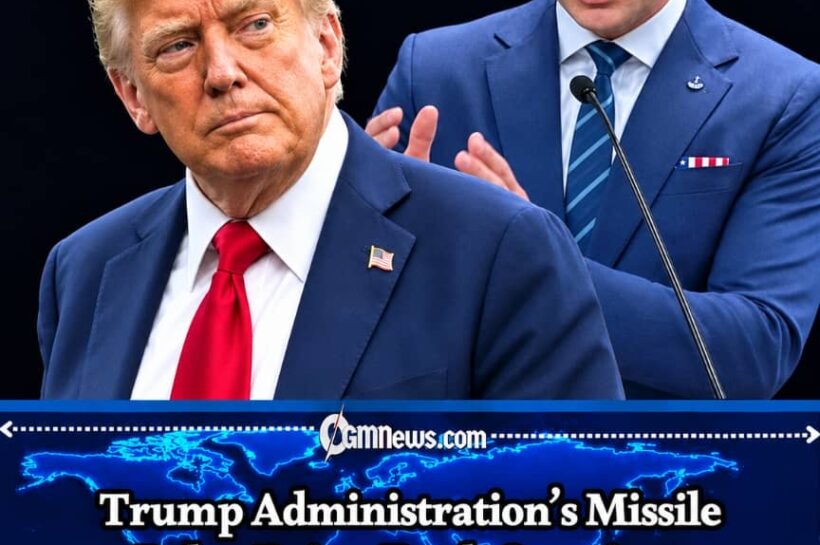
President Donald Trump’s decision to initiate the conflict has sparked significant debate both domestically and internationally. Supporters argue that the move was necessary to protect strategic interests, while critics contend that it has exacerbated instability in an already volatile region.
Speculation is also mounting over whether the current ceasefire represents a genuine de-escalation or a tactical pause. Some observers believe the U.S. may be using this period to strengthen its military positioning, raising concerns about the potential for renewed hostilities.
Global Religious Response and Call for Peace
In response to the ongoing violence, Pope Leo XIV has announced plans to hold a global vigil for peace, urging Catholics worldwide to unite in prayer. The initiative aims to foster solidarity and draw attention to the urgent need for a peaceful resolution.
Religious leaders across denominations have echoed similar sentiments, emphasizing the moral imperative to protect human life and pursue dialogue over destruction. The pope’s call is expected to mobilize millions, highlighting the enduring influence of faith-based advocacy in global affairs.
Political Backlash and Polarized Reactions
The pope’s statements have not gone unchallenged. Some political figures and commentators, particularly within conservative circles in the United States, have criticized his remarks, accusing him of overstepping into political territory.
On social media, reactions have been sharply divided, reflecting broader ideological divides. While many have praised the pope’s moral clarity, others have dismissed his intervention as partisan, illustrating the increasingly polarized nature of discourse surrounding global conflicts.
Uncertain Path Forward Amid Mounting Tensions
As the Middle East remains on edge, the future of the ceasefire—and the broader conflict—remains uncertain. Diplomatic efforts continue, but the risk of escalation looms large, particularly given the complex web of alliances and rivalries in the region.
Pope Leo XIV’s intervention serves as a stark reminder of the human cost of war and the ethical responsibilities of global leadership. Whether his call for peace will გავლ translate into meaningful action remains to be seen, but it has undeniably added a powerful moral voice to an already urgent global conversation.

The weekly tournaments here keep me coming back because the prize pools are surprisingly generous....