









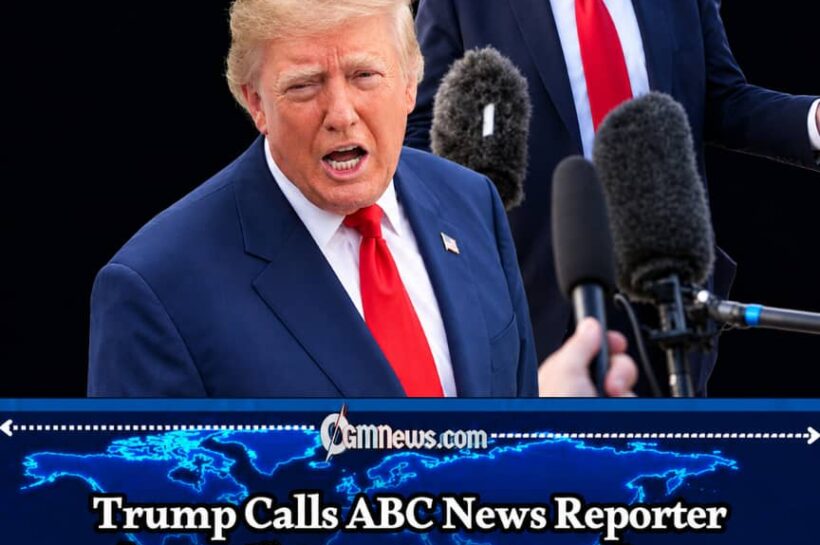

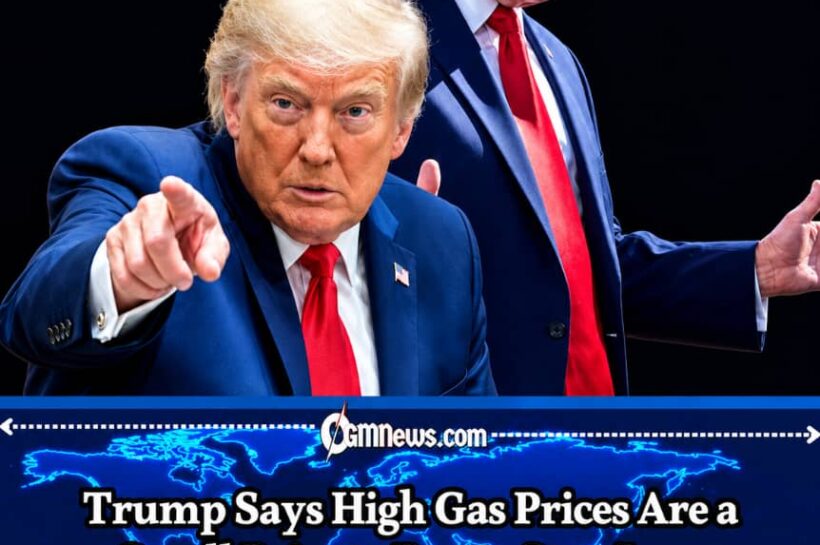




President Donald Trump has reportedly rejected Iran’s proposed 10-point plan, with the White House stating that the document was dismissed outright and “thrown in the garbage,” signaling a sharp escalation in tone between the two nations. The dramatic language underscores the administration’s dissatisfaction with the contents of the proposal, which was expected to outline potential steps toward easing tensions and reaching a ceasefire agreement.
The rejection comes at a time when diplomatic efforts have been intensifying, with multiple channels attempting to bridge the gap between Washington and Tehran. Trump’s response suggests that the proposal failed to meet key U.S. expectations, particularly on issues related to security and nuclear development.
Observers note that such a public dismissal could complicate ongoing negotiations, potentially hardening positions on both sides and reducing the likelihood of immediate progress. The situation remains fluid as both nations reassess their next moves.
Diplomatic Fallout and Rising Tensions
President Donald Trump has made it clear that the United States will not accept proposals it deems insufficient or misaligned with its strategic objectives, reinforcing a firm stance in negotiations with Iran. His reaction has intensified already high tensions, drawing global attention to the fragile state of diplomatic relations.
The rejection has prompted responses from international observers, some of whom view the move as a setback for diplomacy, while others argue it reflects a necessary insistence on stronger terms. The divide in opinion highlights the complexity of the situation.
Analysts suggest that the manner in which the proposal was dismissed could have lasting implications, influencing how future offers are crafted and presented by Iran and other stakeholders involved in the process.
President Donald Trump and Negotiation Strategy
President Donald Trump has often employed a direct and uncompromising approach in negotiations, and this latest development appears consistent with that strategy. By rejecting the plan outright, he may be signaling that only significantly improved terms will be considered moving forward.
This approach is seen by some as a tactic designed to increase pressure on Iran, forcing it to return with a more favorable proposal. Others, however, caution that such tactics can risk closing off opportunities for constructive dialogue.
The effectiveness of this strategy will depend on how Iran responds, as well as the willingness of both sides to remain engaged despite the apparent setback.
International Reactions and Diplomatic Concerns
President Donald Trump’s decision has sparked a range of reactions from global leaders, with some expressing concern over the potential for further escalation. The rejection of a formal proposal, particularly in such stark terms, has raised questions about the future of diplomatic efforts.
Countries involved in mediating between the United States and Iran may now face additional challenges, as they attempt to rebuild momentum and encourage renewed dialogue. The situation has become increasingly complex as multiple actors seek to influence the outcome.
President Donald Trump Throws Out Iran Plan, Signals Tough Negotiation Strategy
The international community continues to emphasize the importance of maintaining open channels of communication, even in the face of setbacks, to prevent the situation from deteriorating further.
Economic and Security Implications
President Donald Trump has highlighted the importance of national security considerations in evaluating proposals from Iran, suggesting that the rejected plan did not adequately address key concerns. This focus reflects broader priorities within the administration.
The ongoing tensions have also had economic implications, particularly in global energy markets, where uncertainty surrounding U.S.-Iran relations can lead to fluctuations in oil prices. Investors and policymakers are closely monitoring developments.
Security analysts warn that continued diplomatic breakdowns could increase the risk of military confrontation, underscoring the need for careful management of the situation moving forward.
Path Forward
President Donald Trump has indicated that the United States remains open to future proposals, provided they meet established criteria and demonstrate a genuine commitment to resolving core issues. This stance leaves the door open for continued engagement, albeit under stricter conditions.
The next steps will likely involve renewed efforts by mediators to bring both sides back to the negotiating table, with an emphasis on finding common ground despite recent setbacks. The role of international partners will be crucial in this process.
Ultimately, the rejection of Iran’s 10-point plan represents a critical moment in the ongoing diplomatic effort, highlighting both the challenges and the stakes involved in seeking a resolution to one of the most complex geopolitical issues of the time.


The weekly tournaments here keep me coming back because the prize pools are surprisingly generous....