
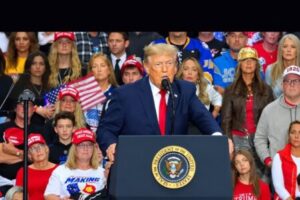
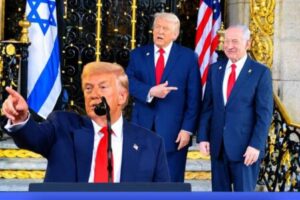
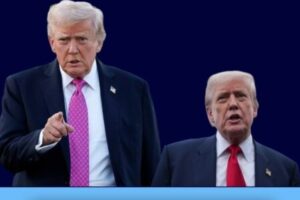



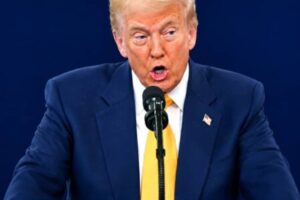
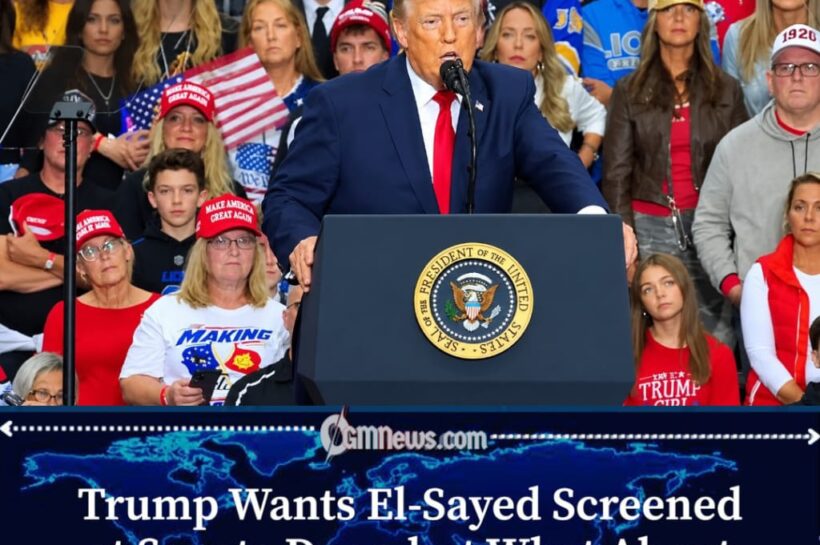


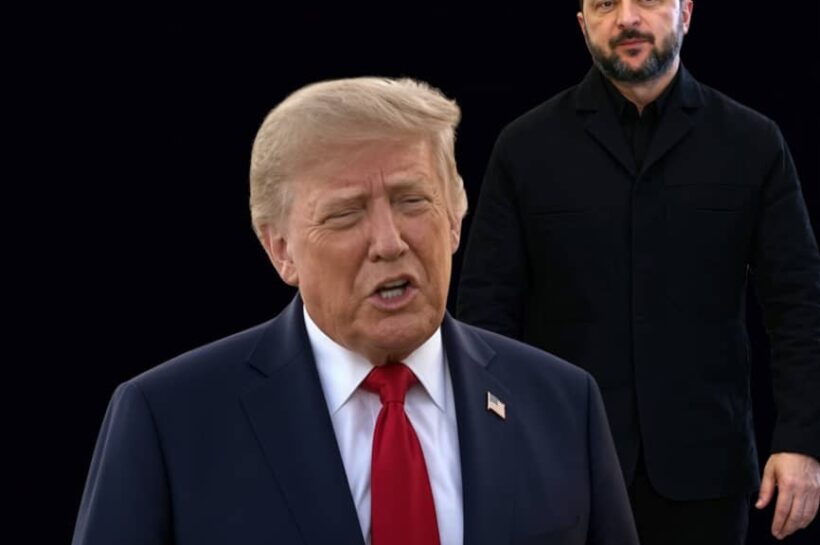




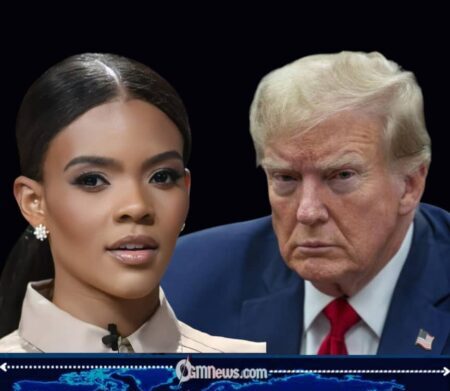
Political commentator Candace Owens has called for President Donald Trump to be removed from office, citing concerns over his recent rhetoric regarding Iran. The remarks, which include calls for invoking the 25th Amendment, come amid intensifying tensions between Washington and Tehran and have added a new dimension to an already volatile political landscape.
The controversy follows statements by Donald Trump warning of severe consequences for Iran, which critics argue could endanger civilians and escalate conflict. Candace Owens’ intervention is particularly notable given her previous alignment with conservative political circles, signaling a widening debate that extends beyond traditional partisan lines.
Owens’ Criticism: A Break From Conservative Alignment
In her response, Candace Owens sharply criticized President Donald Trump, describing his rhetoric as dangerous and calling for immediate constitutional intervention. Her comments reflect growing unease among some commentators regarding the tone and implications of U.S. policy toward Iran.
While the precise wording of widely circulated statements varies across platforms, multiple reports confirm that Candace Owens has publicly expressed strong opposition to the administration’s approach. The intensity of her critique underscores a rare moment of divergence within segments of the conservative media landscape.
Observers note that such criticism from a figure like Candace Owens carries political significance, as it may influence broader public discourse and signal shifts in opinion among key audiences.
Trump’s Iran Rhetoric and International Concerns
The controversy is rooted in recent statements by President Donald Trump, in which he warned of the possibility of devastating consequences for Iran. These remarks have been widely reported by outlets such as The Guardian and The Wall Street Journal, prompting concern among policymakers and international observers.
Critics argue that such rhetoric risks escalating tensions and could be interpreted as targeting civilian infrastructure, raising questions about compliance with international law. Supporters, however, contend that strong language is a strategic tool intended to deter adversaries and prevent further conflict.
The debate highlights the delicate balance between deterrence and escalation in modern geopolitical strategy, particularly in a region as sensitive as the Middle East.
Growing Calls for the 25th Amendment
The call by Candace Owens to invoke the 25th Amendment aligns with a broader pattern of political responses to the situation. Reports indicate that several lawmakers and commentators have raised similar concerns, questioning whether the president’s actions warrant constitutional review.
The 25th Amendment allows for the removal of a sitting president if they are deemed unable to perform the duties of the office. However, constitutional experts emphasize that its application is rare and requires agreement from both the vice president and a majority of the Cabinet.
Historically, the amendment has never been used to remove a U.S. president, making its invocation in this context highly unlikely despite increasing public discussion.
Political and Media Reactions Intensify
The reaction to Candace Owens’ statements has been swift and varied. Some commentators have supported her position, arguing that it reflects legitimate concerns about leadership and decision-making during a period of international tension.
Others have criticized the remarks as overly inflammatory, suggesting that such rhetoric may further polarize an already divided political environment. Coverage from outlets like The Daily Beast highlights how media narratives are shaping public perception of the unfolding situation.
The episode illustrates the increasingly influential role of media personalities in political discourse, particularly in moments of crisis.
A Debate Reflecting Deepening Divisions
The call by Candace Owens for the removal of President Donald Trump underscores the intensity of the current political climate in the United States. While the likelihood of constitutional action remains low, the debate itself reflects broader concerns about leadership, accountability, and the direction of U.S. foreign policy.
As tensions with Iran continue to evolve, the intersection of political commentary, media influence, and constitutional debate is expected to remain a central feature of the national conversation. The situation highlights the challenges of governance in a highly polarized environment, where both rhetoric and policy carry significant global implications.
FoSEnYRcnzkCFxcrkTIkEJxP