



























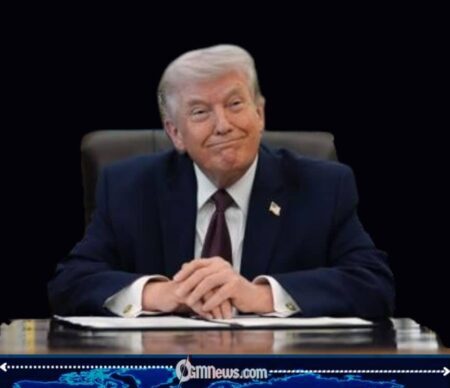
U.S. President Donald Trump, currently serving his second term, has announced plans to introduce a $1.5 trillion defense budget for 2027, marking what analysts describe as the largest annual increase in U.S. military spending since World War II. The proposal reflects a sweeping effort to expand and modernize the nation’s armed forces amid a rapidly shifting global security landscape.
President Donald Trump framed the proposal as a necessary step to ensure that the United States maintains its military superiority. According to officials familiar with the plan, Donald Trump believes that a significant increase in defense funding is essential to counter emerging threats and reinforce America’s global leadership position.
Trump Emphasizes Military Strength and Global Deterrence
President Donald Trump has consistently advocated for a stronger military, and this proposal represents the most ambitious expression of that policy to date. By dramatically increasing defense spending, Donald Trump aims to reinforce a doctrine centered on deterrence ensuring that potential adversaries are discouraged from engaging in conflict with the United States.
In outlining the plan, Donald Trump stressed that the current geopolitical environment requires decisive action. With tensions rising in multiple regions, the administration views expanded military capability as a critical tool for maintaining stability and protecting national interests.
Scale and Scope of the Proposed Budget Increase
The proposed $1.5 trillion budget represents a substantial jump from recent defense spending levels, which have ranged between $900 billion and $1 trillion. This sharp increase underscores the administration’s intent to accelerate military expansion within a short timeframe.
Officials indicate that the funding will be distributed across multiple branches of the armed forces, supporting both immediate operational needs and long-term strategic investments. The crafting of the proposal places it among the most significant defense spending initiatives in modern U.S. history.
Key Investments in Advanced Military Capabilities
A major portion of the budget is expected to focus on advanced military technologies and modernization programs. These include next-generation missile defense systems, expanded naval fleets, and upgraded air combat capabilities.
The plan also simultaneously increased procurement of fighter jets, submarines, and other strategic assets. Such investments are designed to enhance the United States’ ability to operate across multiple domains, from conventional warfare to emerging technological battlegrounds.
Economic Implications and Fiscal Debate
While the proposal has been welcomed by some as a necessary investment in national security, it has also sparked significant economic debate. Critics argue that such a large increase in defense spending could place additional strain on the federal budget and contribute to rising national debt.
President Donald Trump has suggested that alternative revenue streams, including tariffs, could help offset the costs. However, economists remain cautious, noting that the long-term fiscal impact of the proposal will depend on broader economic conditions and legislative decisions.
Congressional Review and Political Challenges
The proposed budget must now pass through Congress, where it is expected to face detailed scrutiny. Lawmakers will examine both the strategic rationale and the financial implications of the plan before deciding whether to approve it.
President Donald Trump will need to secure sufficient political support to move the proposal forward. The debate is likely to involve competing priorities, including domestic spending needs and broader fiscal policy considerations.
Global Impact and Strategic Consequences
If implemented, the $1.5 trillion defense budget would have significant implications for global security. It would further solidify the United States’ position as the world’s leading military power while potentially prompting other nations to increase their own defense spending.
Analysts suggest that the proposal could reshape international relations, influencing alliances and strategic partnerships. At the same time, it raises questions about the global arms competition and the balance between deterrence and escalation.
President Donald Trump’s proposed defense budget represents a defining moment in U.S. policy, combining unprecedented spending with a clear emphasis on military strength. As the plan moves through the legislative process, it is expected to remain a focal point of national and international debate.
The decisions made in the coming months will not only determine the future of U.S. defense strategy but also influence the broader trajectory of global security in an increasingly complex world.

The vibes here are amazing and the winning streaks are real. It feels just like...