



























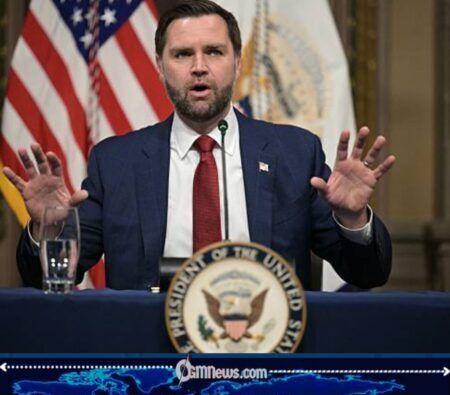
JD Vance has taken center stage in escalating tensions between the United States and Iran, warning that attacks on critical infrastructure could intensify if ongoing negotiations fail. His remarks highlight growing concern within Washington over the lack of progress in diplomatic talks.
Speaking during a high-level policy engagement, Vance stressed that while diplomacy remains the preferred path, the United States is prepared to respond firmly to any perceived threats. He emphasized that failure to reach a deal could trigger a more aggressive phase in the standoff. The Vice President’s statement signals a shift toward stronger rhetoric, reflecting mounting pressure on both sides to either compromise or brace for escalation.
JD Vance Emphasizes Strategic Risks of Infrastructure Attacks
JD Vance drew attention to the increasing role of infrastructure as a target in modern conflicts, noting that such actions could have far-reaching consequences. He explained that disruptions to energy systems, transport networks, and communication lines could destabilize not only Iran but the wider region.
According to Vance, these types of attacks are not merely tactical but carry significant economic and humanitarian implications. This makes them a powerful, yet risky, tool in geopolitical disputes.
By highlighting this possibility, JD Vance appears to be reinforcing the seriousness of the situation while signaling the potential costs of continued deadlock.
JD Vance Aligns With Trump Administration Policy
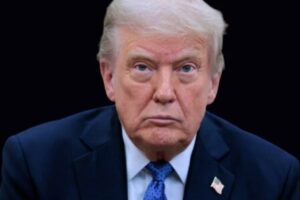
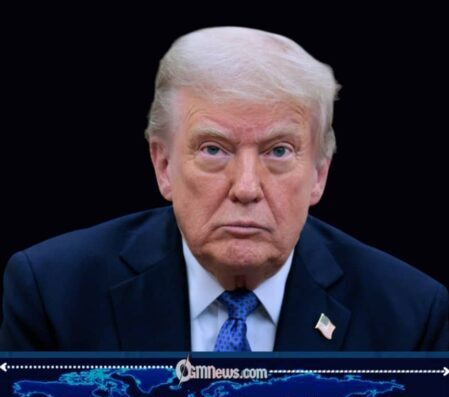
The Vice President’s position closely reflects the foreign policy direction of Donald Trump, who is currently serving a second term as President of the United States. Under this administration, the U.S. has maintained a firm stance on Iran, combining diplomatic outreach with strategic pressure.
JD Vance reiterated that the administration seeks compliance with international standards, particularly regarding nuclear activity and regional security. However, he also made it clear that patience is not unlimited.
His remarks underscore a coordinated approach within the administration, where diplomatic efforts are backed by the possibility of decisive action if negotiations collapse.
JD Vance’s Warning and Iran’s Response
Iranian officials have responded cautiously to the remarks, reiterating their commitment to national sovereignty and warning against external threats.
While not directly addressing Vance’s comments, Tehran has maintained that it will respond proportionately to any escalation.
JD Vance’s warning is likely to intensify scrutiny of Iran’s next moves, especially as negotiations remain fragile. Analysts suggest that both sides are carefully weighing their options to avoid triggering a broader conflict.
The exchange of strong positions highlights the delicate balance currently shaping U.S.-Iran relations.
JD Vance Draws Global Attention to Rising Tensions
JD Vance’s statement has drawn reactions from the international community, with several global leaders urging restraint. Many have expressed concern that targeting infrastructure could have unintended consequences beyond the immediate conflict.
Diplomatic observers note that JD Vance’s remarks may be aimed not only at Iran but also at rallying international support for the U.S. position. By framing the issue in terms of global security, the Vice President is broadening the scope of the discussion.
This approach reflects an effort to maintain pressure while keeping diplomatic channels open.
JD Vance Highlights Uncertain Road Ahead
As negotiations continue without a clear resolution, Vance has made it evident that the current situation remains highly uncertain. His warning underscores the risks associated with prolonged stalemate and the potential for escalation. Despite the strong rhetoric, Vance reiterated that diplomacy remains the preferred option. However, the possibility of more direct confrontation cannot be ruled out if talks fail.
The coming weeks are expected to be critical, as both sides determine whether to pursue compromise or risk a deeper conflict with far-reaching global implications.


[…] […]