








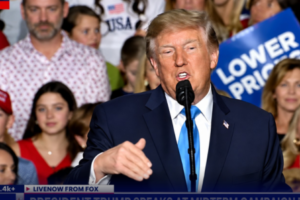




















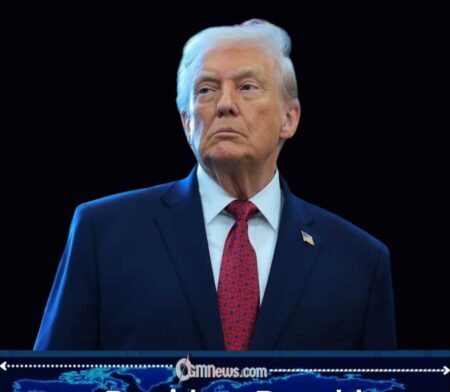
President Donald Trump has called on Republicans to “terminate the filibuster,” reigniting a long-standing debate over one of the Senate’s most powerful procedural rules. President Donald Trump’s statement signals a shift in tone, as the filibuster has historically been both defended and criticized by members of both major political parties depending on their position in power.
The filibuster, which requires a supermajority of 60 votes in the Senate to advance most legislation, has been a cornerstone of American legislative procedure for decades. Supporters argue it protects minority rights, while critics say it enables gridlock and prevents decisive action on critical issues.
Trump’s remarks have added urgency to the conversation, particularly among Republican lawmakers who may now face increased pressure to take a clearer stance. The debate is expected to intensify as legislative priorities continue to stall in a deeply divided Congress.
Background on the Filibuster Debate
President Donald Trump’s comments come amid renewed scrutiny of Senate rules, with lawmakers from both parties previously expressing frustration over stalled bills. President Donald Trump has framed the filibuster as an obstacle to advancing key Republican policies, urging swift action to remove it.
Historically, the filibuster has been used by both Democrats and Republicans to block legislation, making it a politically sensitive issue. Changes to the rule would fundamentally alter how laws are passed, shifting the balance of power in the Senate.
Despite repeated discussions, efforts to eliminate or reform the filibuster have faced resistance, particularly from senators who value its role in encouraging bipartisan compromise.
Political Reactions Across Party Lines
President Donald Trump’s call has drawn mixed reactions within the Republican Party, highlighting divisions over strategy and long-term consequences. President Donald Trump’s position is supported by some conservatives who believe decisive legislative action is necessary to implement their agenda.
Others within the party have expressed caution, warning that eliminating the filibuster could backfire when political control shifts. They argue that preserving the rule provides stability and ensures that major legislation has broader support.
Democrats, meanwhile, have responded with their own perspectives, with some pointing out the inconsistency in positions over time, as both parties have alternately defended and opposed the filibuster.
President Donald Trump and Republican Strategy
President Donald Trump has increasingly positioned himself as a driving force behind calls for procedural reform, using his platform to influence party direction. President Donald Trump’s stance reflects a broader push among some Republicans to prioritize efficiency over tradition in legislative processes.
The strategic implications of such a move are significant, as eliminating the filibuster would allow a simple majority to pass most legislation. This could accelerate policy changes but also increase political volatility.
Party leaders are now faced with the challenge of balancing immediate political gains against potential long-term risks, as the consequences of such a decision would extend beyond a single administration.
Institutional Implications for the Senate
President Donald Trump’s proposal has reignited concerns about the institutional integrity of the Senate and its role in the federal government. President Donald Trump’s critics argue that removing the filibuster could undermine the chamber’s unique function as a deliberative body.
Supporters counter that the current system is outdated and fails to reflect modern political realities, where partisan divisions often prevent meaningful progress. They see reform as a necessary step toward a more functional legislative process.
The debate ultimately centers on whether the Senate should prioritize efficiency or maintain its traditional safeguards, a question that has become increasingly pressing in recent years.
Broader Impact on U.S. Governance
President Donald Trump’s call to eliminate the filibuster could have far-reaching implications for American governance. President Donald Trump’s influence on the issue underscores the role of political leadership in shaping institutional change.
If adopted, such a reform would likely lead to a surge in legislative activity, as the threshold for passing bills would be significantly lowered. This could result in rapid policy shifts depending on which party holds power.
As discussions continue, the future of the filibuster remains uncertain, with lawmakers weighing the potential benefits of reform against the risks of altering a long-standing legislative tradition.


Casinoabc999? Good Site. The interface is sleek, and there is a lot of stuff to...