























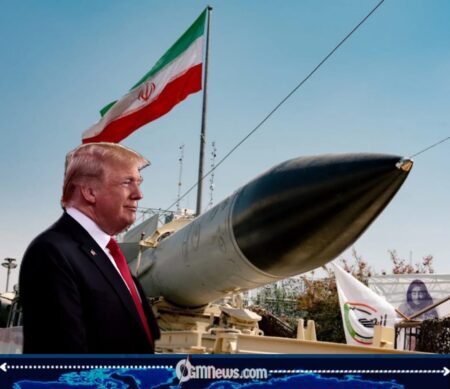
Donald Trump, the current President of the United States serving a second term, revealed that the U.S. government was previously unaware that Iran possessed the capability to launch a missile with a range of up to 2,700 miles. The disclosure has raised concerns among policymakers, defense experts, and international allies about potential gaps in intelligence gathering and the evolving nature of Iran’s military capabilities.
President Trump’s remarks come amid heightened geopolitical tensions in the Middle East, with analysts warning that such developments could significantly alter the strategic balance in the region. The revelation underscores the need for reassessment of defense strategies and intelligence-sharing frameworks among allied nations.
Intelligence Gaps Spark National Security Concerns
The acknowledgment by President Trump has drawn attention to possible shortcomings in U.S. intelligence systems. Security analysts argue that failing to detect such a significant advancement in missile capability suggests a need for deeper scrutiny of how intelligence is gathered, analyzed, and shared among agencies.
Experts in International Relations emphasize that modern warfare increasingly relies on technological advancements that can be developed in secrecy. Iran’s alleged progress in missile technology may have occurred through covert programs, making detection more challenging for foreign intelligence services.
The situation has prompted calls within Washington for a comprehensive review of intelligence operations, with some lawmakers advocating increased funding and modernization of surveillance technologies to prevent similar oversights in the future.
Iran’s Expanding Missile Program in Focus: Donald Trump Denies Awareness
Iran’s missile program has long been a point of contention in global diplomacy. The country has consistently maintained that its military developments are defensive in nature. However, the newly highlighted 2,700-mile range capability places parts of Europe, Asia, and potentially beyond within reach, intensifying international concerns.
Specialists in Defense Studies note that such advancements could enhance Iran’s deterrence posture while simultaneously escalating tensions with rival nations. The development also raises questions about compliance with international agreements and the effectiveness of existing sanctions.
Regional actors are closely monitoring the situation, as the expansion of missile capabilities could influence military planning and alliances across the Middle East and neighboring regions.
Strategic Implications for Donald Trump and Allies
The revelation has significant implications for U.S. defense strategy and its commitments to allies. A missile with a 2,700-mile range could potentially alter threat assessments and require adjustments in missile defense systems deployed across various regions.
Defense officials are reportedly reassessing the capabilities of current systems designed to intercept long-range missiles. This includes evaluating the readiness and coverage of defense installations in Europe and the Middle East.
For NATO and other allied partnerships, the development underscores the importance of coordinated defense planning. Experts argue that intelligence-sharing mechanisms must be strengthened to ensure that emerging threats are identified and addressed promptly.
Political Reactions and Policy Debates
President Trump’s statement has triggered varied reactions across the political spectrum. Some policymakers view the acknowledgment as a transparent admission that could lead to necessary reforms, while others see it as a concerning indication of intelligence vulnerabilities.
Within Congress, discussions are intensifying budget allocations for defense and intelligence agencies. Lawmakers are weighing the need for increased investment against broader fiscal priorities, highlighting the complex balance between security and economic considerations.
The issue has also become a focal point in broader debates about U.S. foreign policy, particularly regarding engagement with Iran and the use of diplomatic versus military approaches to address security challenges.
Global Response and Diplomatic Outlook
International reactions to the development have been measured but attentive. Allies in Europe and Asia are seeking clarification on the extent of Iran’s capabilities and the potential risks posed by the reported missile range.
Diplomats stress the importance of maintaining open channels of communication to prevent escalation. There are renewed calls for multilateral discussions aimed at addressing missile proliferation and reinforcing existing agreements.
As the situation evolves, the global community faces the challenge of balancing deterrence with diplomacy. The coming months are expected to be critical in determining whether this revelation leads to heightened tensions or serves as a catalyst for renewed international cooperation.
The Road Ahead for U.S. Intelligence and Security
The disclosure by President Trump may ultimately serve as a turning point for U.S. intelligence and national security policy. Analysts suggest that addressing the identified gaps will require not only technological upgrades but also structural reforms within intelligence agencies.
Emphasis is likely to be placed on integrating advanced data analytics, artificial intelligence, and enhanced collaboration with international partners. Such measures could improve the ability to detect and respond to emerging threats in real time.
As global security dynamics continue to evolve, the incident highlights the importance of vigilance, adaptability, and cooperation in safeguarding national and international stability.


The weekly tournaments here keep me coming back because the prize pools are surprisingly generous....