





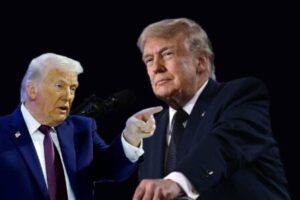




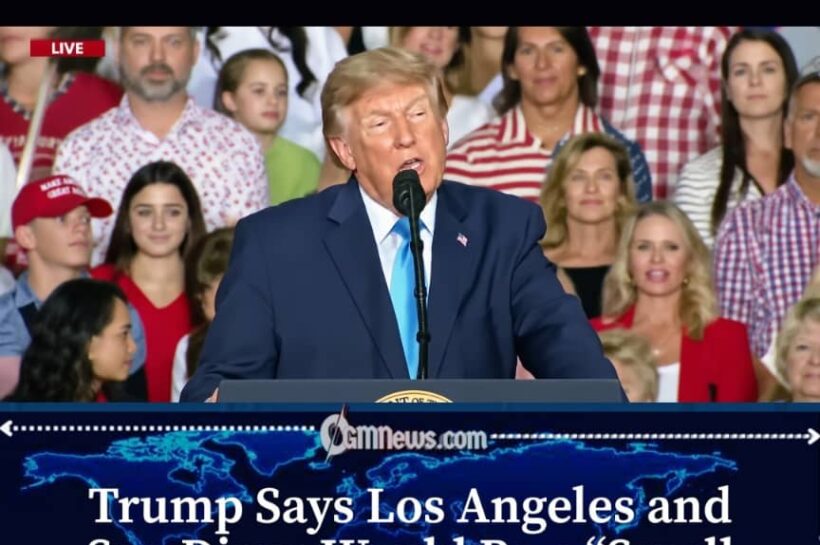





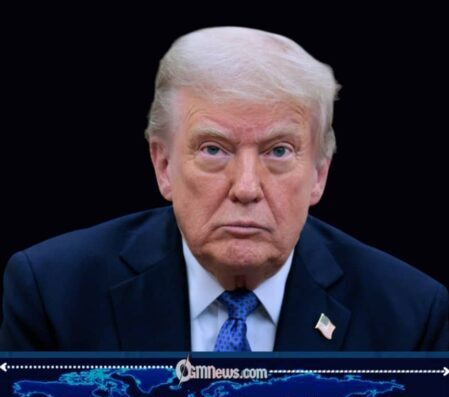
President Donald Trump has ignited fresh political debate after stating that “any farmer that votes for a Democrat is crazy,” a comment that underscores the deepening divide in U.S. rural politics. The remark, delivered in a campaign-style context and widely circulated across media platforms, reflects a broader effort to solidify support among agricultural communities.
The statement quickly drew attention from political analysts, advocacy groups, and commentators, many of whom view it as emblematic of the increasingly sharp rhetoric defining American political discourse. While supporters interpret the remark as a defense of agricultural interests, critics argue it oversimplifies the complex realities facing farmers.
A Familiar Strategy: Appealing to Rural America
President Donald Trump has long positioned himself as a champion of rural America, particularly farmers and agricultural workers. His messaging frequently emphasizes opposition to Democratic policies, which he argues impose regulatory burdens and threaten traditional farming livelihoods.
This approach aligns with longstanding political trends. Farmers, especially in the Midwest, have historically leaned Republican, forming a critical voting bloc in national elections. By framing the political choice in stark terms, Trump’s statement reinforces partisan alignment and seeks to energize his base ahead of key electoral cycles.
At the same time, analysts note that such rhetoric is often calibrated for political rallies, where direct and emphatic language resonates strongly with audiences.
Economic Realities: A More Complex Picture for Farmers
Despite strong political affiliations, the economic landscape for American farmers remains multifaceted. Trade policies, fluctuating commodity prices, and global market dynamics all play a significant role in shaping their decisions.
During previous administrations led by President Donald Trump, trade disputes particularly with China created challenges for agricultural exports. In response, the federal government introduced substantial subsidy programs to offset losses, a move that drew both praise and criticism.
Some farmers viewed these interventions as necessary support, while others expressed concern about long-term sustainability. As a result, voting behavior within the farming community cannot be attributed solely to political rhetoric.
Political Reactions: Support and Criticism Emerge
The statement has elicited mixed reactions across the political spectrum. Supporters argue that it reflects genuine frustration with policies they believe in disadvantaged farmers, including environmental regulations and taxation frameworks.
Critics, however, contend that labeling voters as “crazy” risks alienating segments of the agricultural community who hold diverse political views. They argue that such language contributes to polarization and detracts from substantive policy discussions.
Political observers note that sharp rhetoric has become a defining feature of modern campaigning, with both major parties increasingly using direct language to mobilize supporters.
The Role of Agriculture in U.S. Elections
Agriculture remains a pivotal issue in American politics, particularly in swing states where rural voters can influence electoral outcomes. Policies related to trade, subsidies, climate change, and land use are central to political debates involving farmers.
President Donald Trump has consistently framed his policies as protective of American agriculture, contrasting them with Democratic approaches that emphasize environmental sustainability and regulatory oversight.
This divergence highlights the broader ideological divide between the two parties, making agriculture not only an economic issue but also a cultural and political one.
Broader Implications: Rhetoric and Democratic Engagement
The controversy surrounding the remark raises broader questions about political communication and voter engagement. While strong language can energize supporters, it may also deepen divisions and limit opportunities for bipartisan dialogue.
For many farmers, decisions at the ballot box are influenced by a range of factors, including economic conditions, policy outcomes, and personal values. Simplifying these choices risks overlooking the diversity of perspectives within rural communities.
As the political landscape continues to evolve, statements like this serve as a reminder of the challenges in balancing effective campaigning with inclusive and respectful discourse.
Looking Ahead:A Reflection of Divided Political Times
President Donald Trump’s remark has once again brought attention to the intersection of politics and agriculture in the United States. While it resonates with some supporters, it also underscores the complexities and divisions that characterize modern political debate.
Ultimately, the response from farmers and policymakers alike will shape how such rhetoric influences future elections and policy discussions. As the nation moves forward, the voices of rural communities will remain central to the broader political conversation.

[…] […]