














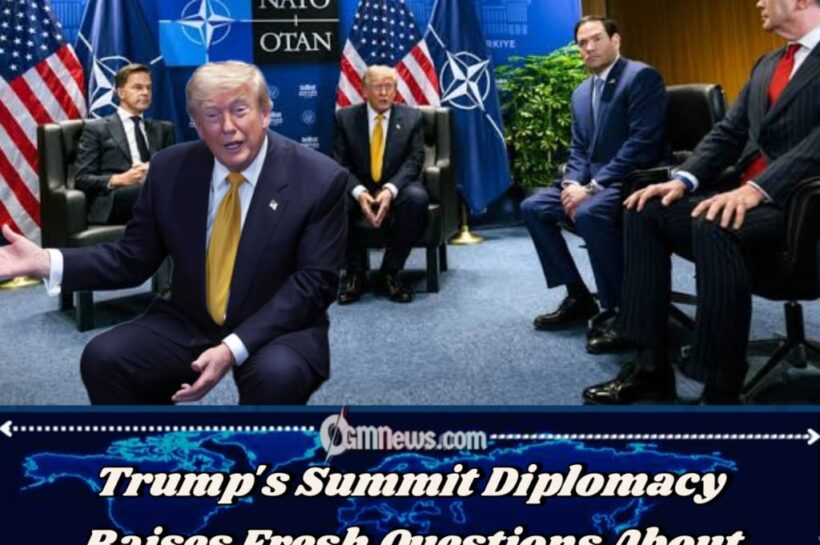









Pentagon officials are weighing the possibility of sending additional troops to the Middle East as tensions continue to rise across the region. Pentagon leaders emphasized that any decision would be based on evolving security assessments and the need to protect U.S. personnel and interests.
The deliberations come amid ongoing instability, with concerns about potential threats to American forces, allied nations, and critical infrastructure. Military planners are closely monitoring developments and evaluating possible responses.
Officials have indicated that no final decision has been made, but preparations are underway to ensure readiness should deployment orders be issued.
Background to Current Security Concerns
Pentagon representatives pointed to a series of recent incidents that have heightened security concerns in the Middle East. Pentagon officials noted that these developments require careful analysis and a coordinated response.
The region has long been a focal point of geopolitical tension, with conflicts involving multiple actors and shifting alliances. These dynamics have created a complex security environment that demands constant attention.
Military experts say that maintaining a presence in the region is often seen as a way to deter potential threats and reassure allies.
Pentagon Evaluates Strategic Options
Pentagon leaders are assessing a range of strategic options, including troop deployments, enhanced surveillance, and increased coordination with allied forces. Pentagon officials emphasized that flexibility is key in responding to rapidly changing conditions.
Decisions about troop levels typically involve considerations such as mission objectives, logistical capacity, and potential risks. Each factor plays a role in shaping the final outcome.
Pentagon planners are also examining how additional forces could be integrated into existing operations without escalating tensions unnecessarily.
Regional and International Reactions
Countries across the Middle East are closely watching the situation, with some expressing concern about the potential for increased military activity. Others have indicated support for measures aimed at maintaining stability.
Allied nations are likely to play a role in any coordinated response, particularly in areas such as intelligence sharing and joint operations. International organizations have also called for restraint and dialogue.
Analysts suggest that any increase in troop presence could have diplomatic implications, influencing relationships across the region.
Pentagon Faces Policy and Political Considerations
Pentagon officials acknowledged that decisions about troop deployments involve both military and political considerations. Pentago leaders must balance operational needs with broader policy objectives.
Lawmakers and policymakers are expected to weigh in on the issue, particularly regarding the scope and duration of any potential deployment. Public opinion may also influence the decision-making process.
Pentagon authorities have stressed the importance of transparency and communication in addressing concerns and maintaining trust.
Looking Ahead to Possible Outcomes
The situation remains fluid, with developments in the region likely to shape the Pentago’s next steps. Military readiness continues to be a priority as officials prepare for a range of scenarios.
Experts note that any decision to send additional troops would signal a significant shift in strategy, potentially affecting regional dynamics and global perceptions.
As discussions continue, the focus remains on ensuring security while avoiding actions that could lead to further escalation in an already volatile environment.

https://shorturl.fm/vJtLQ