




























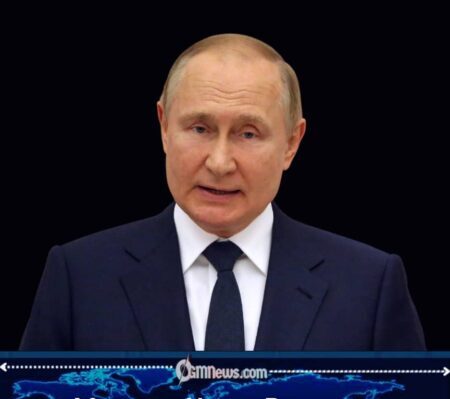
Russia has called on the United States, Israel, and Iran to “immediately” end ongoing hostilities, as fears grow over the widening conflict and its global consequences. The appeal, issued by officials in Moscow, reflects increasing international concern about the humanitarian, economic, and geopolitical risks posed by the escalating war.
The call comes at a time when military operations across the Middle East have intensified, with strikes targeting key infrastructure and high-ranking officials. As tensions rise, global powers are stepping up diplomatic efforts to prevent further deterioration of the situation.
While the United States under President Donald Trump, currently serving a second term continues its strategic operations alongside Israel, Russia’s intervention highlights the growing urgency among world leaders to seek a path toward de-escalation.
Russia Calls for Immediate Ceasefire
Russian officials have formally urged all parties involved in the conflict to halt military operations without delay. The Kremlin emphasized that continued fighting risks deepened instability in an already volatile region.
Moscow’s statement stressed the importance of diplomacy over military escalation, calling for negotiations to replace armed confrontation. Russian authorities warned that failure to act quickly could result in consequences that extend far beyond the Middle East.
The appeal aligns with Russia’s broader foreign policy stance advocating for political solutions to conflicts, even as it navigates its own strategic interests in the region.
Kremlin Condemns Strikes on Iranian Targets
In addition to calling for a ceasefire, Russia has strongly criticized recent strikes carried out against Iranian targets. Officials in Moscow described attacks on key figures and infrastructure as dangerous developments that could escalate tensions further.
Reports of high-profile casualties, including senior Iranian officials, have intensified international reactions. Russia has warned that targeting leadership figures risks destabilizing governance structures and could trigger broader retaliation.
Such developments, according to Russian officials, underscore the urgency of halting hostilities before the conflict spirals into a wider regional crisis.
Russia’s Dual Role: Mediator and Strategic Partner
While positioning itself as a voice for de-escalation, Russi maintains complex ties with Iran. Analysts note that Moscow has longstanding political, economic, and military relationships with Tehran, which influence its stance on the conflict.
Reports from international outlets suggest that Russia has provided varying forms of support to Iran, including intelligence and technological cooperation. This dual role as both a strategic partner and a diplomatic advocate adds complexity to Russia’s call for peace.
Despite these ties, Russi has continued to present itself as a potential mediator, offering to facilitate dialogue between the parties involved in the conflict.
Impact on Global Energy and Security
The ongoing war has already begun to affect global markets, particularly in the energy sector. Strikes on critical infrastructure, including major gas facilities, have raised concerns about supply disruptions and price volatility.
Energy analysts warn that instability in the region could lead to prolonged fluctuations in oil and gas prices, with ripple effects on global economies. Countries heavily dependent on energy imports are especially vulnerable to such disruptions.
Beyond economics, security experts caution that continued escalation could draw in additional actors, increasing the risk of a broader international confrontation.
Diplomatic Pressure and the Path Forward
Russia’s call for an immediate end to the war adds to a growing chorus of international voices urging restraint. Global leaders, humanitarian organizations, and diplomatic institutions have all emphasized the need for dialogue.
However, achieving a ceasefire remains a complex challenge. Each party involved has strategic objectives that may complicate negotiations, making a swift resolution uncertain.
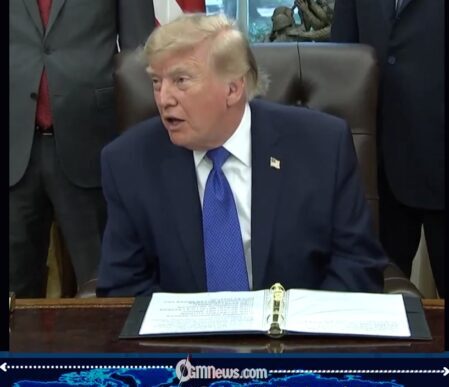
As President Donald Trump and other global leaders weigh their next steps, the coming days are expected to be critical in determining whether diplomatic efforts can succeed in preventing further escalation.
[…] […]