
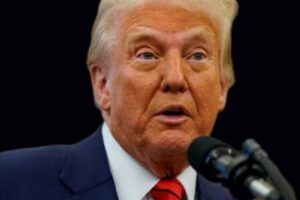














U.S. President Donald Trump has requested a delay to a planned summit with China, citing the ongoing war involving Iran as a pressing reason to remain in Washington. The decision comes amid heightened geopolitical tensions and growing scrutiny over the administration’s handling of the conflict.
Standing alongside Vice-President JD Vance for the first time in two weeks, Trump sought to project unity within his administration. This followed reports suggesting internal skepticism, particularly from Vance, regarding the U.S.-backed military campaign against Iran. Both leaders, however, publicly rejected any notion of division.
Diplomatic Shift: Beijing Visit Put on Hold
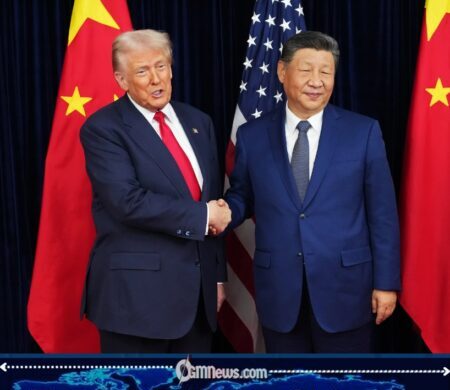
Trump confirmed that his administration had approached Xi Jinping to postpone a scheduled summit in Beijing, originally set for the end of March. He emphasized that the demands of wartime leadership required his presence in the United States, underscoring the gravity of the current conflict.
While expressing optimism about maintaining strong ties with China, Trump reiterated that the war effort must take precedence. The postponement signals a recalibration of diplomatic priorities, as Washington balances international engagement with active military operations.
Conflict Outlook: Confidence Tempered by Reality
The president maintained that the war, which began on 28 February with coordinated U.S. and Israeli actions, was progressing toward a favorable outcome. Trump described the campaign as nearing success, citing significant damage inflicted on Iran’s military and infrastructure.
However, his projections appeared cautious when pressed on timelines. Acknowledging that the conflict might extend beyond the immediate week, Trump’s remarks reflected a more measured outlook, even as he continued to predict eventual victory.
Strait of Hormuz Crisis and Global Oil Concerns
A major escalation in the conflict has been Iran’s effective blockade of the Strait of Hormuz, a vital corridor for approximately 20% of global oil shipments. The disruption has triggered a surge in oil prices and heightened fears of broader economic fallout.
Trump has called on Western allies and international partners, including China, to assist in reopening the strategic waterway. The situation has underscored the global stakes of the conflict, extending its impact far beyond the immediate region.
Allied Relations Tested Amid Military Requests
President Trump openly criticized allies perceived as reluctant to provide naval support in securing the strait. He singled out the United Kingdom and its prime minister, Keir Starmer, urging faster and more decisive action.
Trump’s remarks highlighted tensions within traditional alliances, as countries weigh the risks of deeper involvement. His appeal for minesweepers and naval deployments reflects Washington’s urgency in stabilizing maritime routes critical to global trade.
Iran’s Expanding Response and Regional Risks
Iran’s retaliation has extended beyond maritime disruption, with missile strikes reported in Gulf states such as the United Arab Emirates, Qatar, Kuwait, and Bahrain—countries hosting U.S. military installations. These developments have broadened the conflict’s scope and intensified regional instability.
Trump acknowledged that such actions were not widely anticipated, noting the complexity of Iran’s relationships with neighboring states. The attacks have raised concerns about further escalation and the potential for a wider regional confrontation.
Vance Pushes Back on Rift With Trump Narrative
Vice-President JD Vance dismissed suggestions of internal disagreement, accusing critics of attempting to create division within the administration. He expressed strong confidence in Trump’s leadership, contrasting it with past U.S. military engagements.
While acknowledging his previously cautious stance on foreign interventions, Vance framed the current conflict as distinct, emphasizing trust in the president’s judgment. Trump, in turn, praised Vance’s understanding of the stakes, particularly regarding concerns over Iran’s nuclear ambitions.

https://shorturl.fm/4o5HL