
























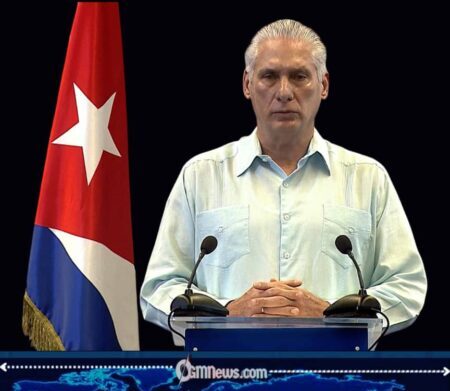
Cuba’s President, Miguel Díaz‑Canel, has warned that the island’s deepening energy crisis is severely affecting its healthcare system, with tens of thousands of patients waiting for surgical procedures that cannot be carried out due to electricity shortages. According to Díaz-Canel, the problem stems largely from restrictions on oil supplies linked to U.S. sanctions and pressure on fuel shipments to the Caribbean nation.
The Cuban leader said the lack of reliable electricity has disrupted hospital operations nationwide, leaving operating rooms idle and essential medical equipment unusable during extended power outages. Among those affected, officials say, are many children requiring urgent or specialized procedures, raising concern about the humanitarian consequences of the ongoing energy and economic crisis.
A Growing Backlog in Cuba’s Hospitals
Cuban authorities report that the number of postponed operations has risen sharply in recent months as the country’s electricity supply becomes increasingly unstable. Hospitals rely heavily on steady power for surgical lighting, sterilization equipment, monitoring systems, and intensive-care machines.
Health officials say that while emergency procedures are still attempted whenever possible, elective and non-urgent surgeries have been repeatedly postponed, creating a mounting backlog across the national health system. Patients suffering from orthopedic injuries, gallbladder disease, hernias, and other treatable conditions are among those waiting for operations.
The Cuban government has also highlighted the impact on pediatric care. A significant portion of those awaiting surgery are children who require procedures ranging from congenital corrections to trauma-related interventions, officials said.
Energy Shortages and the Oil Supply Crisis
The healthcare disruption comes amid one of Cuba’s most severe energy crises in decades. Aging power plants, fuel shortages, and economic constraints have combined to reduce electricity generation across the island.
President Díaz-Canel has said that oil shipments to Cuba have sharply declined due to pressure from the United States on companies and countries that might supply the island with fuel. He argues that these measures effectively create an “oil blockade” that limits Cuba’s ability to keep power plants running.
As a result, many regions of the country now face daily electricity outages lasting several hours, with some communities experiencing blackouts lasting more than half a day. The interruptions affect not only hospitals but also food refrigeration, public transportation, schools, and communications.
Washington’s Position on Sanctions
The United States government maintains that its policies toward Cuba are aimed at encouraging democratic reforms and accountability within the island’s political system. Officials in Washington have consistently argued that Cuba’s economic difficulties stem largely from internal policy failures and structural inefficiencies, rather than sanctions alone.
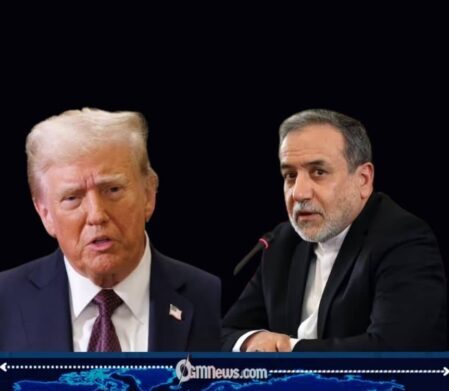
President Donald Trump, currently serving a second term as U.S. president, has continued to enforce and expand measures targeting Cuba’s access to international financing and energy supplies. Supporters of these policies say they are intended to pressure the Cuban government to implement political and economic reforms.
Cuban officials, however, dispute that argument, stating that the restrictions make it extremely difficult to import fuel, medical supplies, and industrial equipment, thereby worsening the island’s humanitarian and economic challenges.
Blackouts Trigger Public Frustration
The persistent electricity shortages have sparked growing frustration among Cuban citizens, many of whom already face shortages of food, medicine, and basic goods. In recent months, small demonstrations and local protests have occurred in several towns where prolonged blackouts have disrupted daily life.
Residents have voiced concerns about the impact on schools, businesses, and hospitals. For families with relatives awaiting surgery, the uncertainty surrounding the health system’s capacity has added another layer of anxiety.
Authorities have acknowledged the difficulties but say the government is working to stabilize the power grid through emergency measures, including repairs to aging power plants, energy-saving programs, and efforts to expand renewable energy sources.
Diplomatic Tensions and Possible Talks
Despite the sharp political disagreements, both Havana and Washington have signaled a cautious willingness to maintain communication channels. Cuban officials say discussions with U.S. representatives have occasionally taken place regarding migration, security cooperation, and humanitarian concerns.
Analysts note that the energy crisis could become a central topic in future diplomatic exchanges, particularly as the humanitarian effects including delays in healthcare services draw increased international attention.
For now, however, Cuba’s hospitals continue to operate under severe constraints, with medical professionals attempting to prioritize urgent cases while thousands of patients wait for electricity conditions to improve.


https://shorturl.fm/XPOeg