












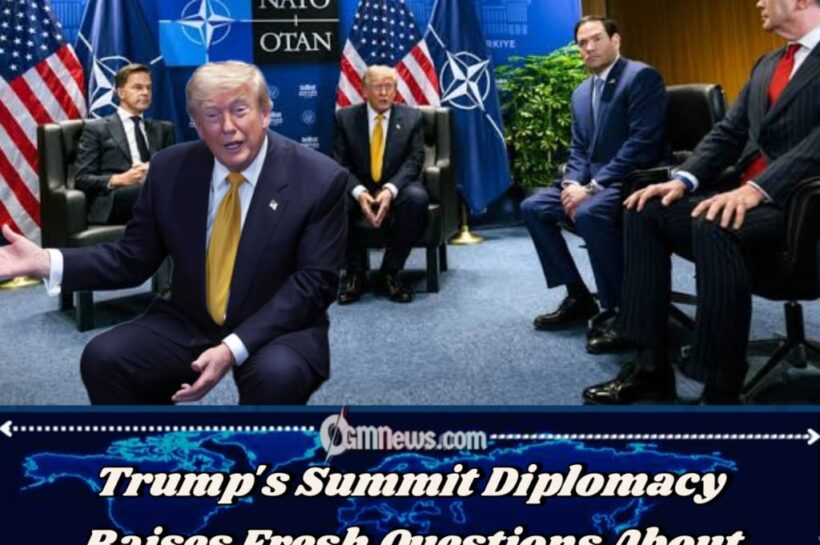




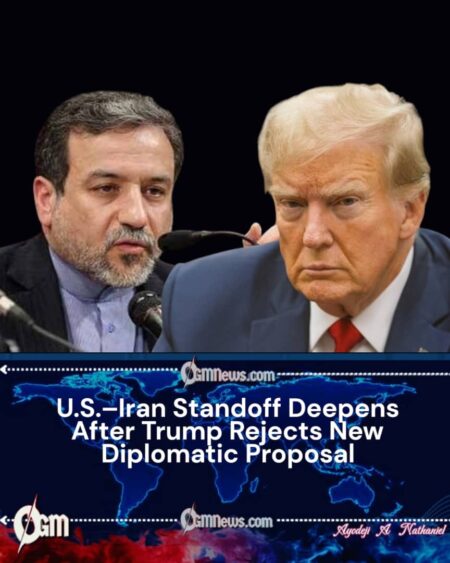
Donald Trump, currently serving a second term as President of the United States, has rejected diplomatic initiatives from several Middle Eastern allies who attempted to broker talks aimed at ending the escalating conflict between Washington and Tehran. According to international media reports, countries such as Oman and Egypt quietly tried to facilitate negotiations between the United States and Iran.
However, sources familiar with the discussions say Donald Trump declined the mediation efforts at this stage. Officials within the administration reportedly believe that engaging in negotiations too early could reduce Washington’s leverage while military operations and strategic pressure are still ongoing.
Analysts say the decision by Donald Trump reflects a broader strategy to increase pressure on Iran before considering any diplomatic settlement. The administration appears to be seeking a position of strength before entering into negotiations.
Donald Trump Signals Continued Pressure on Iran
In recent policy statements, Donald Trump has indicated that the United States will continue to maintain strong pressure on Iran. Administration officials say the strategy is designed to weaken Iran’s military capabilities and reduce its ability to threaten U.S. interests and allies in the region.
Supporters of Donald Trump argue that maintaining pressure is necessary to achieve long-term stability in the Middle East. They say early negotiations could allow Iran to avoid making meaningful concessions on security concerns and regional activities.
Critics, however, warn that the approach taken by Donald Trump may prolong the conflict and make diplomatic resolution more difficult if tensions continue to escalate.
Iran Rejects Ceasefire Without End to U.S. and Israeli Attacks
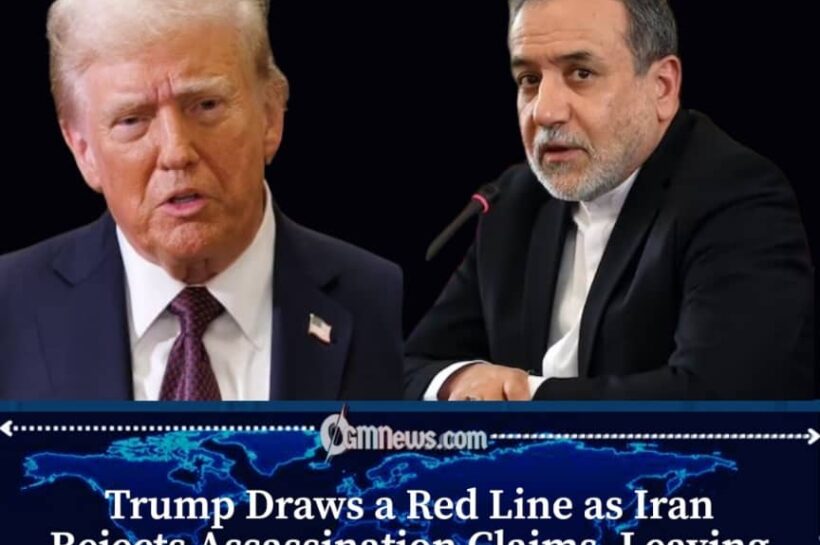
Iranian officials have also rejected calls for a ceasefire unless U.S. and Israeli military operations stop completely. According to reports from international news agencies, Tehran insists that it will not enter negotiations while under active military pressure.
Iranian leaders say that agreeing to talks under such conditions would weaken their negotiating position and undermine national sovereignty. As a result, Iranian authorities have warned that retaliatory actions will continue if strikes against Iranian targets persist.
This firm stance has created a diplomatic stalemate between Washington and Tehran, with both sides demanding concessions before negotiations can begin.
Diplomatic Deadlock Raises Risk of Prolonged Conflict
The refusal of both governments to engage in early negotiations has raised concerns among international observers that the conflict could become prolonged. Analysts warn that without diplomatic engagement, the chances of escalation may increase as military operations continue.
Several governments and international organizations have urged both sides to reopen communication channels in order to reduce tensions. However, the current strategy under Donald Trump suggests that Washington is prioritizing military and strategic pressure over immediate diplomacy.
Experts say the situation could remain unstable unless a new diplomatic initiative emerges that both sides are willing to consider.
Global Economic and Security Concerns Intensify
The conflict has already begun to affect global economic and security conditions, particularly in the energy sector. Rising tensions around the Strait of Hormuz a vital global oil shipping route have raised concerns about possible disruptions to international energy supplies.
Economic analysts warn that continued instability in the region could lead to higher oil prices and broader economic uncertainty worldwide. Governments across Europe and Asia have urged restraint while encouraging renewed diplomatic engagement.
Despite these concerns, Donald Trump has continued to emphasize that the United States will protect international shipping routes and maintain pressure on Iran until American strategic objectives are achieved.

https://shorturl.fm/vJtLQ