



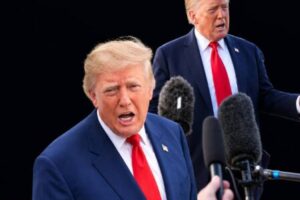












Senator Lindsey Graham has emerged as a central figure in the ongoing debate over Iran’s nuclear program, issuing pointed warnings about the potential for decisive U.S. action. The senior lawmaker emphasized that, in the event of conflict, the United States would take steps to “obliterate” Iran’s nuclear capabilities. President Donald Trump, currently serving a second term, echoed this tough stance, asserting that Iran’s nuclear program had already been “obliterated” and dismissing any opposing claims as “fake news.”
Lindsey Graham’s Hardline Message
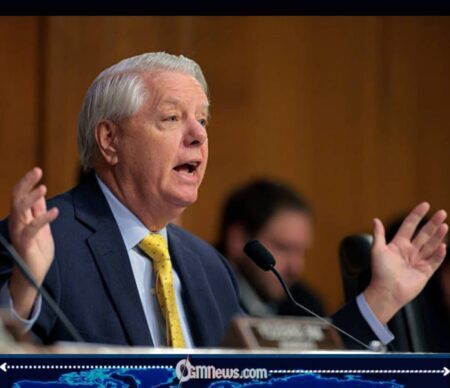
Senator Lindsey Graham, known for his strong positions on national security, underscored the gravity of the threat posed by Iran’s nuclear program.
“When this is over, we’re going to obliterate [Iran’s] nuclear program,” he declared, sending a clear signal of U.S. resolve.
Graham’s remarks reflect his longstanding advocacy for a firm U.S. posture in the Middle East. Analysts note that such statements are designed both to reassure allies and to pressure Iran into compliance with international nuclear agreements.
Alignment with the President’s Position
Graham’s comments align closely with President Trump’s assertions. In June, Trump claimed that Iran’s nuclear program had been “obliterated,” labeling any dissenting opinions as “fake news.” The senator’s echoing of the president’s rhetoric reinforces the administration’s narrative of strength and deterrence.
Political observers say this alignment also highlights the influence of Graham and like-minded lawmakers in shaping U.S. foreign policy toward Iran, signaling continuity between congressional hardliners and executive priorities.
Domestic Political Reactions
Within the United States, Senator Lindsey Graham’s statements have drawn attention across party lines. Republicans have largely praised the senator for his decisive language, framing it as a demonstration of U.S. leadership and security vigilance.
Democratic critics, however, have raised concerns that such rhetoric may increase the risk of conflict and complicate ongoing diplomatic efforts. Congressional committees are reportedly reviewing intelligence assessments to evaluate the real status of Iran’s nuclear capabilities.
International Response to Graham’s Warning
The international community has closely watched Senator Lindsey Graham’s pronouncements. European allies have expressed cautious support for efforts to prevent nuclear proliferation but have emphasized the need for diplomacy over confrontation.
Iran, in contrast, has rejected Graham’s claims, stating that its nuclear activities are peaceful. United Nations officials continue to advocate for verification and restraint, highlighting the delicate balance between deterrence and escalation.
Intelligence and Verification Challenges
Experts emphasize the critical role of intelligence in assessing the situation Graham addresses. While the senator and the president describe the program as “obliterated,” independent monitoring remains essential.
The International Atomic Energy Agency (IAEA) provides inspections and satellite data, but analysts caution that political rhetoric may not fully reflect the nuanced realities on the ground. Senator Graham’s comments, therefore, represent a combination of political signaling and genuine national security concern.
Strategic Implications for the Middle East
Senator Lindsey Graham’s hardline stance carries implications for regional stability. U.S. allies, including Israel and Gulf nations, have historically viewed Iran’s nuclear ambitions with apprehension. Graham’s assertive messaging could reassure these partners but also risks heightening tensions in an already volatile region.
Military and diplomatic planners must balance deterrence with engagement, ensuring that statements by leaders like Graham do not inadvertently trigger conflict. The senator’s influence highlights the interplay between congressional advocacy and executive decision-making in U.S. foreign policy.
Continuing Debate and Outlook
Senator Lindsey Graham remains at the center of the debate over Iran’s nuclear program, using his platform to advocate for strong U.S. measures. The coming months are likely to see continued scrutiny of both Iran’s nuclear activities and U.S. strategies for containment.
Observers note that Graham’s warnings will shape both domestic political discussion and international perceptions, emphasizing the importance of verified intelligence and careful diplomacy. The challenge remains to reconcile political rhetoric with actionable, evidence-based policy to ensure global security.


The vibes here are amazing and the winning streaks are real. It feels just like...