




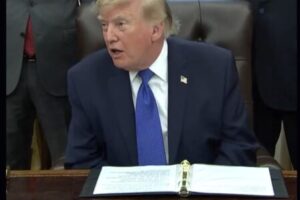



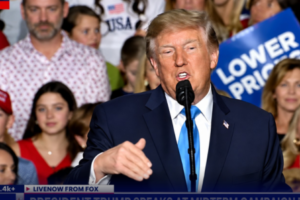




















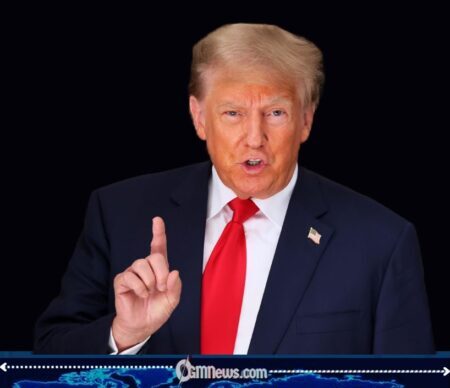
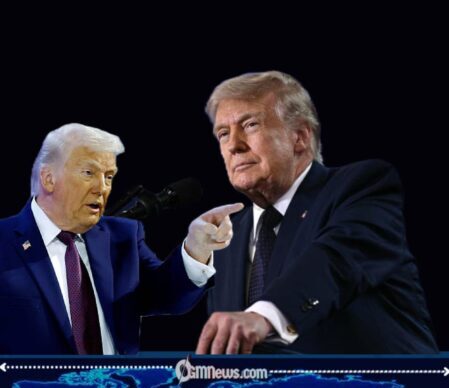
U.S. President Donald Trump, currently serving his second term in office, has intensified his campaign for sweeping changes to American voting laws, arguing that stricter voter identification requirements could reshape the political landscape for decades. Speaking at a Republican gathering in Miami, Trump insisted that a proposed election reform measure known as the Save America Act must be passed urgently, warning that he may refuse to sign other legislation until Congress approves the bill.
Trump claimed that if the measure becomes law, Democrats would “probably not win an election for 50 years and maybe longer,” a statement that has drawn sharp reactions from voting rights advocates and political analysts alike. The proposal would introduce stringent requirements for voter identification and significantly limit mail-in voting, measures supporters say are necessary to protect election integrity but critics warn could disenfranchise millions of eligible voters.
Trump’s Renewed Push for the Save America Act
During remarks at a Republican event in Miami on Monday, President Trump reiterated his support for the Save America Act, describing it as a crucial step toward restoring confidence in the U.S. electoral system. According to Trump, the legislation would require all voters to provide proof of citizenship before casting ballots in federal elections.
He also proposed strict limitations on mail-in voting, allowing it only under specific circumstances such as illness, disability, military service, or travel. Trump argued that the move would help eliminate what he has repeatedly described as vulnerabilities in the voting process.
The president has framed the bill as a priority for Congress, urging lawmakers to act quickly. In public statements and online posts, he has suggested that election reforms should take precedence over other legislative matters currently under consideration.
Threat to Withhold Support for Other Legislation
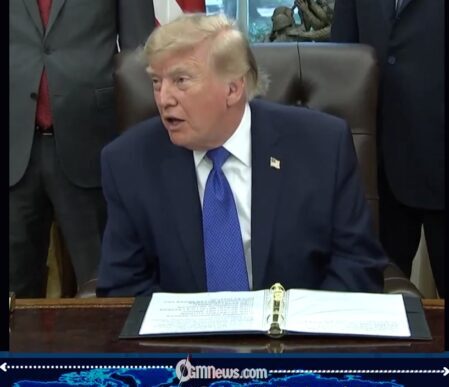
In a series of posts on his social media platform, Trump signaled that he may refuse to sign other bills into law unless Congress advances the proposed voter identification measure. He wrote that the Save America Act “must be done immediately” and described it as legislation that “supersedes everything else.”
The statement represents a significant escalation in the president’s effort to push election-related reforms through Congress. By tying his approval of unrelated legislation to the passage of the bill, Trump has increased pressure on lawmakers to address the issue swiftly.
Political observers say the strategy could complicate negotiations in Washington, where bipartisan cooperation is often required to pass major legislation. It also signals the central role that election law is likely to play in the political agenda leading up to the next round of federal elections.
Claims About Election Outcomes
Trump’s remarks included a bold prediction about the potential political consequences of the bill. He suggested that if strict voter identification rules were enacted nationwide, Democrats might struggle to win elections for decades.
“If it passes, they probably won’t win an election for 50 years and maybe longer,” Trump said during the event. The statement reflects his long-standing argument that tighter voting regulations would alter the electoral balance in favor of Republicans.
Political analysts note that such predictions are difficult to substantiate, as election outcomes are influenced by a wide range of factors, including voter turnout, policy debates, and demographic changes. Nonetheless, Trump’s comment has fueled debate about the broader implications of the proposed reforms.
Concerns from Voting Rights Advocates
Voting rights organizations have strongly criticized the proposed legislation, arguing that strict identification requirements could disenfranchise large numbers of eligible voters. Critics point out that many Americans lack documents such as passports or updated birth certificates that might be required under the proposed rules.
Advocates also warn that documentation requirements could disproportionately affect certain groups, including elderly voters, low-income individuals, and those who have changed their names. Married women who have taken their spouse’s surname, for instance, may encounter difficulties if their identification documents do not match older records.
These groups argue that rather than improving election security, the bill could create additional barriers to participation in the democratic process.
Additional Policy Provisions
The White House has also indicated that the administration is seeking to include additional provisions in the legislation. According to the White House press secretary, Karoline Leavitt, President Trump added several policy priorities while discussions around the bill were ongoing.
Among the proposed additions is a ban on transgender transition surgeries for minors. The inclusion of such provisions has expanded the scope of the debate surrounding the bill beyond election law into broader social policy issues.
Supporters say the additions reflect priorities shared by many conservative voters, while critics argue that combining unrelated policy issues with voting legislation could complicate the legislative process.
Political Implications Ahead of Midterm Elections
The debate over the Save America Act is unfolding as political parties prepare for upcoming midterm elections, which analysts expect to be highly competitive. Election law has become an increasingly prominent issue in American politics, with both parties arguing that their proposals are necessary to protect democratic processes.
Republican leaders have largely supported efforts to tighten voter identification requirements, saying such measures are essential for maintaining public trust in elections. Democrats, however, have frequently opposed strict voter ID laws, arguing they could suppress turnout among eligible voters.
As the debate continues, the proposed legislation is likely to remain a major flashpoint in national politics, reflecting broader disagreements over how to balance election security with access to voting.
Casinoabc999? Good Site. The interface is sleek, and there is a lot of stuff to...