



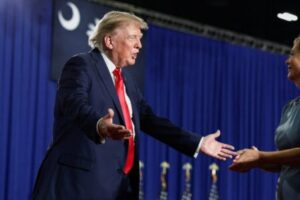

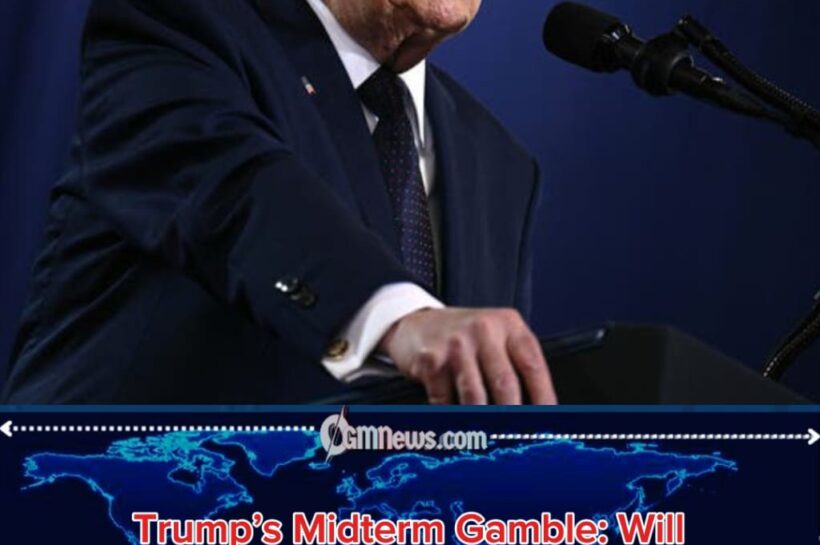
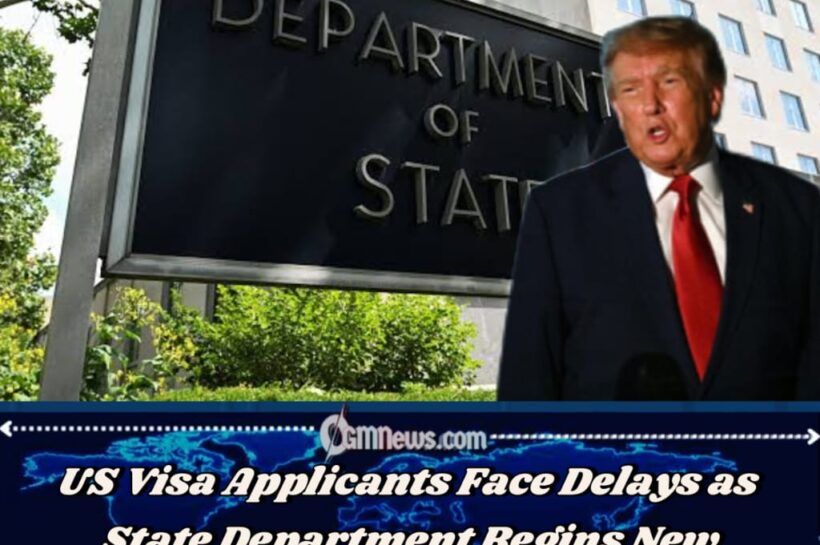
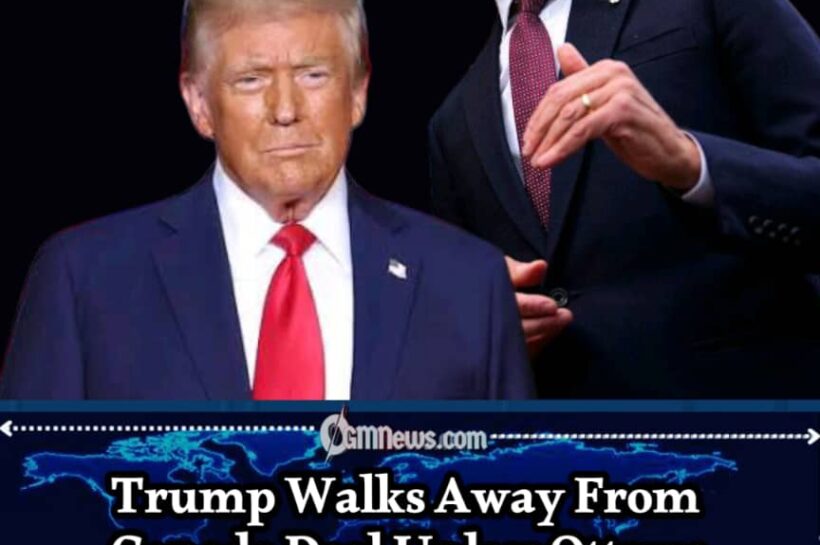




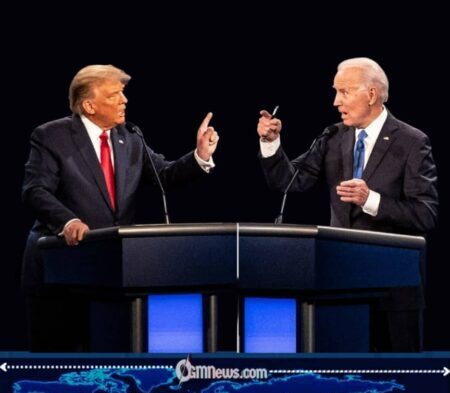
President Donald Trump, currently serving a second term as President of the United States, has intensified his criticism of former President Joe Biden, describing him as “one of the worst presidents in the history of the world.” Donald Trump also reiterated his long-standing claim that Biden was “the worst president in the history of our country,” remarks that reflect the enduring political rivalry between the two leaders.
The comments were delivered during a series of public appearances and political remarks in which Trump reviewed past administrations and defended his own policies. The latest criticism underscores the continued influence of the Trump–Biden rivalry in shaping the tone of contemporary American political discourse.
A Longstanding Political Feud
The rivalry between Donald Trump and Biden has been one of the defining dynamics of American politics in recent years. Since Biden defeated Trump in the 2020 presidential election, both leaders have frequently criticized each other’s policies and leadership styles.
Trump has repeatedly used the nickname “Sleepy Joe” to refer to Biden, a label he first introduced during the early stages of the 2020 election campaign. The nickname quickly became a recurring element of Trump’s political messaging and has continued to appear in speeches and interviews.
Biden, in turn, has strongly criticized Trump’s presidency, arguing that Trump’s policies and leadership style created deep divisions within the country. The ongoing exchange of sharp rhetoric between the two men reflects the broader polarization that characterizes modern U.S. political debate.
Trump’s Criticism of Biden’s Policies
In explaining his remarks, Donald Trump has pointed to several policy areas where he believes Biden’s administration performed poorly. These include immigration policy, energy production, and economic management.
Trump has argued that border security weakened during Biden’s presidency, claiming that immigration enforcement policies created challenges for local communities and federal agencies. He has also criticized energy policies that he says reduced domestic production and contributed to higher prices.
Economic policy has also been a central point of criticism. Donald Trump has frequently cited inflation and other economic indicators during Biden’s time in office as evidence supporting his claim that Biden’s presidency was unsuccessful.
Supporters and Critics Respond
Donald Trump’s remarks have generated mixed reactions across the political spectrum. Supporters of the president often agree with his assessment, arguing that Biden’s policies created economic difficulties and weakened America’s global standing.
Critics, however, strongly dispute Trump’s characterization. Many Democratic leaders and policy analysts point to legislative achievements during Biden’s presidency, including infrastructure investments and climate initiatives, as evidence of significant accomplishments.
Historians and political scholars generally caution that rankings of presidential performance often evolve over time as long-term policy impacts become clearer. For that reason, many experts say it is too early to reach definitive conclusions about how Biden’s presidency will ultimately be judged.
The Role of Political Messaging in Modern Campaigns
Trump’s use of memorable nicknames and sharp language toward opponents has become a hallmark of his political style. Analysts say this communication approach is designed to create easily recognizable narratives that resonate with supporters.
In modern media environments dominated by rapid news cycles and social media platforms, short and memorable phrases often spread quickly. Political strategists note that such messaging can shape public perception even when debates over policy details remain complex.
While supporters argue that the approach makes political communication more direct and engaging, critics contend that it contributes to a more confrontational political climate. Regardless of perspective, the strategy has remained a defining feature of Trump’s public rhetoric.
Broader Implications for U.S. Political Discourse
The exchange of criticism between Trump and Biden illustrates the increasingly intense tone of American political debate. Analysts say the rivalry between the two leaders reflects deeper ideological divisions within the electorate.
As President Trump continues his second term in office, the legacy of the Biden presidency remains a frequent subject in political discussion. Both supporters and critics continue to evaluate the long-term consequences of policies implemented during Biden’s administration.
For many observers, the ongoing rhetorical battle between Trump and Biden demonstrates how personal rivalry and political messaging now play a significant role in shaping national political narratives.

[…] […]