








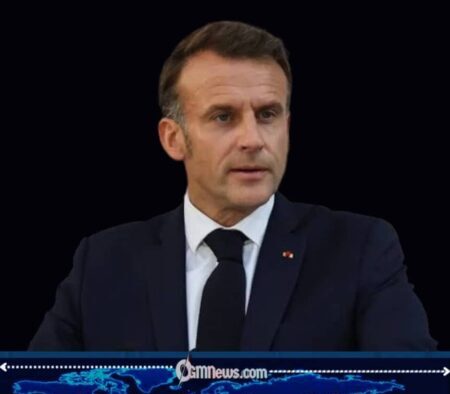
French President Emmanuel Macron has warned that the complex issues surrounding Iran’s nuclear ambitions, ballistic missile development, and regional influence cannot be resolved through military strikes alone. Speaking amid rising tensions in the Middle East, Macron stressed that diplomacy and international cooperation remain essential for addressing long-standing concerns about Iran’s activities.
Macron stated that “no one can think that the issue of the Iranian nuclear program, ballistic activities, and regional destabilization will be resolved simply by strikes.” His remarks came as the international community reacted to escalating hostilities involving Iran and military operations conducted by the United States and Israel against Iranian targets.
The French leader urged governments to avoid further escalation and instead pursue diplomatic engagement. According to Macron, lasting solutions must involve negotiations and coordinated global efforts rather than relying solely on military force.
Rising Tensions After U.S. and Israeli Strikes on Iranian Targets
Macron’s comments followed reports of major military strikes targeting Iranian facilities, an operation linked to security concerns over Tehran’s nuclear and missile programs. The attacks have intensified geopolitical tensions and raised fears of a wider conflict across the Middle East.
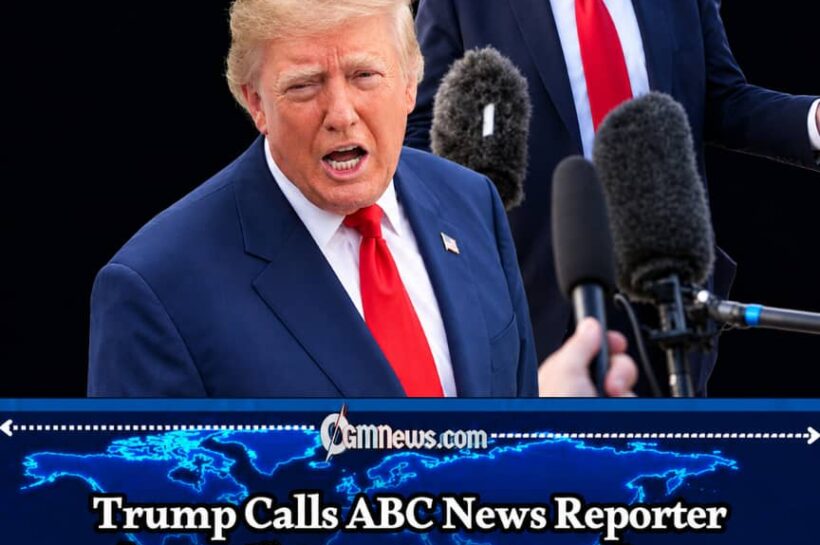
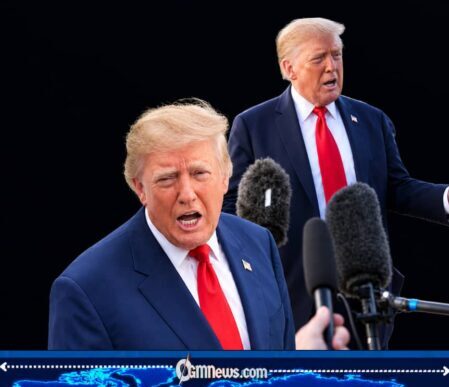
The United States under President Donald Trump, currently serving his second term in office and Israel have maintained that preventing Iran from developing nuclear weapons remains a central security priority. Officials in both countries argue that military actions may be necessary to curb what they describe as growing threats posed by Tehran.
Iran, however, has condemned the strikes and warned of retaliation. Iranian officials insist that their nuclear program is intended for peaceful purposes and have accused Western powers of escalating tensions in the region.
France Calls for Diplomatic Engagement and International Coordination
France has emphasized that diplomacy must remain the cornerstone of any long-term solution to the Iranian crisis. Macron has called for renewed negotiations involving global powers and regional actors to address the various security concerns linked to Iran.
Paris has also urged the international community to engage through institutions such as the United Nations Security Council. French officials believe multilateral dialogue is essential for preventing further escalation and ensuring that disputes are resolved through political channels.
In addition, France has been consulting with European partners and Middle Eastern governments to promote stability. Diplomatic efforts are focused on reducing tensions while exploring potential frameworks for renewed negotiations with Tehran.
Europe Seeks Balance Between Pressure and Negotiation
European governments including France, Germany, and the United Kingdom have long attempted to balance pressure on Iran with diplomatic engagement. These countries have consistently urged Iran to limit its nuclear activities while also maintaining channels for negotiation.
The European approach is partly rooted in the legacy of the Joint Comprehensive Plan of Action (JCPOA), the landmark 2015 agreement designed to restrict Iran’s nuclear program in exchange for sanctions relief. The agreement was intended to prevent Iran from developing nuclear weapons while allowing international inspectors to monitor its nuclear facilities.
Although the deal has faced numerous challenges and disputes in recent years, many European leaders still see diplomacy as the most effective mechanism for preventing nuclear proliferation in the region.
Concerns Over Ballistic Missiles and Regional Influence
Beyond nuclear development, Western governments have raised concerns about Iran’s expanding ballistic missile program. Analysts say the missiles could potentially carry nuclear warheads if Iran were to develop them in the future.
In addition, Iran’s role in regional conflicts has become a major point of contention. Critics accuse Tehran of supporting armed groups and political movements across the Middle East, including in Syria, Iraq, Lebanon, and Yemen.
Macron’s statement highlighted these broader issues, arguing that addressing the Iranian challenge requires a comprehensive strategy that includes nuclear oversight, missile restrictions, and efforts to reduce regional tensions.
A Diplomatic Path Forward
As tensions remain high, diplomats across Europe and the Middle East are exploring ways to prevent the crisis from escalating into a broader conflict. Analysts say renewed dialogue could help reduce mistrust and establish clearer frameworks for addressing nuclear and security concerns.
Macron has emphasized that sustainable solutions require cooperation between global powers, regional governments, and international institutions. He believes diplomacy offers the best chance of resolving disputes without triggering further instability.
While military measures may play a role in deterrence, the French president’s remarks underscore the belief held by many European leaders that long-term peace in the region will depend on negotiations and political compromise.

Logging in is a breeze and the site stability is amazing even during peak hours....