















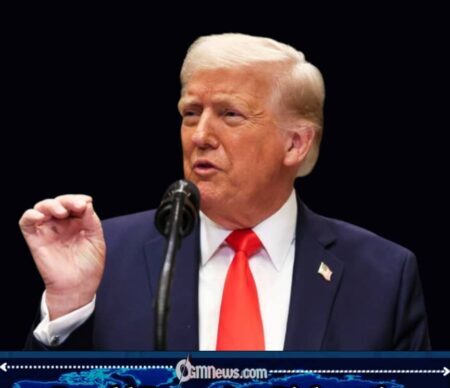
Donald Trump, the current U.S. president serving a second term, has issued a stark ultimatum to Iran: agree to a “meaningful” nuclear deal within ten days or face severe consequences. The warning underscores Washington’s determination to prevent Tehran from advancing toward nuclear weapons capability while signaling that military options remain available if negotiations fail.
The announcement has intensified global scrutiny, with allies, adversaries, and international organizations weighing the potential consequences of a collapsed negotiation process. As the deadline approaches, policymakers warn that the coming days could prove pivotal for Middle East stability and the future of nuclear nonproliferation efforts.
Trump’s Deadline and Core U.S. Demands
Donald Trump stated that the ten-day timeline is intended to accelerate diplomacy and force clarity in negotiations that have stretched over years. He emphasized that any agreement must include strict limits on uranium enrichment, intrusive inspections, and verifiable safeguards against weaponization.
According to Donald Trump, partial measures or temporary arrangements would not address the long-term risks posed by Iran’s nuclear program. His administration maintains that a comprehensive framework is necessary to prevent proliferation and reassure regional allies concerned about Tehran’s strategic ambitions.
Trump Signals Resolve Through Military Posture
Donald Trump has paired diplomatic pressure with a reinforced U.S. military presence in the Middle East, including naval deployments and enhanced air defenses. Analysts interpret these moves as a signal of credibility designed to strengthen Washington’s negotiating leverage rather than an immediate prelude to conflict.
Still, Donald Trump’s posture has heightened tensions across the region. Gulf states, shipping operators, and energy markets are closely monitoring developments, aware that even limited military action could disrupt vital oil routes and trigger global economic repercussions.
Iran’s Position and Key Negotiation Obstacles
Iranian officials continue to assert that their nuclear program is peaceful and insist on retaining enrichment capabilities under international oversight. Tehran has expressed willingness to negotiate but rejects demands its views as undermining national sovereignty or scientific progress.
Major sticking points include sanctions relief, verification mechanisms, and missile program restrictions. While diplomatic channels remain open, deep mistrust persists, leaving the outcome uncertain as the deadline approaches.
International Reactions and Global Stakes
European governments have urged restraint and renewed commitment to diplomacy, warning that escalation could destabilize the region. Russia and China have also called for negotiated solutions, emphasizing the importance of avoiding actions that could trigger wider conflict.
Energy markets remain sensitive to developments in the Persian Gulf, particularly the Strait of Hormuz, through which a significant portion of global oil supplies pass. Analysts caution that any disruption could have far-reaching economic consequences.
Domestic Debate Over War Powers and Oversight
The ultimatum has sparked debate within the United States over constitutional war powers. Some lawmakers argue that military action against Iran would require congressional authorization, citing the need for democratic accountability and adherence to legal frameworks.
Others contend that the president must retain flexibility to respond swiftly to emerging threats. The discussion reflects broader tensions over executive authority, national security, and the risks of entanglement in another prolonged Middle East conflict.
What the Next Ten Days Could Determine
The approaching deadline places immense pressure on both Washington and Tehran. A successful agreement could ease regional tensions and strengthen global nonproliferation efforts, while failure could lead to heightened sanctions, military confrontation, or broader instability.
Diplomats note that even if the deadline passes without a formal agreement, negotiations may continue through back-channel efforts. However, the stakes and rhetoric surrounding the current standoff suggest that the coming days will play a decisive role in shaping U.S.–Iran relations.
[…] […]