


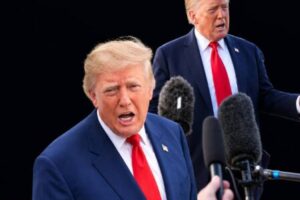
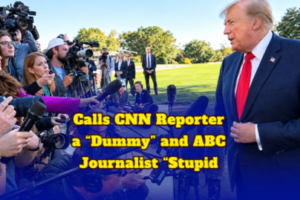



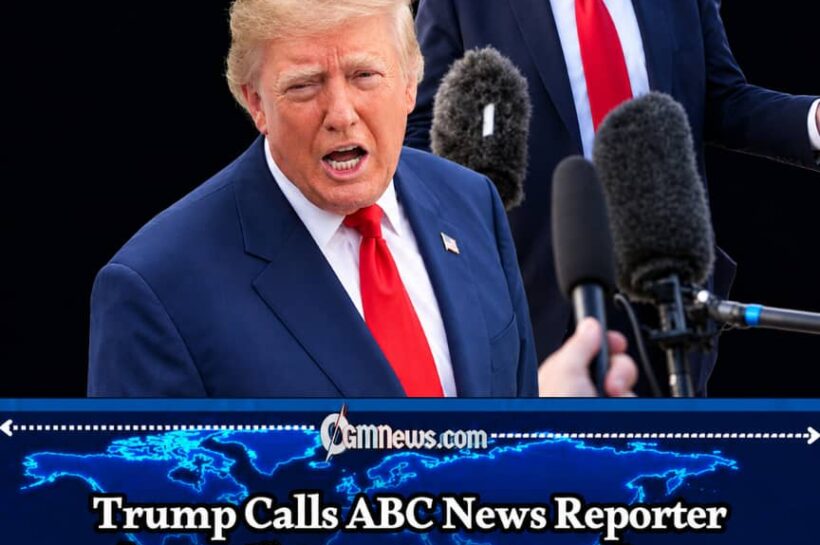
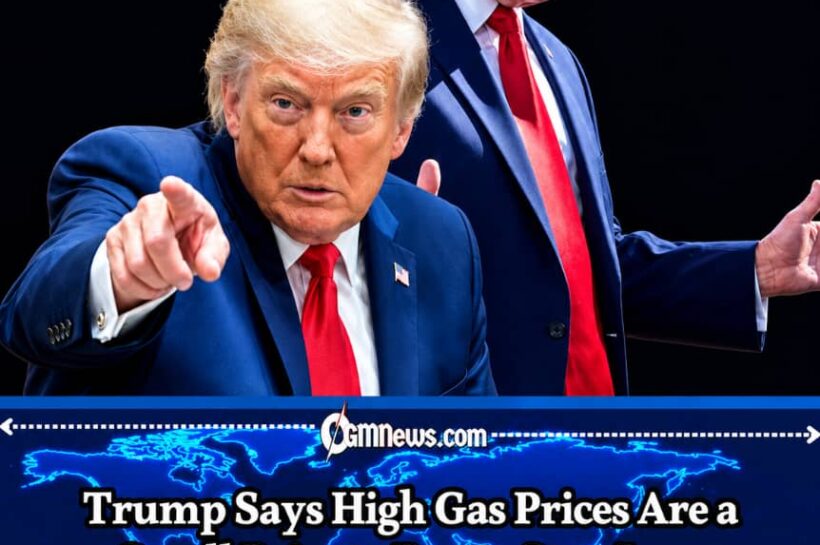




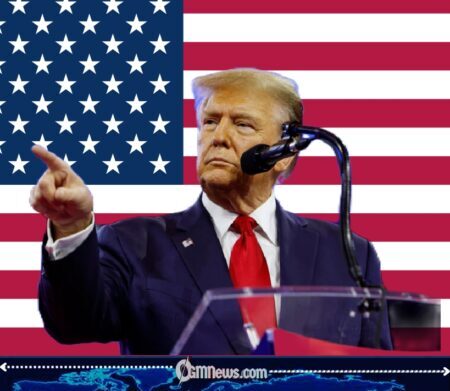
Donald Trump, the current U.S. president serving a second term, has reignited national debate after signaling a readiness to expand federal intervention in major American cities facing crime challenges. Speaking during a Black History Month reception at the White House, Donald Trump suggested that the federal government may need to step in assertively when local authorities are unwilling or unable to act.
Donald Trump’s remarks, including the statement that “sometimes we have to force ourselves upon them,” have drawn widespread attention. Supporters describe the comments as a reflection of his tough law-and-order stance, while critics argue that the language was unnecessarily forceful and raises concerns about federal overreach.
Donald Trump’s Remarks at the White House Event
During the reception, Donald Trump outlined what he described as worsening conditions in several urban centers. He stated that federal authorities are already active in multiple cities and suggested that more direct involvement may be necessary in others.
Donald Trump emphasized that, in his view, some local leaders are reluctant to seek federal assistance. According to him, this hesitation prevents swift action to address crime and public safety concerns.
While he did not announce a specific timeline for additional deployments, Donald Trump made it clear that his administration remains prepared to act where it deems necessary.
His phrasing quickly became a focal point of media coverage, with commentators debating whether the remarks were rhetorical emphasis or indicative of a more aggressive enforcement posture.
Donald Trump and the Focus on Atlanta
Donald Trump specifically referenced Atlanta as a city that could benefit from stronger federal involvement. He suggested that federal authorities could “take care of Atlanta so fast,” expressing frustration that local officials have not requested more direct intervention.
The mention of Atlanta also carries political significance. Georgia has remained central to national political conversations in recent years, and Trump has repeatedly discussed the state in public appearances. However, his latest comments were framed primarily around crime and public safety rather than electoral politics.
Local leaders in Atlanta have previously highlighted their own crime-reduction initiatives and partnerships with federal agencies, though they have not publicly sought the type of federal troop presence implied in Donald Trump’s remarks.
Donald Trump’s Crime and Immigration Enforcement Agenda
A key component of Donald Trump’s message centered on removing repeat offenders and addressing what he described as a small percentage of individuals responsible for a large share of crime. He reiterated his administration’s position that targeting career criminals is essential to restoring order in struggling communities.
Donald Trump also linked crime enforcement with immigration policy, underscoring efforts to detain and deport individuals who are in the country unlawfully and have criminal records. His administration has consistently argued that stricter immigration enforcement enhances overall public safety.
Advocacy groups, however, have expressed concerns that broad enforcement actions may affect families and communities beyond those directly involved in criminal activity. The debate reflects broader national divisions over how best to balance enforcement with civil protections.
Trump and the Debate Over Federal Authority
Trump’s remarks have reignited questions about the proper scope of federal authority in local law enforcement. Under certain legal frameworks, the federal government can intervene in states or municipalities during emergencies or civil unrest. However, such actions are often politically sensitive.
Civil liberties organizations caution that expanded federal presence could escalate tensions in some communities. Supporters of Trump counter that decisive federal action is sometimes necessary when local governments fail to address persistent crime.
As a result, Donald Trump’s statements have become part of a larger discussion about the balance between local autonomy and national responsibility in maintaining public safety.
Donald Trump at the Center of a Renewed National Conversation
Trump’s comments have amplified partisan debate across Washington and beyond. Republican lawmakers have largely defended his emphasis on strong enforcement, while Democratic leaders have criticized both the tone and substance of his remarks.
Public opinion remains divided on how aggressively the federal government should intervene in city-level crime issues. Nevertheless, Trump continues to position himself as a leader willing to use federal authority to pursue what he describes as law-and-order priorities.
With no immediate deployment announcements tied directly to the speech, the long-term implications of Trump’s remarks remain to be seen. However, the response underscores that Trump remains a central and polarizing figure in the national conversation over crime, governance, and executive power.

The weekly tournaments here keep me coming back because the prize pools are surprisingly generous....