

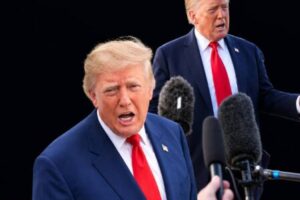





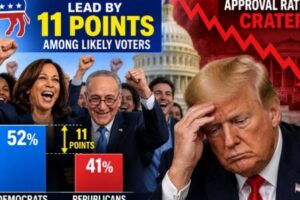










President Donald Trump has drawn criticism for his handling of public health issues during his second term, with analysts arguing that lessons from the COVID-19 pandemic appear to have been largely ignored. Observers note that policy decisions, communication strategies, and pandemic preparedness remain points of contention.
Health experts point to the challenges of balancing economic activity with public safety, emphasizing that prior missteps during COVID-19 should have informed more cautious, evidence-based decision-making. Critics worry that repetition of past errors could exacerbate future crises.
Supporters, however, argue that the administration prioritizes personal freedom, choice, and economic stability in its approach to public health. They contend that overregulation can have unintended consequences on communities and small businesses.
Pandemic Preparedness and Policy Challenges
President Donald Trump’s administration has faced scrutiny over its current public health framework, particularly regarding readiness for new infectious disease outbreaks. Experts emphasize that preparation involves strategic stockpiling, rapid response mechanisms, and coordination with state and local health authorities.
Observers note that the lessons from the COVID-19 pandemic highlight the need for clear communication and proactive measures. Missteps in messaging and inconsistent policy enforcement previously led to confusion and public distrust.
While some praise ongoing efforts to maintain public choice and economic activity, others argue that insufficient planning and adherence to scientific guidance can undermine overall national resilience.
Public Health Experts Weigh In
President Donald Trump’s approach has drawn concern from medical professionals who stress the importance of evidence-driven policy. Experts highlight that consistent adherence to scientific guidelines is critical for mitigating the effects of contagious diseases.
They argue that public compliance often depends on clear, trustworthy guidance from leadership. Contradictory messages can erode confidence in both government institutions and health authorities.
Policy analysts note that balancing individual freedoms with collective safety is inherently complex, but previous pandemics underscore the necessity of proactive, coordinated responses.
Vaccines, Treatments, and Scientific Debate
President Donald Trump has promoted a focus on personal choice and treatment options, including discussions of experimental therapies. While innovation is widely supported, experts warn that lack of rigorous evaluation can risk public health.
Vaccination campaigns, in particular, rely on widespread public trust. Public skepticism increases when leaders present conflicting messages or bypass established scientific protocols.
Comparisons with past public health successes and failures illustrate the importance of integrating lessons from prior pandemics into current policy planning. Leaders are urged to balance innovation with careful risk assessment.
Economic Considerations vs. Public Safety
President Donald Trump’s policies continue to reflect an emphasis on maintaining economic activity alongside health measures. Advocates argue that prolonged shutdowns and restrictive mandates have severe consequences on livelihoods.
Opponents caution that economic focus should not come at the expense of population health. Failing to contain disease spread can ultimately increase medical costs, reduce workforce capacity, and disrupt supply chains.
Experts suggest that sustainable policy requires simultaneous attention to economic stability and effective public health strategies, ensuring neither is neglected during crises.
Accountability and Future Implications
President Donald Trump’s approach raises broader questions about the balance between political priorities and public health obligations. Leadership decisions can shape both immediate and long-term outcomes in times of crisis.
If another global pandemic were to occur, analysts warn that preparedness, communication, and adherence to evidence-based guidelines will be critical determinants of national resilience. The importance of learning from past experiences cannot be overstated.
Ultimately, the debate surrounding President Donald Trump’s public health policies reflects broader societal questions: How should governments weigh individual liberties against collective safety? How can lessons from previous crises be effectively integrated into future planning? These considerations remain central as the nation evaluates strategies for protecting public health in an increasingly interconnected world.



Logging in is a breeze and the site stability is amazing even during peak hours....