



























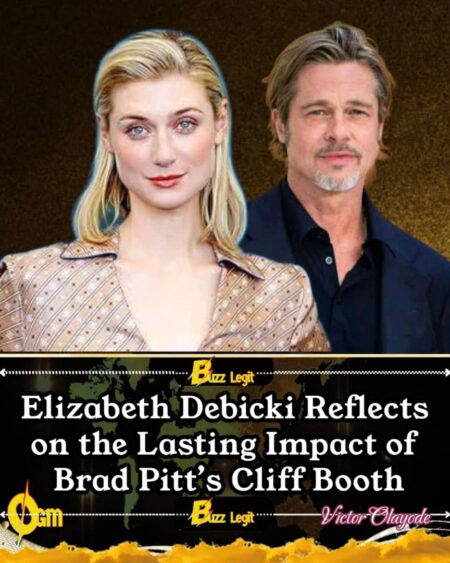
Elizabeth Debicki has sparked fresh excitement among film fans by teasing the possible return of Brad Pitt’s iconic character from Once Upon a Time in Hollywood in a potential sequel. Elizabeth Debicki described the idea as “such a dream to make,” suggesting that conversations around revisiting Quentin Tarantino’s celebrated cinematic world remain creatively alive.
Elizabeth Debicki’s remarks have reignited interest in the legacy of the 2019 film, which earned widespread acclaim and an Academy Award for Pitt’s performance as stuntman Cliff Booth. Elizabeth spoke with admiration about the character’s lasting cultural impact, noting how rare it is for modern film roles to resonate so strongly years after release.
Elizabeth Debicki’s comments arrive amid ongoing speculation about Tarantino’s future projects and whether any continuation of Once Upon a Time in Hollywood could take shape. While no official confirmation has been made, her reflections have fueled discussion about how beloved characters can evolve beyond their original stories.
Revisiting a Character That Left a Lasting Impression
Elizabeth Debicki emphasized that Brad Pitt’s portrayal of Cliff Booth remains one of the most memorable performances of recent years. Elizabeth Debicki noted that the character’s quiet confidence, moral ambiguity, and understated charm contributed to his iconic status. Elizabeth Debicki suggested that revisiting such a role would require the same level of nuance and respect that defined the original film.
Elizabeth Debicki acknowledged that sequels often face heightened expectations, particularly when the original work is so widely admired. Elizabeth Debicki explained that any continuation would need to feel organic rather than nostalgic for nostalgia’s sake. Elizabeth comments reflected an awareness of how carefully audiences guard stories they deeply value.
Elizabeth Debicki also highlighted how Tarantino’s characters tend to exist beyond the confines of a single narrative. Elizabeth Debicki described Cliff Booth as the kind of figure whose backstory and future remain intriguingly open. Elizabeth perspective suggests that the character’s appeal lies in what is both shown and left unsaid.
A Creative World That Continues to Inspire
Elizabeth spoke about the enduring creative pull of Once Upon a Time in Hollywood as a cinematic universe. Elizabeth Debicki explained that the film’s blend of history, fantasy, and character-driven storytelling created a world that still feels rich with possibility. Elizabeth described it as a rare example of a standalone film that invites further exploration without demanding it.
Elizabeth noted that working within such a thoughtfully constructed setting is appealing to actors and filmmakers alike. Elizabeth said the project represented a high point in modern filmmaking, where performances, writing, and direction aligned seamlessly. Elizabeth Debicki’s admiration underscores the film’s continued relevance within industry conversations.
Elizabeth also reflected on the collaborative nature of Tarantino’s work. Elizabeth Debicki explained that his characters often feel deeply personal to the actors who portray them, making the idea of returning both exciting and daunting. Elizabeth insight highlights the emotional investment tied to revisiting iconic roles.
Balancing Expectation, Legacy, and Creative Freedom
Elizabeth acknowledged that any sequel would need to navigate the balance between honoring legacy and allowing creative freedom. Elizabeth explained that revisiting beloved characters comes with responsibility, particularly when audiences hold strong emotional connections. Elizabeth Debicki framed this challenge as both a risk and an opportunity.
Elizabeth suggested that the passage of time could add depth rather than diminish impact. Elizabeth noted that characters like Cliff Booth might resonate differently in a new cultural moment. Elizabeth comments imply that evolution, rather than repetition, would be key to success.
Elizabeth concluded by expressing gratitude for being part of conversations surrounding such an influential film. Elizabeth Debicki described the idea of continuing the story as a creative privilege rather than an obligation. Elizabeth reflections ultimately reinforce the enduring power of thoughtful storytelling and iconic performances.
[…] […]