

























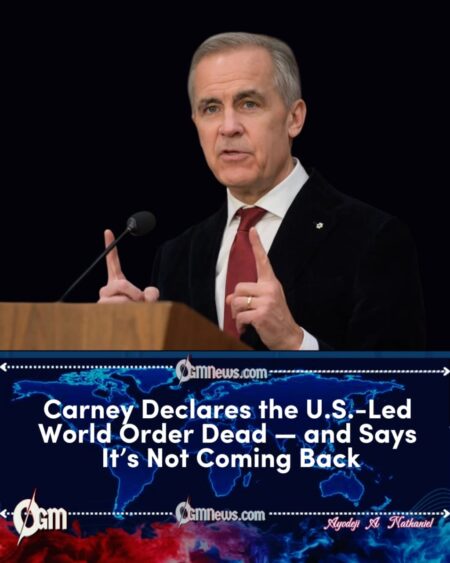
Canadian Prime Minister Mark Carney has stated that the U.S.-led rules-based international order has effectively come to an end and will not be restored, signaling a profound shift in global politics and governance. His remarks reflect growing concern among Western leaders that the international framework which guided diplomacy, trade, and security for decades is no longer capable of managing today’s geopolitical realities.
Carney argued that the erosion of shared norms, weakening of multilateral institutions, and the rise of unilateral power politics have fundamentally altered the global landscape. He warned that governments must now adjust to a more fragmented and competitive world rather than assume a return to familiar structures.
The Collapse of the Rules-Based Framework
Prime Minister Carney said the international system built around common rules and U.S. leadership has steadily lost credibility. He pointed to repeated violations of international agreements, selective enforcement of rules, and declining trust among major powers as signs of systemic failure.
According to Carney, the issue is no longer one of reforming existing institutions but recognizing that the assumptions underpinning them no longer hold. He described the breakdown as structural, not temporary, suggesting that past mechanisms are insufficient for present challenges.
Analysts note that this assessment mirrors concerns increasingly voiced across Europe and the Indo-Pacific, where confidence in global governance norms has weakened significantly.
Shifting Power Dynamics and Global Competition
Carney emphasized that the decline of the rules-based order has coincided with intensifying rivalry among major powers. Trade disputes, sanctions, and strategic competition have replaced consensus-driven decision-making in many areas of international relations.
He noted that economic coercion and regional blocs are becoming more prominent tools of statecraft. In this environment, global cooperation is often transactional and conditional rather than grounded in shared principles.
Observers say this shift has created a less predictable international system, increasing risks for countries that depend heavily on stable trade and diplomatic norms.
What the New Reality Means for Canada
As a middle power, Canada faces unique challenges in a world without strong, universally respected rules. Carney said the country must strengthen its economic resilience, diversify trade partnerships, and invest more heavily in domestic competitiveness.
He also stressed the importance of pragmatic diplomacy, including flexible alliances focused on specific issues rather than broad, all-encompassing frameworks. In his view, adaptability will be critical as global volatility increases.
Policy experts suggest this approach reflects a broader strategy among middle powers seeking to protect national interests without the traditional guarantees once provided by global institutions.
The Role of the United States and Global Leadership
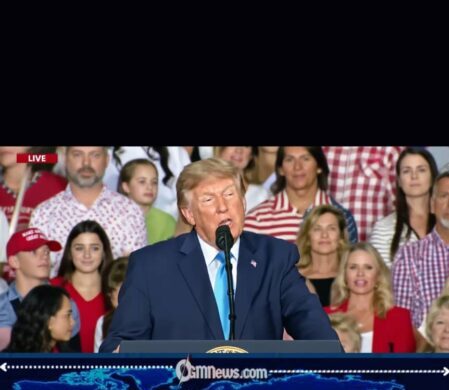
Carney’s comments come as the United States, under President Donald Trump serving a second term, continues to reassess its global role. Changes in U.S. foreign and trade policy have accelerated debates about whether American leadership can—or will—anchor a renewed international system.
While Carney avoided direct confrontation, he made clear that the old model of global leadership is unlikely to re-emerge in its previous form. Instead, leadership may become more distributed, uneven, and contested.
This evolving dynamic, analysts say, will shape international relations for years to come, regardless of future political changes in Washington or other capitals.
Looking Ahead in a Fragmented World
Despite his stark assessment, Carney did not advocate disengagement from global cooperation. He argued that countries must still work together where interests align, even if universal agreement is harder to achieve.
The prime minister called for realism in foreign policy, urging governments to prepare for prolonged uncertainty rather than expect a return to past norms. He said success in the new era will depend on resilience, strategic clarity, and the ability to navigate competing interests.
As global leaders grapple with these changes, Carney’s declaration underscores a growing consensus that the international order has entered a decisive and irreversible transition.

[…] […]