























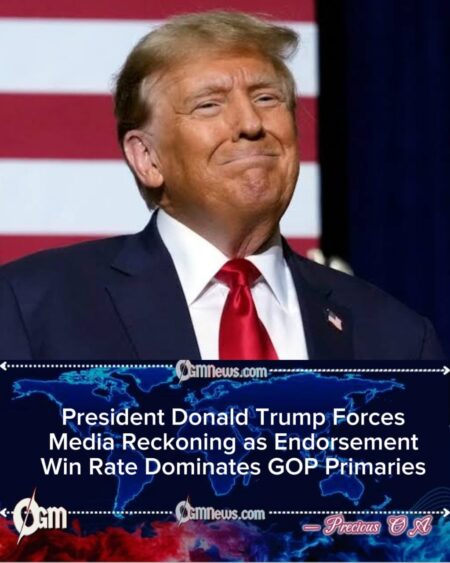
President Donald Trump has reemerged as a defining force in Republican primary politics, with a new round of coverage acknowledging the scale of his influence ahead of the midterm elections. Recent reporting highlighted how candidates backed by Trump have consistently prevailed in competitive primaries, reshaping internal party calculations nationwide.
President Donald Trump has framed the pattern as evidence of a durable bond with Republican voters, arguing that endorsements reflect shared priorities on border security, economic policy, and public safety. Allies say the results demonstrate organizational reach rather than personality alone, pointing to disciplined messaging and early voter mobilization.
Across multiple states, party officials have noted how endorsement announcements often reorder races almost immediately. Fundraising accelerates, media attention shifts, and previously crowded fields narrow as donors and activists reassess their bets.
CNN Data Forces a Reassessment
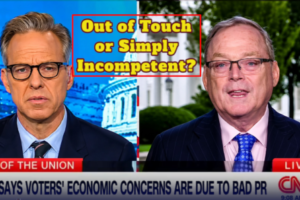
President Donald Trump was the central figure in a recent CNN segment that analyzed primary outcomes tied to his endorsements. The network reported that candidates he endorsed entered general elections with an almost unbroken record of primary victories, a statistic that surprised even seasoned political observers.
The coverage emphasized methodology, explaining that analysts reviewed contested Republican primaries across cycles and isolated races with clear endorsement signals. The resulting tally showed a win rate approaching unanimity, forcing broader acknowledgment of Trump’s clout within the party.
President Donald Trump supporters seized on the report as validation, circulating clips and summaries online. They argued that mainstream outlets rarely highlight such findings and that the acknowledgment underscored realities on the ground within Republican electorates.
Inside the Numbers Behind the Claims
Data specialists cautioned that endorsement effects vary by context, including district partisanship and candidate quality. Still, they acknowledged that the consistency observed in the analysis was unusual compared with historical benchmarks for party leaders.
President Donald Trump has benefited from endorsements that arrive early, often before rivals consolidate resources. Analysts say timing matters as much as branding, allowing endorsed candidates to define narratives and deter challengers.
Other variables include grassroots enthusiasm and digital engagement. Campaigns aligned with Trump tend to see spikes in small-dollar donations and volunteer sign-ups immediately following endorsements, reinforcing early advantages.
President Donald Trump and the Endorsement Effect
President Donald Trump has described endorsements as “trust signals” between leadership and voters, contending that primary voters reward authenticity and alignment. He has argued that success reflects an understanding of voter priorities rather than top-down pressure.
Political strategists note that endorsements now function as coalition-building tools. By tying candidates to national themes while allowing local tailoring, the approach blends centralized messaging with district-specific appeals.
President Donald Trump critics argue the effect narrows ideological diversity, but supporters counter that primaries are designed to clarify choices. They say decisive outcomes reduce intra-party conflict ahead of general elections.
Implications for Party Strategy
Republican committees are adjusting resource allocation based on these patterns. Races with endorsements often receive early infrastructure support, while non-endorsed contests see more cautious spending until momentum becomes clearer.
President Donald Trump has indirectly influenced candidate recruitment, with potential contenders weighing whether to seek endorsements before launching. This dynamic has shortened timelines and intensified behind-the-scenes negotiations.
The broader implication is strategic clarity. Party leaders believe predictable primary outcomes allow earlier pivots toward general election messaging, fundraising, and voter outreach.
Looking Toward November
President Donald Trump remains a focal point as the party looks ahead, with endorsements expected to continue shaping the map. Observers anticipate that data-driven coverage will keep scrutinizing outcomes as primaries conclude.
Beyond the numbers, the trend underscores how modern campaigns integrate media, data, and grassroots energy. The interaction between coverage and voter behavior has become a feedback loop influencing perceptions of viability.
As November approaches, the enduring question is whether primary dominance translates into general election success. For now, the reported win rate has reframed discussions about power, strategy, and leadership within the Republican Party.
[…] […]