






















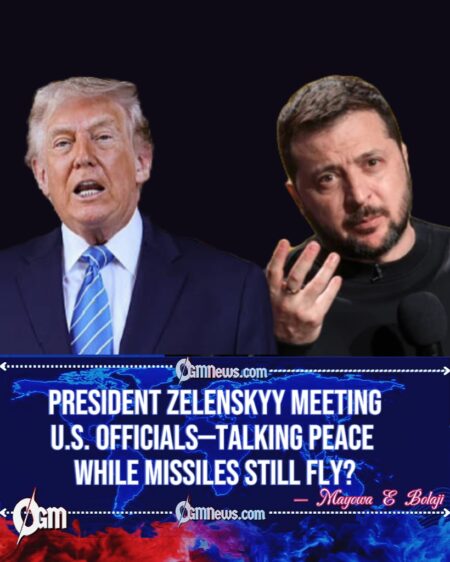
Ukrainian President Volodymyr Zelenskyy has confirmed renewed diplomatic engagement between Kyiv and Washington, revealing that Ukraine’s lead negotiator, Rustem Umerov, held discussions with U.S. officials on Saturday. The talks, according to Zelenskyy, form part of ongoing efforts to develop a structured framework aimed at bringing Russia’s war in Ukraine to an end. The disclosure signals a fresh phase of coordination between the two allies as the conflict continues to reshape regional and global security calculations.
The announcement underscores Ukraine’s emphasis on diplomacy alongside military resilience, while highlighting the United States’ continued role as a central interlocutor in efforts to de-escalate the war through negotiated outcomes.
Renewed Diplomatic Engagement
President Zelenskyy’s statement points to a deliberate push to intensify diplomatic channels with the United States at a critical juncture in the war. By confirming direct talks between Umerov and U.S. officials, Kyiv is signaling its readiness to engage in detailed discussions on pathways toward peace, even as fighting persists on the ground.
Umerov, who has played a prominent role in Ukraine’s negotiation efforts, is widely viewed as a key figure capable of bridging military, political, and diplomatic considerations. His engagement with Washington suggests a focus on aligning positions and expectations before any broader international discussions take shape.
Focus on a Negotiation Framework
Rather than announcing a ceasefire or immediate breakthrough, Zelenskyy emphasized work toward a “framework” to end the war. This language indicates an incremental approach, centered on principles, sequencing, and guarantees that could underpin future negotiations.
Such a framework would likely address core issues including territorial integrity, security assurances, humanitarian concerns, and mechanisms for enforcement. Ukrainian officials have consistently stressed that any agreement must respect Ukraine’s sovereignty and internationally recognized borders, setting clear parameters for talks.
The United States’ Role
The United States remains a pivotal partner for Ukraine, both militarily and diplomatically. The involvement of senior U.S. officials in discussions with Umerov reflects Washington’s continued investment in shaping a potential endgame to the conflict.
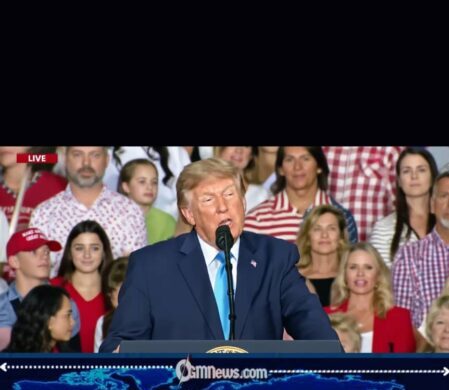
Under President Donald Trump, now serving a second term as U.S. president, Washington’s engagement carries particular weight.
While policy details have not been disclosed, the talks suggest sustained dialogue aimed at balancing support for Ukraine with broader strategic considerations, including regional stability and global economic impacts.
Kyiv’s Diplomatic Strategy
Kyiv has increasingly framed diplomacy as complementary to its defense efforts, not a substitute for them. By publicizing the talks, Zelenskyy appears intent on reassuring both domestic and international audiences that Ukraine is actively pursuing all avenues to secure a just and lasting peace.
At the same time, Ukrainian officials have cautioned against premature optimism. Past diplomatic efforts have faltered amid battlefield realities and divergent international interests, making careful preparation and alignment with allies essential.
Implications for the Conflict
The confirmation of talks does not signal an imminent resolution, but it does suggest movement toward more structured engagement.
For Ukraine, establishing a credible framework could help consolidate international backing and clarify expectations ahead of any multilateral negotiations.
For Russia, the development may be interpreted as an attempt by Kyiv and its partners to set the terms of future talks. How Moscow responds—whether through diplomatic signals or military actions—will significantly influence the trajectory of the conflict.
Looking Ahead
As discussions continue behind closed doors, attention will remain focused on whether the Ukraine–U.S. engagement can translate into a broader international process. Much will depend on the willingness of all parties to engage constructively and on the ability of mediators to reconcile competing demands.
For now, Zelenskyy’s announcement serves as a reminder that diplomacy remains active, even amid a protracted war, and that efforts to define a path toward peace are ongoing rather than stalled.
[…] […]