



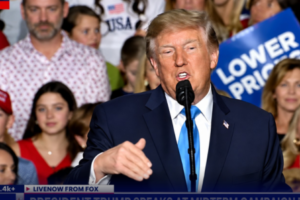

















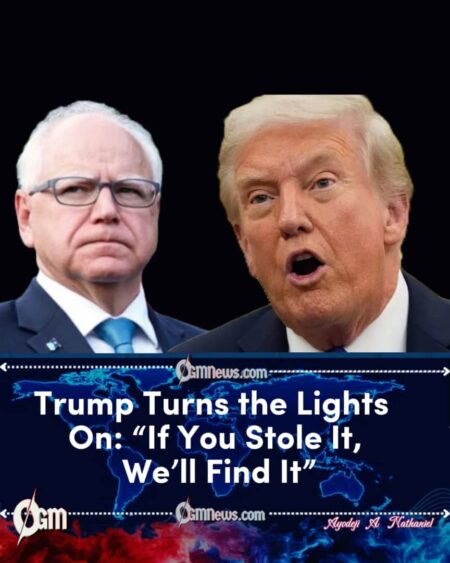
President Donald Trump, currently serving a second term, has accused Minnesota officials of failing to prevent what he described as extensive fraud linked to programs serving Somali communities, warning that potential taxpayer losses could reach tens of billions of dollars. The president cited preliminary figures suggesting at least $19 billion in questioned losses, adding that the total exposure could be significantly higher as investigations proceed.
Donald Trump’s remarks have reignited debate over state and federal oversight of public funds, the evidentiary standards required to substantiate large financial claims, and how public officials should communicate ongoing investigations. While the comments were forceful, the administration has said the matter ultimately rests with auditors, investigators, and the courts.
President Donald Trump Frames the Issue as Accountability and Oversight
President Donald Trump presented the allegations as a test of fiscal accountability, arguing that weak controls and delayed enforcement allow fraud to proliferate. He emphasized that identifying and recovering misspent funds is a core responsibility of government at every level.
Administration officials stress that the figures cited reflect evolving investigative estimates rather than final determinations. Experts note that complex fraud cases often involve multi-year reviews, with totals refined as evidence is verified and cases advance.
Allegations, Estimates, and What Is Verified So Far
President Donald Trump referenced a confirmed baseline of roughly $19 billion in questioned transactions, while cautioning that the ultimate figure could be higher if additional misuse is substantiated. No comprehensive public audit has yet confirmed the upper estimate.
Investigative bodies typically release verified totals through indictments, plea agreements, or court findings. Until then, analysts urge caution in treating preliminary figures as final losses.
President Donald Trump and State Leadership Under Scrutiny
President Donald Trump singled out Minnesota’s leadership, including Tim Walz, arguing that state oversight failures contributed to the alleged scale of losses. The criticism focused on administrative controls, compliance checks, and interagency coordination rather than naming specific criminal defendants.
Governor Walz’s office has previously said Minnesota cooperates with federal investigations and supports recovery efforts where wrongdoing is proven. State officials have emphasized due process and warned against broad generalizations while cases are pending.
Legal Process and Investigative Pathway
Fraud investigations typically involve inspectors general, federal prosecutors, and financial auditors reviewing eligibility, documentation, and payment flows. Substantiated cases can lead to indictments, asset seizures, restitution, and program reforms.
Legal experts emphasize that allegations—particularly those involving large sums—must be tested against evidence in court. Timelines can be lengthy, especially where records span multiple agencies and years.
Community Impact and Public Discourse
Advocates caution that public messaging should distinguish alleged misconduct by specific actors from broader communities. They argue that effective enforcement benefits from cooperation, whistleblower protections, and clear compliance guidance.
Policy specialists add that robust oversight can coexist with targeted prosecutions, helping deter fraud without stigmatizing lawful beneficiaries.
What Happens Next
Investigators are expected to continue audits and pursue cases where evidence supports charges. Any confirmed totals will likely emerge through formal filings and judgments rather than estimates.
For the administration, the next phase will be demonstrating that allegations translate into legally sustainable outcomes. For states, the focus remains on strengthening controls, transparency, and cooperation with federal authorities.
[…] […]