























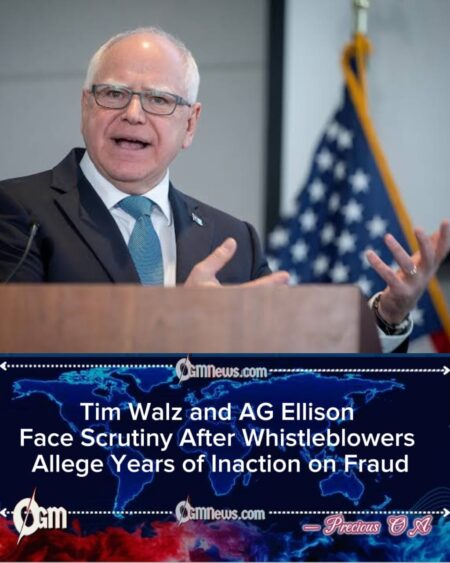
Tim Walz and AG Ellison were identified by whistleblowers as having received briefings and internal warnings that fraud within certain state-administered programs had reached alarming levels. According to testimony described to lawmakers, the information presented at the time suggested systemic abuse rather than isolated incidents.
Tim Walz and AG Ellison are alleged to have been informed through reports, meetings, and interagency communications that controls were failing. Whistleblowers contend that despite this knowledge, enforcement measures and audits were delayed or insufficient to curb losses.
Those presenting the claims emphasized that their concerns were raised repeatedly over several years, suggesting the issue was not hidden or obscure but discussed within government channels.
Nature of the Alleged Fraud
Tim Walz and AG Ellison were told, whistleblowers claim, that public funds intended for social services were being diverted through fraudulent applications and shell operations. The alleged misuse involved large sums of taxpayer money, prompting internal alarms among staff and watchdogs.
Investigators reviewing the claims say the fraud described was complex, involving coordinated efforts that exploited regulatory gaps. Whistleblowers argue that these vulnerabilities should have triggered immediate policy and enforcement responses.
The alleged scale of the problem, according to those coming forward, warranted emergency reforms rather than incremental adjustments.
Political Context and Sensitivities
Tim Walz and AG Ellison are accused by whistleblowers of weighing political sensitivities as the warnings emerged, particularly in communities heavily impacted by the programs in question. The whistleblowers stress that their allegations focus on governance decisions, not on any specific ethnic or immigrant group.
Observers note that public officials often face competing pressures when fraud intersects with social welfare programs, where aggressive enforcement can risk disrupting legitimate aid.
Still, critics argue that political caution should not override the duty to protect public funds and ensure programs function as intended.
Response From State Leadership
Tim Walz and AG Ellison have previously stated that their administrations take fraud seriously and have pointed to prosecutions and reforms enacted in later years as evidence of action. They have not publicly conceded that earlier warnings were ignored.
State officials have emphasized that fraud investigations are complex and require coordination across agencies, prosecutors, and federal partners, often taking years to fully develop.
Supporters of the governor and attorney general argue that hindsight can oversimplify decision-making processes that were constrained by legal and procedural limits at the time.
Congressional Review and Oversight
Tim Walz and AG Ellison are now central figures in congressional inquiries examining whether state leaders failed to act on credible intelligence. Lawmakers say the whistleblower accounts warrant a closer look at how fraud warnings are escalated and addressed.
Committees reviewing the matter are seeking documentation, timelines, and internal communications to determine when officials were informed and what actions followed.
The outcome of these reviews could influence future federal oversight standards tied to state-administered programs.
Broader Implications
Tim Walz and AG Ellison face broader questions about governance as the allegations feed into a national debate over accountability in public spending. Experts say the case highlights the need for clearer protocols when early warning signs emerge.
Policy analysts suggest reforms such as mandatory response timelines, independent audits, and stronger whistleblower protections could prevent similar controversies.
As investigations continue, the situation underscores how delayed responses to internal warnings can evolve into major political and legal challenges, shaping public trust in state leadership and oversight systems.



[…] […]