
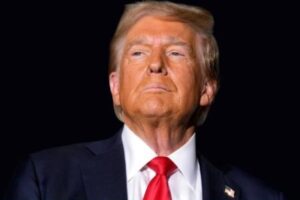

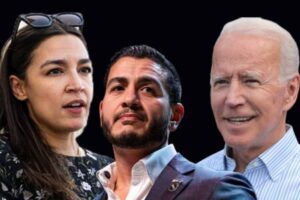

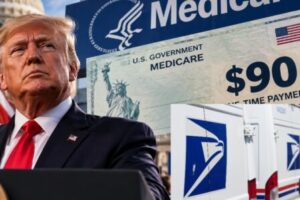
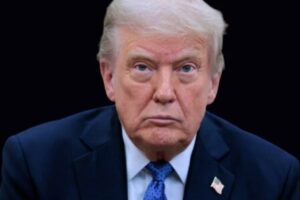



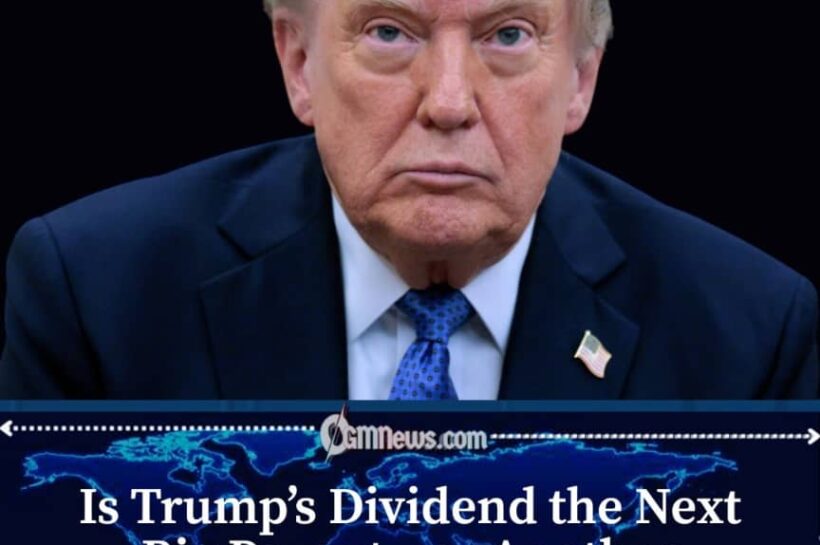













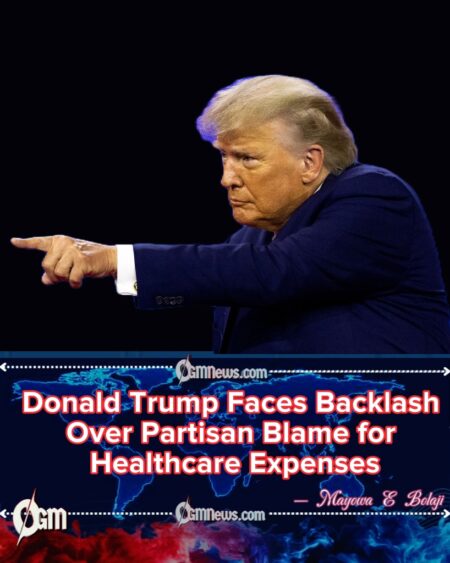
President Donald Trump, currently serving a second term, recently attempted to shift public blame for rising healthcare costs onto the Democratic Party. Speaking to supporters and through media channels, Trump argued that Democratic policies are the primary drivers of increased medical expenses.
However, public opinion surveys suggest that this narrative is widely rejected by Americans. According to recent polling data, Trump’s approval rating on healthcare and affordability issues is lower than it has ever been during his presidency, highlighting a disconnect between his messaging and voter perceptions.
The President’s Claims on Healthcare Costs
In speeches and statements, Trump has insisted that Democrats’ legislation and proposals are responsible for increased premiums, prescription drug costs, and hospital fees. He presented this argument as part of a broader campaign to portray his administration as the champion of affordable healthcare.
Political analysts note that such claims often oversimplify a complex system in which costs are influenced by multiple factors, including pharmaceutical pricing, insurance practices, demographic trends, and federal regulation. Critics argue that assigning sole blame to one party is misleading and politically motivated.
Public Perception and Polling Trends
Recent polling indicates that the American public largely disagrees with Trump’s framing. Approval ratings for the president on issues of healthcare and affordability have dropped to historic lows during his second term, reflecting widespread skepticism about his assertions.
Independent surveys show that most Americans attribute rising healthcare costs to systemic challenges rather than partisan policy differences. The trend suggests that voters are increasingly critical of the president’s attempts to deflect responsibility for healthcare issues.
Expert Analysis on Healthcare Affordability
Healthcare policy experts point to a combination of factors contributing to higher costs, including hospital consolidation, administrative expenses, rising drug prices, and an aging population. Analysts note that while policy decisions from both parties play a role, the issue cannot be accurately reduced to a partisan blame game.
Economists warn that political rhetoric that misrepresents the causes of healthcare costs risks undermining efforts to address affordability and access, creating confusion among the public and slowing potential reforms.
Political Implications Ahead
Trump’s rhetoric may energize his political base, but analysts suggest it could further alienate moderate voters concerned about healthcare access and affordability. With elections approaching, the debate over responsibility for rising medical costs is expected to become a focal point in national discourse.
Observers note that approval ratings are a critical measure of the president’s credibility on economic and social policy issues. Continued low ratings on healthcare could complicate Trump’s efforts to promote broader policy initiatives or win support for upcoming legislative proposals.
[…] […]