



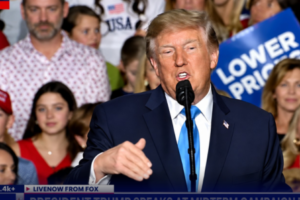

























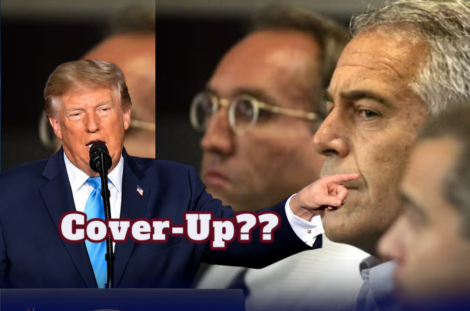
A wave of demonstrators has descended on Lafayette Square outside the White House, launching a massive anti-Trump protest in response to newly released Jeffrey Epstein emails. The protesters, united in outrage, are calling for the immediate resignation of President Donald Trump — now serving a second term — amid allegations of deeply troubling ties to Epstein and potential cover-ups rooted in elite privilege.
Protesters Mobilize on White House Grounds
Massive anti-Trump protest outside the White House began early in the morning, with hundreds of people gathering in the shadow of the presidential mansion. Demonstrators — including military veterans, civil rights activists, and concerned citizens — carried signs calling for transparency, justice, and accountability, chanting slogans demanding the full release of Epstein-related documents.
The demonstration swelled as word spread via social media, with local grassroots organizations coordinating logistics, sound systems, and speakers. While security forces maintained a visible but largely passive presence, the atmosphere remained charged but peaceful, as protesters voiced their grievances without descending into violence.
Protesters Demand the Resignation of the President
Protesters demand the resignation of the president, citing newly released emails in which Jeffrey Epstein allegedly wrote that Trump “knew about the girls,” and that one victim “spent hours at my house” with him. Their calls center on the argument that such revelations are incompatible with continued leadership, especially given the gravity of the accusations.
Many at the rally spoke directly about the moral and political dimensions of their demand. “If a regular citizen had evidence like this,” one protester said, “they’d be under investigation, not leading the country.” Others stressed the need for accountability not just for Epstein’s crimes, but for any enabling behavior by powerful figures.
New Epstein Emails Spark Political Firestorm
Massive anti-Trump protest outside the White House was triggered by the release of three Epstein emails from House Democrats, which allegedly implicate Trump in knowing of Epstein’s exploitation of underage girls. In one email, Epstein reportedly told Ghislaine Maxwell that Trump “has never once been mentioned … [a victim] spent hours at my house with him.”
In response, Trump has vehemently rejected the claims, calling the leak a politically motivated smear. Meanwhile, Republicans in Congress pushed back by publishing tens of thousands of pages from Epstein’s estate, accusing their Democratic counterparts of cherry-picking material to create a sensational narrative.
Internal GOP Pressure Mounts
Massive anti-Trump protest outside the White House also reflects growing unease within Trump’s own party. Some conservative Republicans, including Rep. Thomas Massie, have backed a discharge petition to force a House vote on making the full Epstein files public. This push toward transparency is being framed by dissenting voices in the GOP as a necessary corrective measure, even if it puts the President in a difficult position.
At the same time, the White House has pushed back, urging party members not to deflect from other priorities. Trump publicly instructed Republicans to focus on reopening the government, arguing that the Epstein revelations are a distraction. The tension underscores a fracturing within the conservative base, pitting MAGA loyalists against institutional Republicans calling for more openness.
Broader Implications and Public Sentiment
Massive anti-Trump protest outside the White House reflects a broader national reckoning over power, wealth, and accountability. For many protesters, Epstein represents more than a scandal — he embodies a system in which the rich and influential evade consequences, and in which political elites shield each other. The renewed spotlight on Epstein’s connections has reignited debates about privilege, the rule of law, and the responsibility of leaders to both victims and the public.
Observers note that this protest could mark a turning point: if public pressure continues to grow, it could force not only a vote in Congress but also a deeper investigation into how Epstein’s network intersected with powerful figures. The moment has galvanized activists across ideological lines and may well reshape political alliances in Washington.
Administration Response and Next Steps
Massive anti-Trump protest outside the White House has drawn a swift response from the Trump administration. White House spokespeople have denounced the leaked emails as part of a “political trap” orchestrated by Democrats. Meanwhile, key GOP leaders have weighed in: some defend the President, while others emphasize the need for full transparency and accountability.
Congress is now poised to act. The discharge petition forcing a vote on the Epstein files has reached the required number of signatures, making a floor vote highly likely in the coming days. The outcome of that vote could be a defining moment — not only for the Epstein controversy, but for the credibility of the presidency itself.
[…] […]