
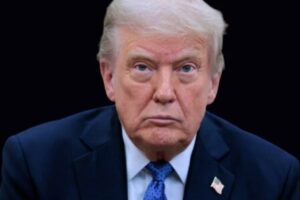


























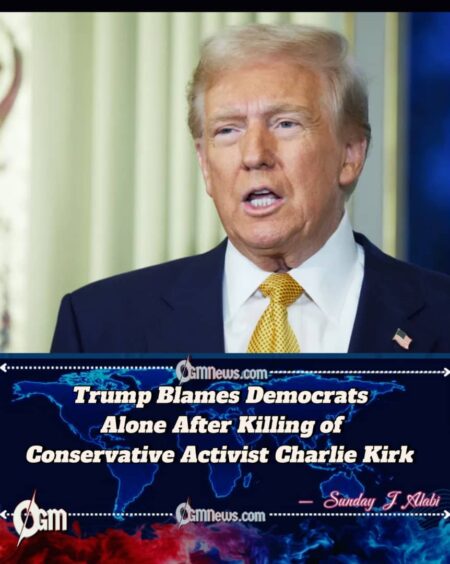
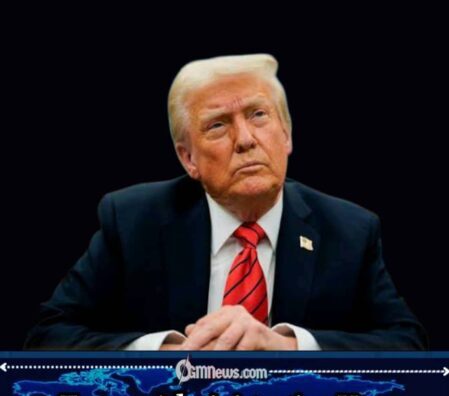
President Donald Trump, currently serving his second term, has vowed swift justice following the killing of conservative activist Charlie Kirk, while placing the blame for political violence squarely on Democrats and left-leaning groups. Kirk, 31, was a prominent figure in conservative politics as founder of Turning Point USA and had become a central voice in shaping right-wing discourse. His killing has shocked supporters and opponents alike.
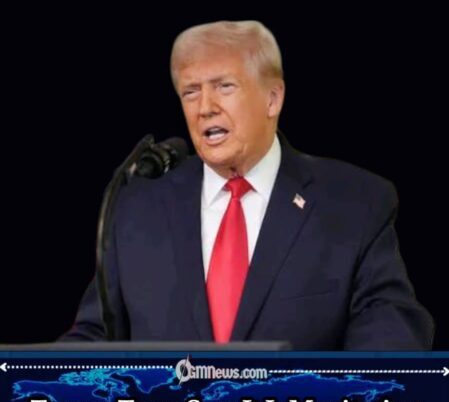
In remarks delivered shortly after the shooting, President Trump promised that federal and state authorities would pursue the suspect with “relentless determination.” But beyond the call for accountability, his comments quickly turned toward a wider condemnation of the “radical left,” whom he accused of inciting a culture of hostility toward conservatives. “We will bring justice not just to the killer but to those who support and fund this violence,” he said.
Critics argue that such statements risk inflaming political divisions at a moment of national mourning. The investigation into the killing remains ongoing, and authorities have not yet disclosed a definitive motive.
President Trump Divisive Rhetoric Amid Calls for Unity
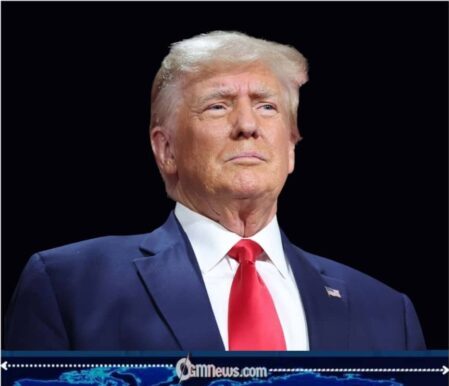
Political leaders across the spectrum expressed condolences to Kirk’s family, but President Trump’s framing of the tragedy has drawn scrutiny. By assigning blame before the suspect’s full background is made public, Trump has renewed debates about the role of political rhetoric in moments of crisis.
Democrats called for restraint. Senator Amy Klobuchar described the moment as one that “requires unity, not accusation.” Republican Senator Lisa Murkowski also expressed caution, urging leaders to “speak with measured words rather than sharpened divides.”
Yet Trump’s approach aligns with his broader political strategy in his second term, where he has sought to mobilize supporters by portraying left-wing activists and institutions as existential threats. The president has previously used episodes of political violence to push for stronger crackdowns on opponents, reinforcing his image as a combative leader who refuses compromise.
Broader Implications for Politics and Security
The killing of Kirk has intensified concerns about political violence in the United States. With campaign season underway, analysts suggest the president’s rhetoric could further polarize public opinion. “This is not just about justice for Charlie Kirk,” one political observer noted, “it’s about how leaders choose to frame violence when the country is already on edge.”
Law enforcement officials have urged patience as the investigation proceeds, warning against speculation that could undermine the case. While details about the suspect and potential motives remain limited, the political debate surrounding the killing has already taken on a life of its own.
For many, Kirk’s death underscores the vulnerability of public figures in a climate where politics and violence appear increasingly intertwined. Whether President Trump’s rhetoric strengthens his base or further alienates moderates may be a defining question in the weeks ahead.
[…] […]