
























U.S. Secretary of State Marco Rubio has stressed that a lasting peace in Ukraine will only be achieved if both Kyiv and Moscow are willing to make concessions. Speaking on CBS’s Face the Nation on Sunday, Rubio said Washington’s ultimate goal was to secure a peace agreement that guarantees Ukraine’s sovereignty while ensuring the conflict does not reignite.
“We want to wind up with a peace deal that ends this war so Ukraine can go on with the rest of their lives and rebuild their country and be assured that this is never going to happen again,” Rubio said. He emphasized that this outcome would require both sides “to give,” cautioning that demanding total victory from either party would amount to “surrender,” which he insisted is not on the table.
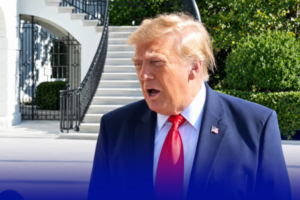
Rubio’s remarks came just days after President Donald Trump held a high-stakes, three-hour summit with Russian President Vladimir Putin in Alaska. While Trump described the talks as “extremely productive,” no ceasefire was reached.
Trump Prepares to Host Zelenskyy and European Leaders
President Trump is set to meet Ukrainian President Volodymyr Zelenskyy and a delegation of European leaders at the White House on Monday to build on discussions from the Alaska summit. Trump has said that while “many points” were agreed with Putin, “there’s no deal until there’s a deal.”
Rubio, who attended the Alaska meeting, hinted that the talks produced potential breakthroughs, though he declined to share specific details. He noted that concepts discussed with Putin will now be reviewed with Zelenskyy and Europe’s leaders to “narrow the gap between the two sides.”
“The goal is to make enough progress so that we can sit down President Zelenskyy and President Putin in the same place,” Rubio explained, underscoring that Zelenskyy has long requested a face-to-face negotiation with the Russian leader to settle the war once and for all.
Key Sticking Points: Security, Territory, and Reconstruction
Rubio outlined several areas where significant compromises will be required, including security guarantees for Ukraine, territorial disputes, and the country’s postwar reconstruction. According to him, the contours of these agreements need “more specificity,” and will require the U.S. and its allies to work in tandem with both Kyiv and Moscow.
He emphasized that the negotiation process remains fluid, warning against premature expectations of a settlement. “I’m not saying we’re on the verge of a peace deal, but I am saying that we saw movement,” Rubio said, adding that the modest progress in Alaska was sufficient to justify continuing the diplomatic track.
European leaders’ participation in Monday’s White House meeting has sparked speculation that they aim to prevent Zelenskyy from being pressured into a weak deal. Rubio pushed back, insisting the timing was deliberate and pre-planned: “They’re coming here tomorrow because they’re supposed to come here tomorrow. We invited them to come.”
Domestic Criticism: “A Historic Embarrassment”
Not all American lawmakers share Rubio’s optimism. Appearing on Face the Nation after him, Democratic Representative Jason Crow blasted the Alaska summit as a “historic embarrassment,” arguing that the pageantry of the meeting overshadowed the substance of confronting Putin.
Crow maintained that Russia’s president is only motivated by three forms of pressure: sanctions, diplomatic isolation, and the risk of military defeat. “Those are the three things that will end this conflict,” he asserted, dismissing Trump’s symbolic displays of U.S. military might in Alaska as irrelevant to Putin’s calculations.
He urged the administration to stay focused on strategies that would tighten economic and political constraints on Moscow rather than seeking middle-ground compromises that may embolden Russia in the long run.
The Road Ahead: Fragile Hopes for Peace Acknowledged by Rubio
As the war in Ukraine grinds into its fourth year, the U.S. is positioning itself as the key broker of a possible settlement. Rubio acknowledged that the road ahead remains uncertain but argued that the Alaska summit created the conditions for renewed negotiations.
“There was enough progress — not a lot, but enough — to move to the next phase,” Rubio said. That next phase will hinge on whether Zelenskyy and European allies are convinced that the U.S. proposals can deliver a secure and just peace for Ukraine.
For now, the Biden administration’s challenge lies in balancing international unity with the practical realities of compromise. Whether Kyiv and Moscow can agree on “where the lines are going to be drawn” — both figuratively and literally — may ultimately decide if the war finally ends or continues indefinitely.


Downloading the utbetapp was a breeze! The app itself is very intuitive and makes placing...