




















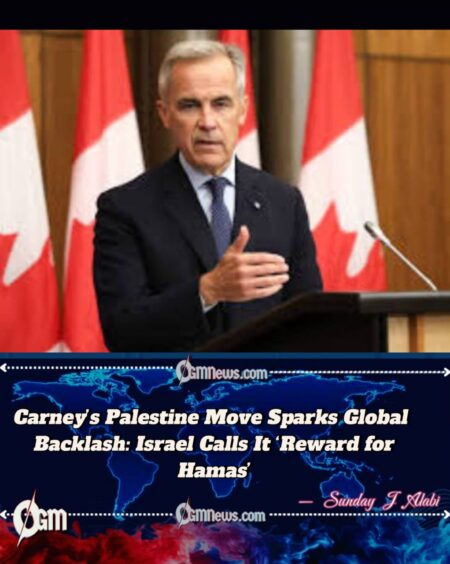
Canada has announced its intention to officially recognize Palestine as a sovereign state at the United Nations General Assembly in September, joining the United Kingdom and France in a coordinated diplomatic push for a two-state solution in the Middle East. The landmark decision by Prime Minister Mark Carney marks a major shift in Canadian foreign policy and has sparked both praise and fierce backlash globally.
Carney Declares Canada’s Intent at UN Assembly
Canadian Prime Minister Mark Carney confirmed Wednesday that his government will formally recognize Palestine as an independent state at the upcoming UN General Assembly. The decision, according to Carney, is rooted in the urgency of ending civilian suffering and restoring momentum toward a peaceful resolution to the Israeli-Palestinian conflict.
“The deepening suffering of civilians leaves no room for delay in co-ordinated international action to support peace, security, and the dignity of all human life,” Carney said in a statement released by his office. While Canada has long supported the idea of a two-state solution, this is the first time Ottawa has opted for unilateral recognition outside of a negotiated agreement between Israel and the Palestinians.
Carney said the longstanding prospect of a two-state solution had been “steadily and gravely eroded,” citing recent escalations in Gaza and mounting international frustration with Israel’s handling of the crisis. He emphasized that preserving peace means “standing with all people who choose peace over violence or terrorism.”
Conditions Attached to Palestinian Recognition
Canada’s recognition of Palestine will not be unconditional. Carney stressed that the move is predicated on key reforms within the Palestinian Authority, particularly governance changes, demilitarization, and the exclusion of Hamas from any future Palestinian government.
The Canadian government is calling for the Palestinian Authority, led by President Mahmoud Abbas, to hold general elections in 2026 in which Hamas will not participate. Furthermore, Carney reiterated demands that Hamas immediately release all hostages taken during the October 7, 2023, terrorist attacks on Israel and fully disarm.
“Hamas must play no role in the future governance of Palestine,” Carney declared. “Canada will always steadfastly support Israel’s existence as an independent state living in peace and security. A viable Palestinian state must go hand in hand with Israel’s right to peace and protection from terror.”
Fierce Backlash from Israel and the United States
Israel’s Foreign Ministry issued a scathing response to the Canadian announcement, calling it “a reward for Hamas” and accusing Ottawa of undermining efforts to secure a ceasefire and the release of remaining hostages.
“Israel rejects the statement by the Prime Minister of Canada,” the ministry posted on X. “The change in the position of the Canadian government at this time harms the efforts to achieve a ceasefire in Gaza and a framework for the release of the hostages.”
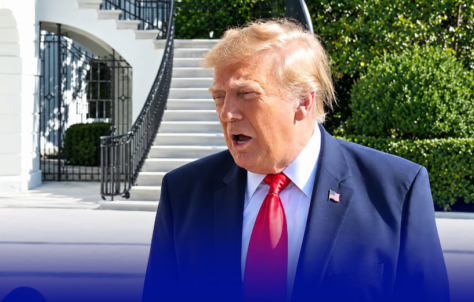
Former U.S. President Donald Trump also reacted strongly, posting on Truth Social: “Wow! Canada has just announced that it is backing statehood for Palestine. That will make it very hard for us to make a Trade Deal with them. Oh’ Canada!!!”
Meanwhile, the Hostages and Missing Families Forum—a group representing families of those kidnapped by Hamas—denounced the decision. They called it a “dangerous moral and political failure” that legitimizes terrorism. “Recognizing a Palestinian state while 50 hostages remain trapped in Hamas tunnels amounts to rewarding terrorism,” the group said.
Global Recognition Campaign Gathers Momentum
Canada’s decision follows similar moves by the United Kingdom and France. British Prime Minister Keir Starmer has said his country will proceed with recognition unless Israel undertakes “substantive steps” including a ceasefire in Gaza and halting the annexation of West Bank territories.
French President Emmanuel Macron has also pledged recognition, stating, “The urgent priority today is to end the war in Gaza and to bring relief to the civilian population.” Both nations have framed their decisions as necessary steps to revive peace talks, despite Israeli Prime Minister Benjamin Netanyahu’s fierce objections. Netanyahu accused Macron and Starmer of “rewarding terror” and ignoring the security risks to Israel.
Currently, over 140 countries around the world recognize Palestine as a state. However, the United States remains opposed, maintaining that recognition must only come through direct negotiations between Israel and the Palestinians.
Humanitarian Crisis Adds Pressure for Action
The Canadian announcement comes amid a worsening humanitarian crisis in Gaza. Since the October 7 Hamas attacks that killed approximately 1,200 people in Israel, including civilians, Israel’s military campaign in Gaza has reportedly claimed over 60,000 lives—many of them women and children, according to the Hamas-run Ministry of Health. While these figures are disputed and do not differentiate between combatants and civilians, they have intensified global calls for immediate humanitarian intervention.
Food insecurity experts have warned that Gaza is on the brink of famine, with the entire population facing severe hunger due to limited access to aid. Israel recently announced daily humanitarian pauses and began airlifting supplies into Gaza, but aid groups say these measures are insufficient.
“If the international community truly desires peace, it must join U.S. efforts by demanding first the release of all hostages, followed by an end to the fighting,” said the Hostages and Missing Families Forum. “Recognition of a Palestinian state before the hostages are returned will be remembered throughout history as validating terrorism.”
As September approaches, all eyes will be on the United Nations General Assembly, where Canada’s vote—alongside those of France and the U.K.—may signal a new chapter in the decades-long Israeli-Palestinian conflict. Whether this move will catalyze peace or deepen divisions remains to be seen.

https://webtoolsreview.substack.com/p/why-screenshots-arent-the-best-way