















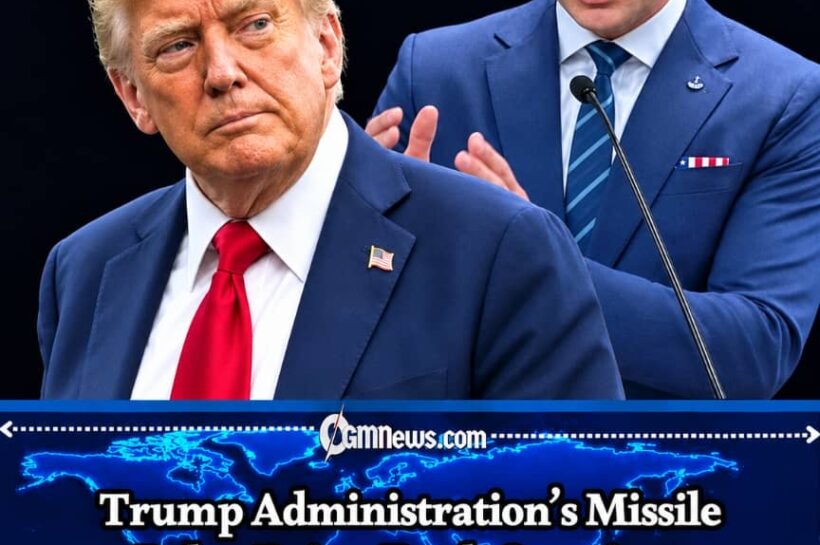





The White House has apparently discovered a new way to answer difficult questions: attack the journalist, attack the question, attack the questioner’s profession — and, for good measure, bring the journalist’s children into the argument. In Monday’s extraordinary confrontation, CNN senior White House correspondent Kristen Holmes became the target of a highly personal White House social-media assault after asking President Donald Trump to respond to Democratic Senator Jon Ossoff’s provocative comments about the president, his White House priorities and executive assistant Natalie Harp. The episode has since erupted into another battle over presidential temperament, press freedom and the increasingly creative definition of a “disrespectful question.”
THE QUESTION THAT APPARENTLY NEEDED A NATIONAL SECURITY CLEARANCE
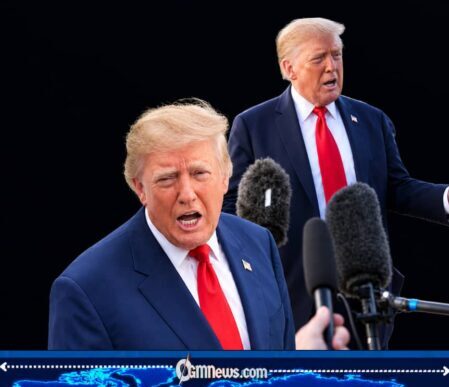
Holmes had asked Trump to respond to Ossoff’s criticism that the president appeared more interested in constructing a ballroom and travelling with Harp than performing the duties of the presidency. Trump did not answer the substance in the manner Holmes may have expected, instead dismissing Ossoff as a “Pee-wee Herman lookalike.” The White House’s Rapid Response account then joined the conversation, accusing Holmes of being a disgrace to journalism and portraying her question as an attack on a presidential staffer.
For the avoidance of doubt, public reporting has established that Ossoff made the comments about Harp, whose unusually visible proximity to Trump has generated political and media attention. But there is no established evidence in the reporting that proves the insinuations surrounding their relationship. Holmes’ question was therefore about a political remark made publicly by a senator — precisely the sort of comment a White House correspondent might reasonably ask the president to address. The satire, apparently, is that asking whether the president has an answer has somehow become more controversial than the original accusation.
WHEN THE WHITE HOUSE PRESS OFFICE ENTERED THE FAMILY CHAT
The confrontation became considerably more personal when the White House social-media account told Holmes that one day her children would encounter her question and supposedly be embarrassed by it. CNN responded by defending Holmes as a respected White House journalist and argued that officials could challenge journalism without personally attacking journalists. The network described her question as tough, relevant and newsworthy, saying personal attacks on reporters were “beneath the office” and inconsistent with the principles of a free press.
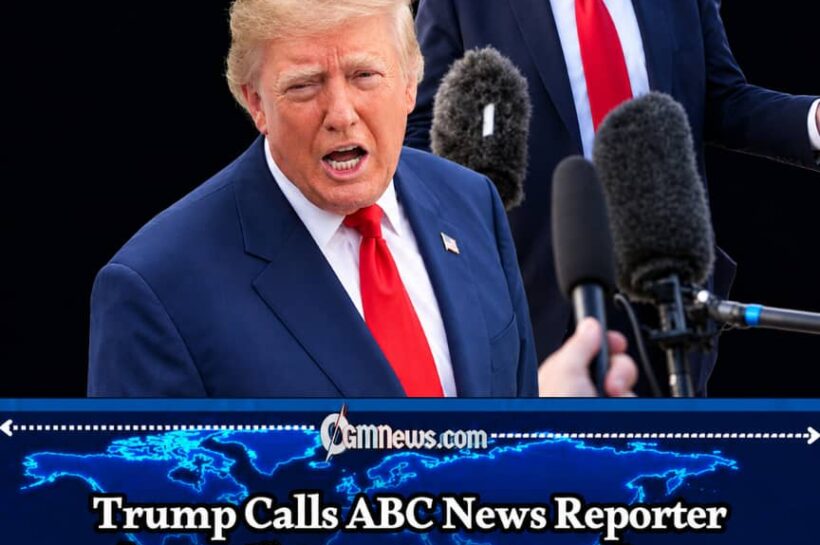
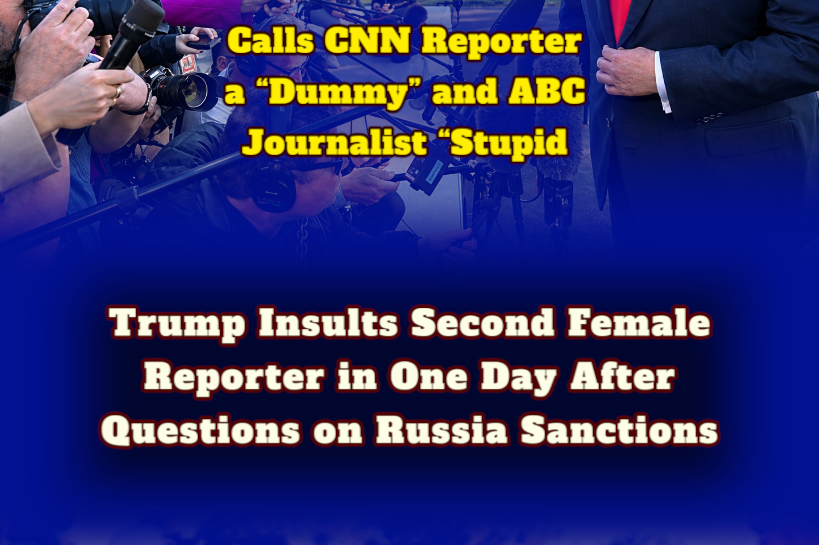
Trump himself later told Holmes to be quiet and called her “fake news” and a “fake reporter” while she attempted to ask another question. The incident fits a broader pattern of confrontational exchanges between Trump and journalists, particularly female reporters, although Monday’s decision to invoke a reporter’s children pushed the argument into especially personal territory. Meanwhile, White House officials also unleashed insults at Ossoff over his original remarks, ensuring that virtually nobody involved in the story escaped the administration’s rapidly expanding verbal battlefield.
The real significance of the episode extends beyond one reporter, one senator or one heated Oval Office exchange: it raises fresh questions about how far a government should go when challenging journalists and whether difficult questions should be answered with facts, rebuttals and counterarguments rather than personal humiliation. For now, OGM News understands that the White House-CNN confrontation is unlikely to disappear quietly, so readers should watch for further developments as the political and media storm surrounding Kristen Holmes, Donald Trump and the White House continues.

Logging in is a breeze and the site stability is amazing even during peak hours....