









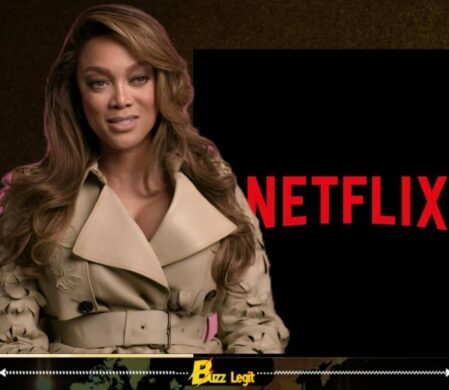
Tyra Banks and her defamation lawsuit are now at the center of one of the entertainment industry’s most closely watched legal battles, after the television personality sued Netflix over its documentary series Reality Check: Inside America’s Next Top Model. The lawsuit alleges that producers transformed a lengthy and candid interview into a misleading portrayal that damaged her reputation, raising broader questions about editing, documentary ethics, and the power of storytelling in the streaming era.
Editing Documentary By Tyra Banks
According to court filings, Tyra Banks claims she agreed to participate in the documentary because she believed audiences deserved an honest discussion about the complicated legacy of America’s Next Top Model. The lawsuit alleges that producers conducted a roughly three-and-a-half-hour interview but ultimately used only about 16 minutes of footage. Banks contends that key comments, including statements accepting accountability for some of the show’s controversies, were removed from the final version. Reports indicate she believes selective editing created a narrative that differed significantly from what she intended to communicate.
The defamation lawsuit further argues that viewers were led to believe they were watching a factual and balanced documentary presentation. Banks claims the final production omitted important context surrounding several controversies revisited in the series, including discussions involving former contestants and former colleagues. She is seeking damages and a jury trial, arguing that the documentary caused reputational harm and affected professional opportunities.
Legacy That Tyra Banks Wants To Documented
The dispute arrives months after Reality Check: Inside America’s Next Top Model reignited public debate about the long-running reality competition series. The documentary examined accusations involving body-shaming, controversial challenges, workplace culture concerns, and other moments that have been reassessed through a modern lens. Critics and former participants offered varying perspectives on whether the show was groundbreaking, harmful, or both.
Before the documentary’s release, Banks herself publicly acknowledged that some aspects of the show had “gone too far” and expressed regret over certain decisions associated with the franchise. The documentary nevertheless generated renewed scrutiny of her role as the public face of the series. Since news of the defamation lawsuit emerged, reactions have been sharply divided, with some observers sympathizing with concerns about editing practices while others argue that the documentary merely revisited events already visible to audiences over many years.
Whether Tyra Banks ultimately prevails in court remains uncertain, but the case has already revived an enduring debate about media responsibility. In an age when documentaries are marketed as definitive accounts of events, the defamation lawsuit may become a significant test of how far producers can shape a narrative before critics argue that storytelling has crossed into misrepresentation. Buzz Legit will continue monitoring developments as responses from all parties emerge and the legal process unfolds.
[…] […]