








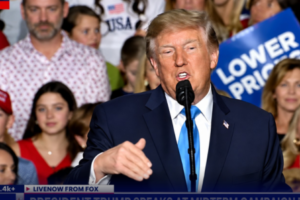



















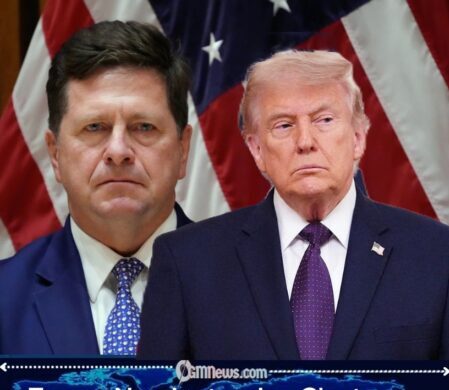
Spy Chief politics took center stage in Washington on Thursday after President Donald Trump announced his nomination of Jay Clayton to serve as director of national intelligence, a move that arrived amid escalating congressional resistance to the administration’s handling of the position. The decision comes as lawmakers battle over the future of a key surveillance authority and raises a pressing question: will Clayton’s nomination calm tensions or merely replace one controversy with another? The announcement immediately drew attention because Clayton, despite a distinguished legal career, lacks a traditional intelligence or national security background.
Trump Nominates Jay Clayton as Next U.S. Intelligence Chief Amid Capitol Hill Dispute
The Spy Chief nomination follows significant political turbulence surrounding Trump’s earlier decision to install Bill Pulte, the head of the Federal Housing Finance Agency, as acting director of national intelligence. That appointment triggered bipartisan criticism from lawmakers who questioned whether someone without intelligence experience should oversee the nation’s intelligence apparatus. The dispute intensified as Congress debated the future of Section 702 of the Foreign Intelligence Surveillance Act, a surveillance authority considered important by intelligence officials and scheduled to expire without legislative action.
Trump praised Clayton as one of the most respected figures in the legal profession and urged the Senate to confirm him quickly. Clayton currently serves as U.S. Attorney for the Southern District of New York and previously chaired the Securities and Exchange Commission. His prosecutorial record includes high-profile international cases, including charges brought against former Venezuelan leader Nicolás Maduro. Nevertheless, public records and official biographies indicate that Clayton’s professional experience has been concentrated in law and financial regulation rather than intelligence operations or national security management.
Intelligence Leadership Shake-Up Continues as Trump Selects Clayton
The Spy Chief controversy has become intertwined with a broader struggle over surveillance policy. On the same day Trump announced Clayton’s nomination, the House of Representatives rejected a short-term extension of Section 702, reflecting growing frustration among lawmakers over intelligence leadership uncertainty. Some legislators have argued that resolving the leadership dispute is necessary before meaningful progress can be made on surveillance legislation. Others continue to press for reforms designed to strengthen privacy protections while preserving national security capabilities.
The broader context reveals a recurring challenge in Washington: balancing political loyalty, managerial experience, and subject-matter expertise when filling critical national security positions. While supporters of Clayton point to his legal credentials and experience handling sensitive investigations, critics note that both the temporary and permanent selections under discussion have prompted questions about intelligence qualifications. The resulting debate has transformed what might have been a routine nomination into a high-profile test of congressional confidence in the administration’s national security leadership strategy.
For now, Clayton’s path forward depends on Senate confirmation and whether lawmakers view his nomination as a genuine effort to stabilize intelligence leadership. Washington’s latest Spy Chief saga demonstrates that in a city famous for secrets, the biggest mystery is sometimes who gets entrusted to manage them. OGM News will continue monitoring developments as Congress, the White House, and intelligence officials navigate the next phase of this rapidly evolving story. :::
Ae888covenuscasino, okay, I'm curious. Gonna check out this site and try to find some amazing...