











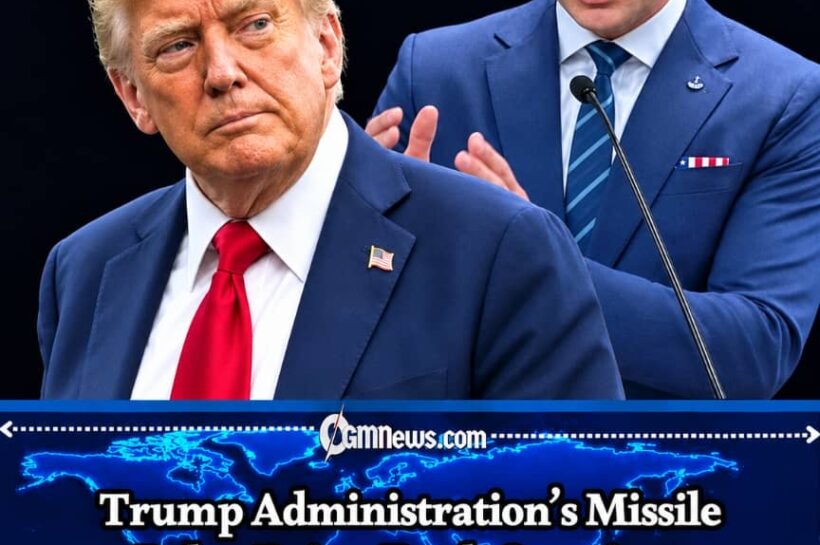





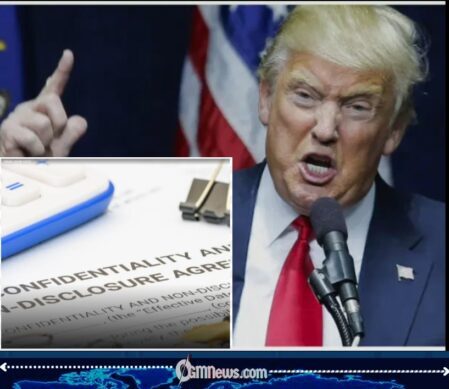
The NDA crackdown proposed by President Donald Trump’s administration has ignited a fierce debate across Washington, with critics warning that the federal government could soon become a workplace where silence is rewarded more than transparency. The White House insists the proposal is a necessary response to damaging leaks involving immigration operations, internal policy discussions, and sensitive foreign missions, including reports surrounding a U.S. raid in Venezuela. Yet opponents argue the plan could fundamentally reshape how federal employees communicate, report misconduct, or interact with journalists.
The controversy intensified after the Office of Personnel Management released a draft non-disclosure agreement intended for both current and future federal workers. According to the proposal, agencies may require employees to formally acknowledge restrictions on sharing confidential or “pre-decisional” information. Administration officials argue the measure simply reinforces existing obligations. However, legal experts and labor unions say the wording appears far broader than standard secrecy rules tied to classified information.
Trump’s Secrecy Push Raises Questions About Free Speech in Government
The Trump administration maintains that the NDA crackdown is rooted in national security concerns rather than political retaliation. Officials cited unauthorized disclosures linked to immigration enforcement and the Venezuela operation, arguing that leaks disrupted federal decision-making and endangered lives. The Office of Personnel Management stated that media disclosures risk “chilling candid interagency feedback” and weakening trust within agencies. The administration has also emphasized that the agreements would preserve legally protected whistleblower disclosures under federal law.
Despite those assurances, critics believe the proposal reflects a wider effort by the Trump administration to tighten control over the federal workforce and discourage internal dissent. Some labor unions have described the NDA crackdown as an attempt to create a culture of fear inside government agencies. Analysts also point to the unusually broad language covering “non-public” or “deliberative” information, warning that employees could hesitate to report questionable decisions even when disclosures may serve the public interest. Online reactions from federal workers ranged from concern to outright satire, with some joking that office gossip could soon qualify as classified intelligence.
New NDA Proposal Sparks Debate Over Government Transparency
The NDA crackdown also arrives during a period of escalating tension between President Trump’s administration and major media organizations. Since returning to office, the administration has repeatedly criticized leaks to journalists and pursued aggressive responses to unauthorized disclosures. Observers note that federal employees already face legal consequences for mishandling classified material, leading some experts to question whether the proposed NDAs are legally necessary or primarily symbolic. Several commentators argue the agreements may function less as enforceable contracts and more as psychological deterrents designed to discourage communication with reporters.
Legal scholars have also questioned how courts may interpret such agreements if challenged. Federal workers already operate under extensive confidentiality laws tied to national security, procurement, and personnel information. Expanding those rules into sweeping government-wide NDAs could trigger constitutional debates involving free speech, whistleblower protections, and public accountability. Critics warn that vague definitions of confidential information may create uncertainty inside agencies, especially for employees attempting to distinguish between legitimate secrecy and politically sensitive information. Supporters of the proposal counter that private companies routinely use NDAs and that government agencies should be equally capable of protecting internal deliberations.
For now, the NDA crackdown remains in its proposal stage and will undergo a public comment period before implementation decisions are finalized. Still, the political symbolism has already reshaped the conversation in Washington. To supporters, the initiative represents discipline and national security. To critics, it signals the possibility of a quieter federal government where fear of punishment may discourage transparency long before any courtroom challenge begins. OGM News will continue monitoring how the NDA crackdown evolves and whether the administration’s attempt to stop Federal Leaks ultimately strengthens trust or deepens suspicion inside America’s government institutions.

Logging in is a breeze and the site stability is amazing even during peak hours....